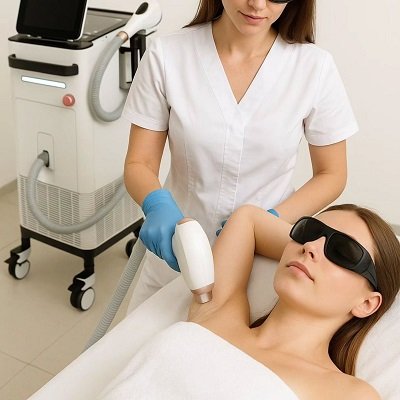
Laser hair removal has become a popular choice for people who want to reduce unwanted hair and spend less time shaving, waxing, threading, or using depilatory products. While the treatment can provide long-lasting hair reduction, maintaining those results requires more than simply completing a series of sessions.
Laser Hair Removal works by directing concentrated light energy toward the pigment in hair follicles. The energy creates heat that damages the follicle and reduces its ability to produce hair. Because hair follicles grow at different times, several treatment sessions are usually needed to target hairs during their active growth phase.
Even after a successful course of treatment, some hair may eventually return. Hormonal changes, genetics, age, and the natural behavior of individual hair follicles can all influence regrowth. Fortunately, several habits can help people maintain smoother skin and extend the benefits of laser hair removal.
Understand What Laser Hair Removal Can and Cannot Do
The first step toward maintaining long-lasting results is understanding what laser hair removal actually achieves.
Laser hair removal is generally considered a method of long-term hair reduction, rather than a guarantee that every treated hair will disappear permanently. Some follicles may stop producing visible hair for a long time, while others may eventually produce finer, lighter, or slower-growing hair.
This is one reason maintenance treatments may be recommended after the initial treatment course. These sessions can target hairs that become active again over time.
Results also differ between individuals. Someone with naturally dark, coarse hair may experience a different response from someone with fine or lightly pigmented hair. Skin tone, hair color, treatment area, hormones, and the laser technology used can all influence outcomes.
Having realistic expectations makes it easier to recognize normal regrowth and understand why occasional maintenance may be beneficial.
Follow the Recommended Treatment Schedule
One of the most important ways to improve long-term results is to follow the recommended treatment schedule.
Laser hair removal works most effectively when hairs are in the active growth phase. Since not all follicles enter this phase simultaneously, a single session cannot effectively target every hair follicle in an area.
Spacing appointments appropriately allows different groups of hair follicles to become active between sessions. Completing the recommended course therefore gives the treatment a better opportunity to target more follicles over time.
Skipping appointments or waiting too long between sessions can make the process less consistent. On the other hand, scheduling sessions too close together may not provide additional benefits because many of the targeted hairs may not yet be in the appropriate growth phase.
A qualified treatment professional can recommend a schedule based on the treatment area, hair growth pattern, skin type, and response to previous sessions.
Consistency is especially important during the initial course of laser hair removal. Once substantial hair reduction has been achieved, the focus may shift toward maintenance.
Protect the Skin From Excessive Sun Exposure
Sun protection is an important part of caring for skin before and after laser hair removal.
UV exposure can cause tanning and increase the amount of melanin in the skin. Because laser hair removal targets pigment, recently tanned skin may respond differently to treatment and may have a greater risk of irritation or pigmentation changes.
Regular sun protection can help the skin remain closer to its natural tone and support safer treatment sessions. Broad-spectrum sunscreen, protective clothing, hats, and seeking shade during periods of strong sunlight can all help reduce unnecessary UV exposure.
Tanning beds should also be avoided because they expose the skin to ultraviolet radiation.
People who spend substantial time outdoors should discuss their sun exposure with the treatment provider. A session may sometimes need to be postponed after significant tanning or sunburn.
Protecting the skin is not only useful for laser hair removal. It also supports overall skin health and reduces cumulative UV damage.
Avoid Waxing, Tweezing, and Plucking Between Sessions
After beginning laser hair removal, the method used to manage regrowth can affect the treatment process.
Waxing, tweezing, and plucking remove the hair from the follicle. Since the follicle is the structure laser hair removal is designed to target, removing the hair at its root can make it harder for the laser to identify and treat that follicle during the next session.
Shaving is often preferred between laser treatments because it cuts the hair at the skin’s surface while leaving the follicle intact.
Shaving does not make hair grow back thicker. It can temporarily make new growth feel rougher because the hair has been cut straight across, but shaving does not change the biological structure of the follicle.
People should follow the specific shaving instructions provided for their treatment area. Some providers recommend shaving shortly before an appointment, while others may recommend a different schedule depending on the laser system and treatment area.
Following those instructions consistently can help keep the treatment process on track.
Take Care of the Skin After Each Treatment
Healthy skin can recover more comfortably after laser hair removal. Immediately following treatment, some people experience temporary redness, warmth, mild swelling, or sensitivity around the follicles. These effects usually settle within a relatively short period, but the skin may need gentle care during recovery.
Harsh scrubs and aggressive exfoliation should generally be avoided immediately after treatment. Strongly fragranced products may also irritate sensitive skin.
A gentle cleanser and suitable moisturizer can help maintain the skin barrier. If the treated area feels warm or uncomfortable, a cool compress may provide soothing relief.
Sun exposure should be minimized after treatment, and sunscreen should be used on exposed areas as recommended by the treatment professional.
It is also important to avoid excessive heat or activities that may further irritate freshly treated skin when advised by the provider. Following aftercare instructions can reduce unnecessary irritation and help the skin return to normal more comfortably.
Avoid Picking or Scratching Treated Areas
After laser hair removal, treated hairs do not necessarily disappear immediately. Some hairs may remain visible for a period before naturally shedding from the follicle.
It can be tempting to pull, scratch, or pick at these hairs, particularly if the skin feels slightly rough. However, unnecessary manipulation can irritate the skin and increase the possibility of inflammation.
The treated area should generally be allowed to shed naturally. Gentle cleansing is usually sufficient.
People who notice persistent discomfort, significant swelling, blistering, severe pain, or unusual skin changes should contact their healthcare professional or treatment provider rather than attempting to manage the reaction by picking or applying unapproved products.
Knowing what normal post-treatment skin looks and feels like can help prevent unnecessary interference with the recovery process.
Schedule Maintenance Treatments When Needed
Maintenance treatments can play an important role in extending the benefits of laser hair removal.
After the initial series of sessions, many people experience a substantial reduction in unwanted hair. However, individual follicles can behave differently. Some may become active again due to natural hair-growth cycles, hormonal changes, aging, or other biological factors.
Maintenance sessions are designed to address this type of regrowth. The frequency can vary considerably. Some people may need occasional treatments, while others may require them more regularly depending on how their hair responds.
There is no need to wait until substantial hair growth returns before discussing maintenance. Monitoring the treated area can help identify when new growth is becoming noticeable.
A treatment professional can assess whether the returning hair is suitable for another laser session and determine an appropriate schedule.
Pay Attention to Hormonal Changes
Hormones can have a significant influence on hair growth, particularly in areas such as the face, chin, neck, and abdomen.
Changes associated with certain life stages, medications, or hormonal conditions may stimulate new hair growth even after successful laser hair removal. This does not necessarily mean that the original treatment was ineffective.
For example, an individual may complete a successful treatment course and later notice new facial hair developing as hormonal activity changes. In such cases, additional laser sessions may help manage the new growth, although results can vary.
People who experience sudden or unusually increased hair growth should consider discussing the change with a healthcare professional. New or rapidly changing hair growth can sometimes be associated with an underlying hormonal issue or medication effect.
Addressing the underlying cause, when appropriate, may make it easier to manage unwanted hair over the long term.
Maintain a Consistent Skin-Care Routine
Laser hair removal itself does not require an elaborate skincare routine, but consistent skin care can help keep treated areas comfortable and healthy.
Gentle cleansing, regular moisturizing, and sun protection are simple habits that can support the skin barrier. Individuals with sensitive skin may benefit from avoiding unnecessary fragrances and harsh exfoliating ingredients, particularly around treatment sessions.
Exfoliation may sometimes be recommended at an appropriate point after treatment to help with normal shedding, but aggressive scrubbing is not necessary. The treatment provider can offer guidance based on the specific laser system and the individual’s skin.
It is also useful to pay attention to changes in the skin. Persistent discoloration, unusual irritation, or other concerns should be assessed rather than ignored.
Healthy skin provides a better environment for ongoing treatment and can make the overall laser hair removal experience more comfortable.
Monitor Hair Regrowth Instead of Treating Every Hair Immediately
Not every small amount of regrowth means that another laser session is immediately necessary.
After successful laser hair removal, the hair that returns may be much finer and less noticeable. Trying to treat every isolated hair too frequently may not be useful.
Instead, individuals can monitor the treated area and look for broader patterns of regrowth. If noticeable hair begins returning across an area, it may be time to discuss a maintenance session.
This approach also helps distinguish normal isolated regrowth from a meaningful change in treatment results.
Patience is particularly important because hair follicles do not all behave on the same schedule. The appearance of a few hairs does not automatically mean that the entire treatment has stopped working.
What Can Shorten the Results of Laser Hair Removal?
Several factors can contribute to more noticeable regrowth.
Hormonal changes are one of the most important. Genetics can also influence how quickly and densely hair grows. Certain medications and health conditions may affect hair growth as well.
Repeated waxing or plucking between laser sessions can interfere with the treatment process by removing hair from the follicle. Significant sun exposure can also complicate treatment scheduling and skin recovery.
Another factor is inconsistent treatment. Stopping the initial course too early may leave many follicles untreated.
Finally, expectations can affect how results are perceived. Laser hair removal does not necessarily mean that a treated area will remain completely hair-free forever. Small amounts of fine regrowth can occur even after a successful treatment course.
Understanding these factors makes it easier to maintain realistic expectations and seek maintenance when appropriate.
Final Thoughts
Laser hair removal can provide long-lasting hair reduction, but maintaining those results requires a consistent approach. Following the recommended treatment schedule, protecting the skin from excessive UV exposure, avoiding waxing and plucking between sessions, caring gently for treated skin, and scheduling maintenance treatments when necessary can all help extend the benefits.
Hormonal changes, genetics, aging, and individual hair-growth patterns can influence long-term results. Because of this, some people may experience more regrowth than others even when they follow their treatment plan carefully.
The best approach is to view laser hair removal as an ongoing hair-reduction strategy rather than a one-time procedure. With realistic expectations and appropriate aftercare, many people can enjoy smoother skin and significantly less unwanted hair for an extended period.
1. How long do laser hair removal results last?
Results vary from person to person. Laser hair removal can provide long-term hair reduction, but some regrowth may occur over time. Maintenance treatments may help manage returning hair and extend the benefits.
2. Can shaving affect laser hair removal results?
Shaving generally does not interfere with the treatment because it removes hair at the skin’s surface while leaving the follicle intact. It is often preferred to waxing or plucking between laser sessions.
3. Should waxing be avoided during laser hair removal?
Waxing is generally avoided between laser treatments because it pulls the hair from the follicle. Laser hair removal needs the follicle and its pigment to be present as a target.
4. Does sun exposure make laser hair removal less effective?
Significant sun exposure can complicate treatment because tanning increases pigment in the skin. It can also increase the risk of unwanted skin reactions. Following sun-protection recommendations is therefore important before and after treatment.
5. Are maintenance laser hair removal sessions necessary?
Some people benefit from maintenance sessions, while others may need them only occasionally. The need and frequency depend on hair growth, hormones, genetics, treatment area, and individual response.
6. Why does hair sometimes grow back after laser hair removal?
Laser hair removal is designed to provide long-term hair reduction rather than guarantee permanent removal of every follicle. Hormonal changes, natural hair cycles, genetics, aging, and previously inactive follicles can contribute to later regrowth.