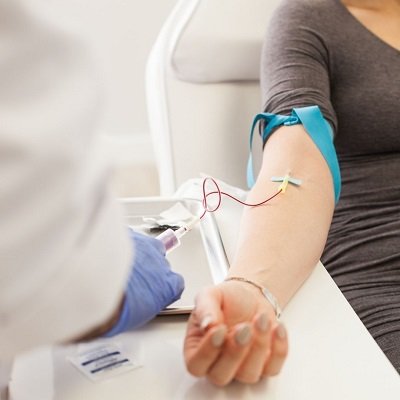
An IV Drip is a treatment that delivers fluids, vitamins, minerals, and other nutrients directly into a vein. Unlike supplements taken by mouth, an IV drip bypasses the digestive system and introduces its contents directly into the bloodstream. This approach has made vitamin IV therapy increasingly popular among people interested in hydration, nutritional support, wellness, and recovery.
But how exactly does an IV Drip work, and what can someone realistically expect from the treatment? Understanding the process, potential benefits, limitations, and safety considerations can help people make informed decisions about whether vitamin IV therapy is appropriate for them.
What Is an IV Drip for Vitamins?
A vitamin IV drip is a form of intravenous therapy designed to administer fluids and selected nutrients through a small catheter placed into a vein. The solution may contain ingredients such as certain vitamins, minerals, electrolytes, and fluids, depending on the individual’s needs and the treatment being provided.
The main difference between an IV drip and an oral vitamin supplement is the delivery method. When a person takes a vitamin tablet or drink, the digestive system processes it before nutrients enter the bloodstream. With intravenous administration, the substances in the solution are delivered directly into the circulation.
The exact ingredients of an IV drip can vary. Some formulations focus primarily on hydration, while others may contain combinations of vitamins and minerals. A qualified healthcare professional should determine whether a particular formulation is suitable, especially when the treatment involves high concentrations of certain nutrients.
It is also important to understand that IV vitamin therapy is not a replacement for a balanced diet, appropriate medical treatment, or treatment of an underlying health condition.
How Does an IV Drip Work?
The IV drip process is relatively straightforward. A healthcare professional first reviews the person’s health history and determines whether intravenous therapy is appropriate. Depending on the situation, the person may also be asked about medications, allergies, existing medical conditions, and nutritional concerns.
Once the appropriate IV solution has been selected, a small catheter is inserted into a vein, usually in the arm or hand. The catheter is connected to an IV bag or infusion system. The solution then enters the bloodstream gradually over a period of time.
Because the nutrients and fluids are delivered intravenously, they do not have to pass through the stomach and intestines first. This makes the method particularly useful when someone cannot take fluids or nutrients effectively by mouth.
During the infusion, the individual generally sits or reclines comfortably. A healthcare professional monitors the person and watches for potential reactions. The infusion time can vary depending on the type and volume of the solution.
After the treatment is completed, the catheter is removed and the person can usually return to normal activities unless the healthcare professional recommends otherwise.
What Vitamins and Nutrients Can Be Included?
There is no single standard formula for every vitamin IV drip. The ingredients depend on the purpose of the treatment and the person’s individual circumstances.
Commonly used nutrients may include certain B vitamins, vitamin C, magnesium, and other electrolytes. Some formulations may contain a combination of several nutrients, while others may focus on hydration with a smaller number of additional ingredients.
The presence of a vitamin in an IV solution does not automatically mean that more of it is better. Vitamins and minerals have specific roles in the body, and excessive amounts of some nutrients can cause unwanted effects or become harmful.
For this reason, an IV drip should be selected according to an individual’s needs rather than simply choosing the largest combination of vitamins available. A healthcare professional can help determine whether supplementation is necessary and whether intravenous delivery is appropriate.
Potential Benefits of Vitamin IV Drips
People consider IV drips for a variety of reasons, although the evidence supporting different uses varies. One of the clearest purposes of intravenous fluid therapy is hydration. Because fluids enter the bloodstream directly, IV therapy can be useful when rapid fluid replacement is medically appropriate.
Vitamin IV therapy is also commonly promoted for wellness, energy support, recovery, and nutritional supplementation. Some people seek it when they believe they have increased nutritional requirements or difficulty obtaining certain nutrients through their normal diet.
Potential benefits may include:
- Supporting hydration when intravenous fluids are appropriate
- Providing selected vitamins and minerals
- Supplying nutrients without relying on gastrointestinal absorption
- Supporting people who have difficulty taking nutrients orally
- Providing a convenient method of supplementation in appropriate circumstances
However, claims surrounding IV vitamin therapy can sometimes go beyond what scientific evidence supports. For example, an IV drip should not automatically be considered a treatment for chronic disease, a guaranteed immunity booster, or a substitute for healthy lifestyle habits.
The benefits are likely to be most meaningful when there is a genuine need for the nutrients or fluids being administered.
Who May Consider an IV Drip?
An IV drip may be considered by people who need intravenous hydration or have a specific nutritional requirement that makes this delivery method appropriate. It can also be used in medical settings when a person cannot adequately consume or absorb fluids or nutrients through the digestive system.
Some individuals may seek vitamin IV therapy as part of a general wellness routine. However, a person who is considering an IV drip simply because it is marketed as a quick way to improve health should first consider whether there is a specific reason for the treatment.
A healthcare professional may recommend a different approach if dietary changes, oral supplements, hydration, rest, or treatment of an underlying issue would be more appropriate.
Certain people may need additional caution. Those with kidney problems, heart conditions, electrolyte abnormalities, allergies, or other medical concerns should discuss IV therapy with a qualified healthcare professional before receiving treatment.
Are Vitamin IV Drips Safe?
When administered appropriately by trained healthcare professionals using sterile equipment and a suitable formulation, IV therapy can be performed safely. However, like any procedure involving a vein, it is not completely risk-free.
Possible side effects may include temporary discomfort or bruising where the catheter is inserted. Some people may experience irritation, swelling, dizziness, nausea, or other reactions during or after an infusion. More serious complications, although less common, can include infection, inflammation of the vein, fluid-related complications, or an adverse reaction to an ingredient.
The risks can also depend on what is included in the IV solution and how much is administered. Certain vitamins and minerals can cause problems when given in excessive amounts or to people with particular medical conditions.
For this reason, an IV drip should not be treated as a completely risk-free wellness procedure. Proper assessment, sterile technique, appropriate dosing, and professional monitoring are important parts of safe treatment.
What Should Someone Expect During and After an IV Drip?
Before an infusion, the healthcare professional generally reviews the person’s health information and explains the treatment. The individual may be asked to sit or recline while the IV catheter is placed.
During the infusion, the solution enters the vein gradually. Some people notice a cool sensation in the arm or mild discomfort around the insertion site. The healthcare professional can monitor the person throughout the process.
After the infusion, the catheter is removed and the insertion area may be covered with a small dressing. Many people can resume their usual activities afterward, although recommendations may vary depending on the person’s health and the type of IV therapy received.
Adequate hydration, a nutritious diet, regular sleep, and appropriate physical activity remain important after treatment. An IV drip should generally be viewed as one possible component of care rather than a replacement for healthy daily habits.
How to Choose an IV Drip Responsibly
Anyone considering an IV drip should focus on the reason for treatment rather than choosing a formula based solely on marketing claims. A qualified healthcare professional can help identify whether there is a genuine need for intravenous fluids or nutrients.
It is also helpful to ask what ingredients are included, why each ingredient is being recommended, how the treatment will be administered, and what potential side effects may occur.
People should be particularly cautious about treatments that promise to cure multiple unrelated conditions, produce dramatic health changes immediately, or replace conventional medical care.
A responsible approach involves individualized assessment, transparent information about ingredients, appropriate dosing, sterile administration, and realistic expectations.
Frequently Asked Questions
1. What is an IV Drip used for?
An IV drip can be used to deliver fluids, vitamins, minerals, and electrolytes directly into the bloodstream. Its most established medical use is providing fluids or medications when intravenous administration is appropriate. Vitamin IV therapy may also be used in selected situations where nutritional supplementation is needed.
2. How long does an IV Drip take?
The duration can vary depending on the volume and ingredients of the IV solution, as well as the individual’s circumstances. Some infusions may be relatively quick, while others can take longer. The healthcare professional administering the treatment can provide a more accurate estimate.
3. Does an IV Drip provide vitamins faster than oral supplements?
An IV drip delivers its contents directly into the bloodstream, so it bypasses digestion and does not depend on gastrointestinal absorption in the same way oral supplements do. However, faster delivery does not necessarily mean greater health benefits for someone who already receives adequate nutrients through food or oral supplementation.
4. Can everyone receive a vitamin IV drip?
No. IV therapy may not be appropriate for everyone. People with certain medical conditions, allergies, kidney or heart problems, or electrolyte concerns may require special assessment before receiving an infusion. A qualified healthcare professional should determine whether the treatment is suitable.
5. Are there side effects from an IV Drip?
Possible side effects can include bruising, soreness, irritation, swelling at the insertion site, dizziness, nausea, or reactions to ingredients in the solution. More serious complications are possible but less common. Proper screening and professional administration can help reduce risks.
6. Is an IV Drip a replacement for a healthy diet?
No. An IV drip should not replace a balanced diet, adequate hydration, regular sleep, physical activity, or appropriate medical care. For most healthy individuals, obtaining nutrients through a varied diet remains an important foundation for overall health.
Final Thoughts
An IV Drip provides a direct way to administer fluids and selected nutrients into the bloodstream. While intravenous therapy has important medical applications, vitamin IV therapy should be approached with realistic expectations. It may be useful when there is an appropriate nutritional or hydration need, but it is not a universal solution for fatigue, poor nutrition, or general health concerns.
Anyone considering vitamin IV therapy can benefit from discussing the treatment with a qualified healthcare professional. Understanding the ingredients, potential benefits, possible risks, and individual suitability can help ensure that the decision is based on health needs rather than exaggerated promises.
Read More About IV Drip: https://ezeearticle.com/can-an-iv-drip-replace-drinking-water/