Intravenous (IV) therapy has become a familiar treatment option in many healthcare settings. It is used to deliver fluids, medications, electrolytes, vitamins, and other prescribed substances directly into a vein. Because IV therapy enters the bloodstream directly, the equipment used during the procedure plays an important role in patient safety, comfort, and treatment effectiveness.
For anyone considering the Best IV Drip in Muscat, understanding the equipment can make the experience feel less unfamiliar. Knowing what each component does, how it is handled, and what safety measures should be followed can also help patients ask informed questions before treatment.
IV drips should always be administered by appropriately trained healthcare professionals. The choice of IV solution, dosage, equipment, and treatment duration depends on the individual’s medical needs rather than simply on the popularity of a particular infusion.
What Is IV Drip Equipment?
IV drip equipment refers to the collection of sterile medical components used to administer a solution into a patient’s bloodstream through a vein. Although the setup may look simple, every component has a specific purpose.
A typical IV setup may include a sterile IV bag or bottle containing the prescribed solution, IV tubing, a catheter or cannula, a flow-control mechanism, connectors, and sometimes an infusion pump. Additional equipment may be used depending on the type of treatment.
The IV catheter is placed into a suitable vein, commonly in the hand or lower arm. Once the catheter is correctly positioned, the tubing connects it to the IV solution. The healthcare professional then regulates the flow so that the prescribed amount is delivered at an appropriate rate.
Some treatments can be administered through gravity-based systems, while others require an electronic infusion pump. The equipment selected depends on factors such as the type of solution, required infusion rate, treatment setting, and patient’s condition.
Key Components Used During an IV Infusion
Understanding the main components can help patients recognize what they see during an IV session.
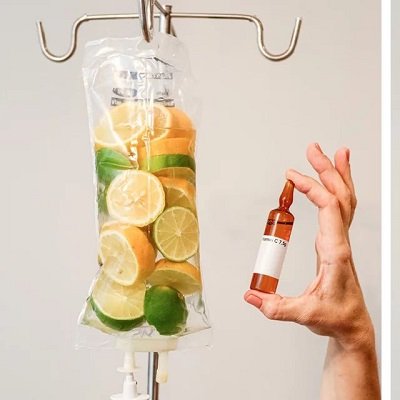
IV solution bag: The bag contains the fluid or medication prescribed for the treatment. Depending on the medical purpose, it may contain saline, glucose-containing fluid, electrolytes, medication, or another clinically appropriate solution.
IV tubing: The tubing creates a pathway between the solution container and the IV catheter. It is designed for sterile, controlled delivery and normally includes a chamber that allows the healthcare professional to observe fluid movement.
IV catheter or cannula: This small, flexible tube is inserted into a vein. A needle may assist with the initial placement, but the flexible catheter remains in the vein while the needle is removed.
Flow-control device: IV systems need controlled delivery. Depending on the setup, flow may be adjusted manually or regulated using an infusion pump.
Infusion pump: An electronic pump can deliver fluids at a precisely controlled rate. Pumps can be particularly useful when a treatment requires an exact infusion speed or when the healthcare team needs close control over fluid administration.
Connectors and access ports: These components allow healthcare professionals to connect the IV line safely and, where appropriate, administer additional prescribed medication.
All components that come into contact with the bloodstream or sterile fluid pathway must be handled according to appropriate infection-control procedures.
How Healthcare Professionals Maintain IV Safety
Safety is one of the most important considerations when selecting or receiving IV therapy. Since the treatment provides direct access to the bloodstream, proper technique matters.
Healthcare professionals typically begin by confirming the patient’s identity, treatment plan, allergies, and relevant medical information. The appropriate IV solution and equipment should be checked before administration.
Hand hygiene and aseptic technique are essential. The insertion area is cleaned appropriately, and sterile equipment is used to reduce the possibility of contamination. The catheter should be inserted carefully and secured so that unnecessary movement is minimized.
During the infusion, the healthcare professional may monitor the IV site and the patient’s overall condition. Depending on the treatment, monitoring may include checking for discomfort, swelling, redness, leakage, changes in vital signs, or other unexpected symptoms.
Patients should communicate promptly if they experience significant pain, burning, swelling, dizziness, difficulty breathing, or another unusual symptom during an infusion. Early communication allows the healthcare team to assess the situation and take appropriate action.
For people searching for the Best IV Drip in Muscat, equipment quality is only one part of the decision. Professional assessment, sterile technique, appropriate patient screening, qualified administration, and proper monitoring are equally important.
What Patients Should Expect During an IV Drip
An IV session generally begins with a healthcare professional assessing the patient and determining whether IV therapy is appropriate. The patient may be asked about current medications, allergies, medical conditions, previous reactions to IV treatment, and the reason for seeking therapy.
After the appropriate vein is selected, the skin is cleaned and the IV catheter is inserted. Some patients experience a brief pinch during insertion. Once the catheter is secured, the IV tubing is connected and the prescribed infusion begins.
The treatment duration varies. Some infusions may be relatively short, while others require longer administration. The time depends on the solution, dosage, infusion rate, and clinical circumstances.
During treatment, the patient can usually sit comfortably while the healthcare professional monitors the infusion. It is generally best to avoid unnecessary movement of the arm containing the IV.
The IV site may feel slightly uncomfortable initially, but significant or increasing pain should not be ignored. Swelling, redness, leakage, or a burning sensation may indicate that the healthcare professional should examine the site.
After treatment, the catheter is removed and the insertion area is covered. Patients may receive aftercare instructions based on the treatment they received.
When IV Therapy May Be Appropriate
IV therapy has legitimate medical uses, but it is not automatically necessary for every person. It can be useful when fluids, medications, or other prescribed substances need to be delivered intravenously.
For example, IV fluids may be used in certain situations involving dehydration or fluid loss. IV medications may be appropriate when a medicine needs to reach the bloodstream quickly or when oral administration is unsuitable. Some patients may also require intravenous nutritional support or other specialized treatments under medical supervision.
The appropriate treatment depends on the patient’s health status and clinical needs. A person should not assume that an IV infusion is beneficial simply because it is marketed as a general wellness treatment.
A healthcare professional can determine whether IV therapy is appropriate and whether another form of treatment would be more suitable.
How to Choose the Best IV Drip in Muscat
Patients comparing IV treatment options in Muscat should look beyond equipment appearance or promotional claims. A reliable service should prioritize patient assessment, appropriate treatment selection, sterile procedures, qualified staff, and emergency preparedness.
Before receiving an IV drip, patients may consider asking:
- Is the treatment medically appropriate for the patient’s specific situation?
- Who will assess and administer the IV?
- Is sterile, single-use equipment used where required?
- How is the IV solution selected and prepared?
- What monitoring is provided during the infusion?
- What should the patient do if symptoms occur during or after treatment?
It is also useful to provide a complete medication and medical history. Certain medical conditions, medications, allergies, and fluid restrictions can affect whether an infusion is suitable.
The term Best IV Drip in Muscat should therefore be approached from a patient-safety perspective. The best option is not necessarily the one offering the largest selection of ingredients or the fastest session. Instead, it should be a service where treatment is based on appropriate clinical evaluation and administered using safe procedures.
Potential Risks and Side Effects of IV Therapy
Although IV therapy is commonly performed, it is still an invasive medical procedure and is not completely risk-free.
Minor effects can include temporary discomfort or bruising around the insertion site. Some patients may experience irritation or inflammation around the vein. Infiltration, which occurs when fluid enters the surrounding tissue rather than remaining within the vein, can cause swelling or discomfort.
There can also be a risk of infection if proper infection-control practices are not followed. More serious complications are uncommon but can occur depending on the treatment, the patient’s health, and the substances being administered.
Some infused medications or substances can cause allergic or other systemic reactions. This is one reason appropriate screening and monitoring are important.
Patients should seek immediate medical attention for severe symptoms such as difficulty breathing, significant swelling, fainting, chest discomfort, or symptoms suggesting a serious allergic reaction.
Questions Patients Should Ask Before Treatment
A short conversation with the healthcare professional can help patients make a more informed decision.
Patients can ask what the infusion contains, why each component is being administered, how long the session is expected to take, and whether there are alternatives. They can also ask about possible side effects and what warning signs should be reported.
It is reasonable to ask how equipment is sterilized or whether single-use components are used. Patients can also confirm that the healthcare professional has reviewed their medical history and current medications.
Those considering IV therapy for wellness purposes should be particularly cautious about claims promising dramatic or guaranteed health improvements. IV therapy should not be presented as a substitute for appropriate diagnosis, balanced nutrition, adequate hydration, or evidence-based medical care.
Frequently Asked Questions
1. What equipment is commonly used for an IV drip?
A standard IV setup can include an IV solution container, sterile tubing, a flexible IV catheter, connectors, flow-control equipment, and, when needed, an electronic infusion pump. The exact equipment depends on the treatment and the patient’s clinical requirements.
2. Is IV drip treatment painful?
Patients may feel a brief pinch when the IV catheter is inserted. Mild tenderness or bruising can occur afterward. Significant pain, swelling, burning, or increasing discomfort during an infusion should be reported to the healthcare professional.
3. How long does an IV drip session take?
There is no single standard duration. The length of an infusion depends on the solution being administered, prescribed dose, infusion rate, and the patient’s individual needs.
4. Is IV therapy safe for everyone?
IV therapy is not appropriate for everyone. Certain medical conditions, medications, allergies, fluid restrictions, and other factors may affect suitability. A healthcare professional should assess the patient before treatment.
5. What should a patient do if the IV site becomes swollen?
The patient should immediately inform the healthcare professional. Swelling can occur when fluid is not properly entering the vein, and the IV site should be assessed rather than ignored.
6. How can patients find the Best IV Drip in Muscat?
Patients should compare services based on qualified healthcare staff, appropriate medical assessment, sterile equipment and procedures, transparent information about the treatment, monitoring during the infusion, and clear aftercare guidance. Safety and suitability should be more important than marketing claims.
IV drip equipment may appear straightforward, but each component contributes to the safe delivery of treatment. For patients considering IV therapy in Muscat, understanding the equipment and the procedure can make the experience more comfortable and informed. Most importantly, IV treatment should be selected according to individual health needs and administered by appropriately trained healthcare professionals using proper infection-control and monitoring practices.
Read More About IV Drip: https://autopedia.co.uk/events/oman/muscat/muscat-1/iv-drip-therapy-a-patients-guide-to-the-full-experience/