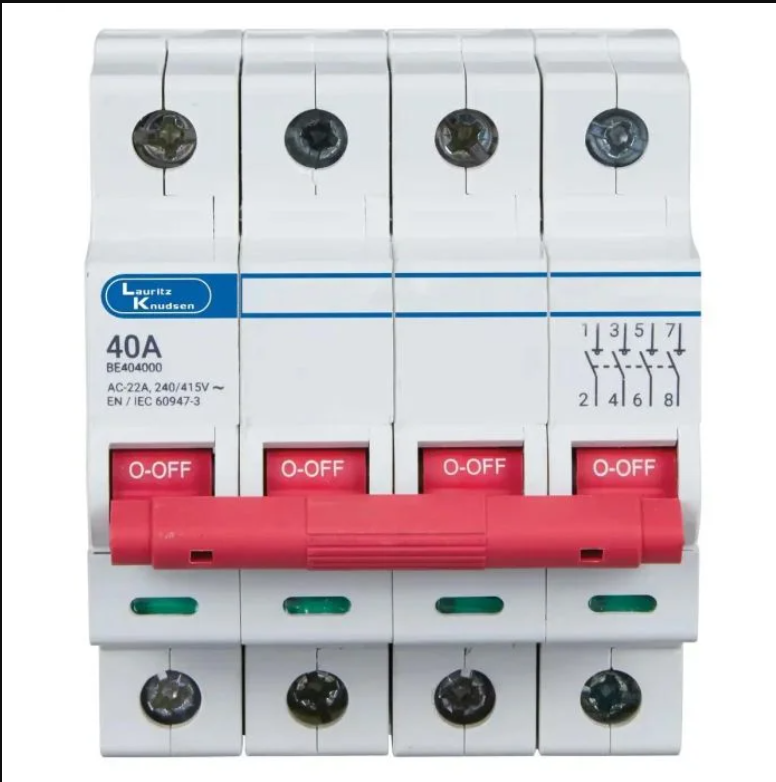
Electrical systems need proper methods for controlling and disconnecting power during maintenance, repairs, and routine operations. An isolator is a device used to disconnect an electrical circuit from its supply, helping provide a clear separation when work needs to be carried out. Different installations require different ratings depending on their electrical loads and applications. A 40 amp isolator is designed for circuits where a suitable 40-amp rating is required. Understanding these devices and their practical uses can help in planning organized electrical systems for homes, buildings, commercial spaces, and industrial applications.
What Is an Isolator?
An isolator is an electrical switching device used to disconnect a circuit or equipment from its power source. Its main purpose is to provide a means of electrical isolation, particularly when maintenance or servicing is required.
Unlike protective devices that automatically respond to faults, an isolator is primarily intended for deliberate disconnection. It can help ensure that a section of an electrical installation is separated from the supply before work begins.
Some important considerations when selecting one include:
- Rated current
- Operating voltage
- Number of poles
- Installation environment
- Type of electrical load
- Required isolation arrangement
The correct device should always be selected according to the electrical system and applicable requirements.
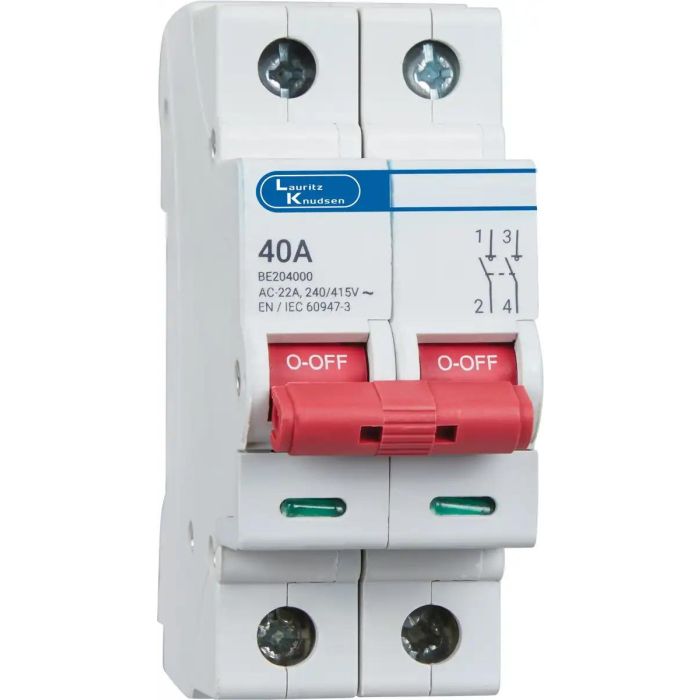
Use Cases of an Isolator
An isolator can have several practical uses across residential, commercial, and industrial environments.
1. Isolating Individual Appliances
Certain electrical appliances may need a dedicated means of disconnection. An isolator can be installed so that the supply to a particular appliance can be switched off when servicing or maintenance is required.
This can be useful for equipment such as:
- Air-conditioning units
- Water heaters
- Pumps
- Ventilation equipment
- Other permanently connected appliances
Having a dedicated isolation point means the relevant equipment can be disconnected without switching off the complete electrical installation.
2. Maintenance and Repair Work
One of the most important applications is during electrical maintenance. Before working on a circuit or piece of equipment, the supply needs to be disconnected using an appropriate isolation method.
An isolating device can make this process more organized by providing a specific point where the equipment can be separated from its electrical supply.
However, simply switching a device off should not be considered sufficient for every maintenance situation. Proper isolation procedures, verification of dead circuits, and applicable safety practices are essential.
3. Residential Electrical Installations
Homes can also benefit from dedicated isolation points for certain higher-load appliances. Instead of disconnecting the entire home supply, a suitable circuit can be isolated independently.
This can make maintenance more convenient and help electricians work on a particular appliance or circuit without unnecessarily affecting other parts of the house.
Understanding a 40 Amp Isolator
A 40 amp isolator is designed for electrical circuits where a 40-amp rated isolation device is appropriate. The rating indicates the current capacity for which the device is designed under its specified operating conditions.
It does not mean that every circuit should automatically use a 40-amp device. The rating needs to match the electrical system, cable capacity, connected load, and installation requirements.
This is an important point because selecting a device solely based on the number printed on it can result in an unsuitable installation.
Use Cases of a 40 Amp Isolator
1. Higher-Load Household Appliances
Some household appliances can have relatively high electrical loads. Where the circuit design calls for a 40-amp isolation device, a 40 amp isolator may provide a convenient means of disconnecting the appliance from its supply.
Potential applications can include suitable:
- Heating equipment
- Water-heating systems
- Cooking equipment
- Air-conditioning systems
- Other higher-load appliances
The actual rating should always be confirmed from the equipment and electrical installation requirements.
2. Commercial Electrical Circuits
Commercial spaces often contain equipment that draws more power than typical household devices. In suitable applications, a 40 amp isolator can be used to provide local disconnection for individual circuits or equipment.
For example, dedicated equipment may require its own isolation point so maintenance staff or electricians can disconnect it without affecting unrelated circuits.
3. Small Industrial Applications
Certain small industrial machines and equipment can also require dedicated isolation. Where the electrical characteristics match the required rating, a 40 amp isolator can be part of the installation.
The device can help create a clear point for disconnecting equipment during servicing or planned maintenance.
Isolator vs Circuit Protection
It is important to understand that an isolator does not replace every type of protective device.
A protection device is intended to respond to conditions such as:
- Overload
- Short circuit
- Excessive current
- Certain electrical faults
An isolator, in comparison, is mainly intended to provide deliberate disconnection.
In many electrical systems, isolation and protection are provided by different devices working together. The exact arrangement depends on the system design and applicable electrical standards.
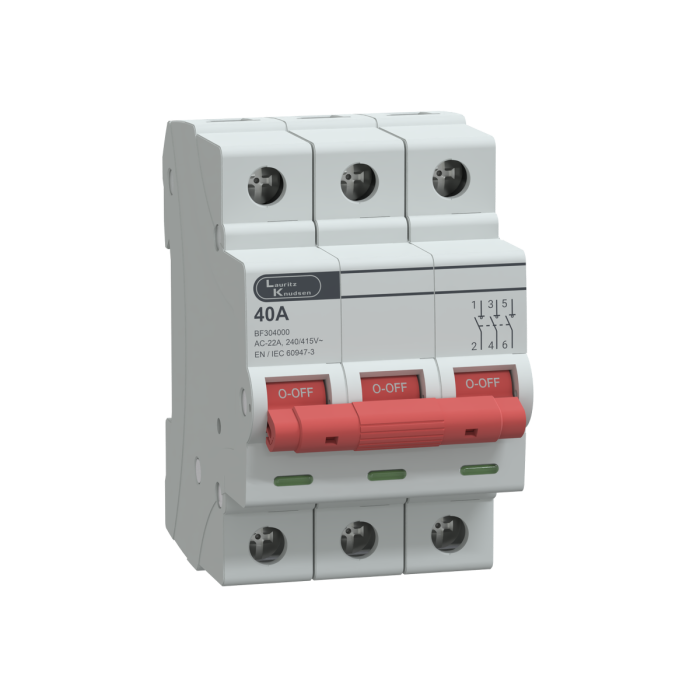
Factors to Consider Before Choosing
Choosing the right isolation device requires more than checking its current rating. Several factors should be considered.
1. Current Requirement
Determine the expected operating current of the circuit and select equipment that is appropriate for that application.
2. Voltage
The device should be rated for the voltage used by the electrical installation.
3. Number of Poles
Depending on the system, a single-pole, double-pole, or multi-pole arrangement may be required.
4. Installation Location
Indoor and outdoor installations can have different environmental requirements. Moisture, dust, temperature, and physical exposure should be considered.
5. Type of Load
Different loads can have different electrical characteristics. Motors, heating equipment, and electronic systems may place different demands on switching equipment.
Practical Benefits of Proper Isolation
Correctly planned isolation can make electrical installations easier to operate and maintain.
Some practical benefits include:
- Simpler maintenance: Equipment can be disconnected at a suitable point.
- Better organization: Individual circuits can have dedicated isolation arrangements.
- Reduced disruption: Maintenance on one circuit may not require shutting down everything.
- Improved control: Operators can deliberately disconnect equipment when required.
- Easier servicing: Clearly identified isolation points can support maintenance procedures.
These benefits become particularly useful in installations where several electrical systems operate simultaneously.
Common Installation Considerations
The location of an isolation device matters. It should generally be positioned where it can be accessed appropriately for the equipment or circuit it controls.
Clear identification can also be helpful, especially in commercial and industrial environments where multiple circuits may be present.
Before installation, professionals may consider:
- Circuit layout
- Equipment location
- Cable size
- Load characteristics
- Protection coordination
- Accessibility
- Environmental conditions
- Applicable electrical standards
Electrical installation work should be performed by qualified personnel to ensure the equipment is correctly selected, connected, and tested.
Conclusion
An isolator has an important role in electrical installations by providing a deliberate means of disconnecting circuits and equipment for maintenance, servicing, or operational requirements. A 40 amp isolator can be useful in suitable higher-load applications when its rating matches the circuit and equipment requirements. From homes and commercial buildings to selected industrial applications, proper isolation can support easier maintenance and better electrical organization. Lauritz Knudsen Smartshop offers electrical and automation solutions for diverse applications, supporting requirements across homes, buildings, infrastructure, agriculture, and industry.