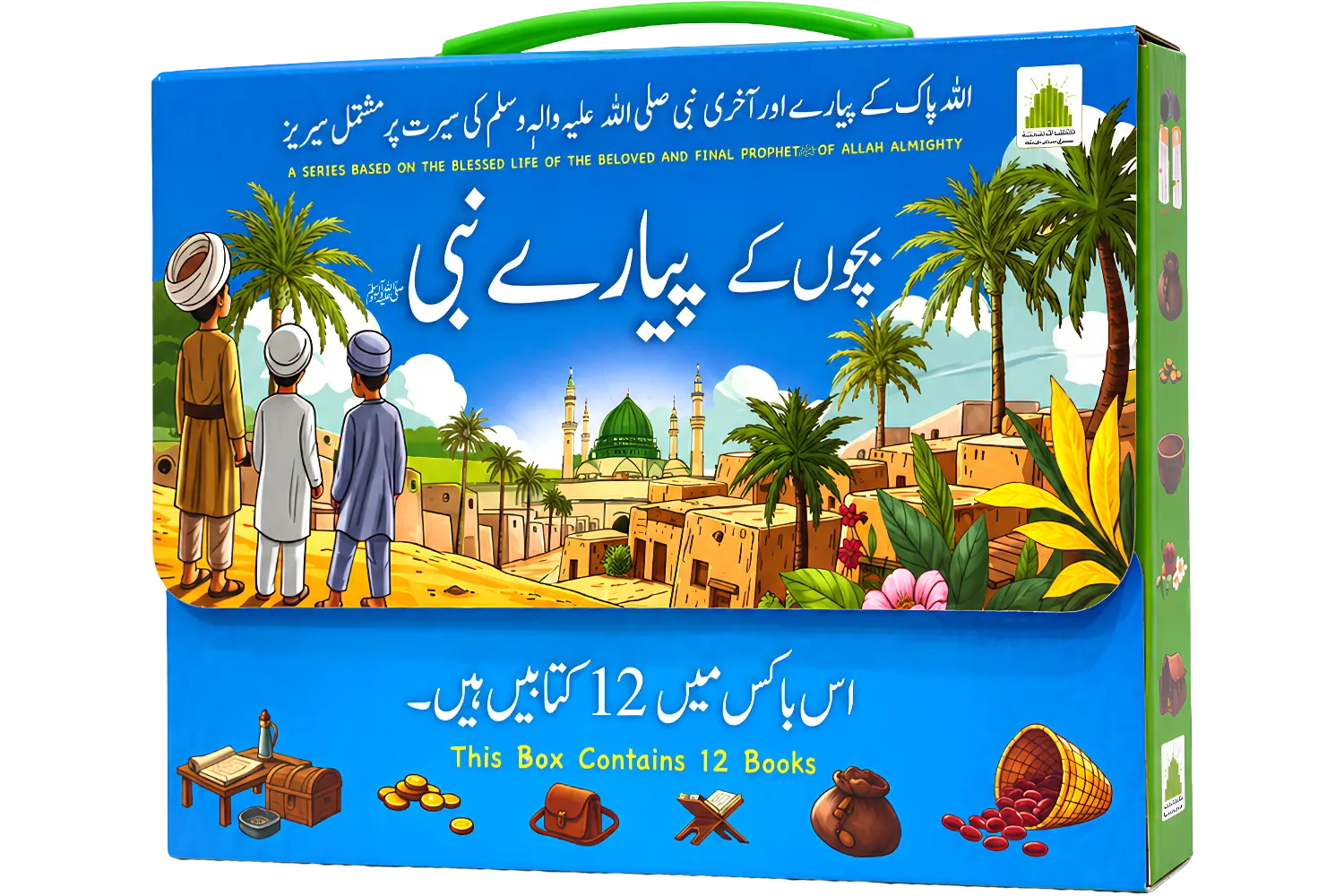
A book can shape the way a person thinks, prays, and lives. When that book teaches the Quran, Islamic beliefs, or the life of the Prophet Muhammad ﷺ, the responsibility on the publisher becomes much greater. A small mistake in a novel is an inconvenience. A small mistake in a religious text can mislead thousands of readers.
Today, Muslims have more access to religious content than ever before, through apps, social media, and PDFs shared on WhatsApp. Yet much of this material has no clear source, no scholarly review, and no accountability. That is exactly why authentic Islamic book publishing still matters, and why readers should understand how a trustworthy Islamic book is actually made.
Why Islamic Publishing Is Different From Ordinary Publishing
Islam places knowledge at the heart of faith. The very first revelation to the Prophet ﷺ began with the command “Iqra” (Read).
Reference: (Para 30, Surah Al-Alaq, Ayah 1)
Because of this, Muslim scholars throughout history treated the copying and transmission of books as a sacred trust. Manuscripts were checked line by line, chains of narration were recorded, and errors were corrected with great care. Modern Islamic publishers carry the same responsibility, only with printing presses and digital typesetting instead of reed pens.
An Islamic publisher must get three things right:
- Accuracy of content: beliefs, rulings and historical narrations must be correct and properly referenced.
- Accuracy of text: every Arabic word, especially in Quranic verses, must be printed with correct diacritics (i’raab).
- Respect in presentation: the design, paper and binding should honour the sacred content inside.
The Journey of an Islamic Book: From Manuscript to Reader
1. Research and Writing
Every reliable Islamic book starts with research. Authors and research teams gather material from recognised primary sources: the Quran, books of Hadith, and established works of Islamic scholarship. Each verse, hadith and narration is recorded together with its exact reference so it can be checked later.
2. Scholarly and Shariah Review
Before a manuscript goes anywhere near a printing press, qualified scholars review it for doctrinal accuracy and correct rulings. They also check that every reference really says what the author claims. This step is what separates a trustworthy publisher from someone simply printing content for profit.
3. Language Editing and Proofreading
Religious books are read by people of every educational level, so editors simplify difficult language without changing the meaning. Proofreaders then check spelling, punctuation and, most importantly, the Arabic text and its diacritics. A single misplaced vowel mark in a Quranic verse can change its meaning, so this stage often involves several rounds of review.
4. Design, Printing and Binding
Good design is not decoration. It is about readability. Clear fonts, comfortable line spacing, quality paper that does not tear easily, and strong binding all help a book last for years of daily reading. For Quran copies in particular, publishers pay close attention to page layout, so readers who memorise by page (such as with 16-line or 13-line editions) can use them easily.
5. Distribution
Finally, the book has to reach the reader. Established publishers distribute through physical outlets, mosques and madrasahs, and increasingly through online stores. This makes authentic Islamic literature available even in places where there is no Islamic bookshop nearby.
Quran Printing: The Highest Responsibility in Islamic Publishing
Of all Islamic publications, the Mushaf (printed Quran) demands the most care. Publishers must verify the text against approved master copies, check every page for missing or misplaced diacritics, and repeat the proofreading after every printing run.
Readers also have different needs. A child beginning to read needs a clear, large-script copy. A hafiz needs a specific line layout. A student of tajweed benefits from colour-coded rules. Someone who wants to understand the meaning needs a Quran with translation and tafseer. A reputable publisher offers all of these. For example, you can browse a full range of Quran editions, from 16-line to tajweed and translated copies at Maktabatul Madinah’s online store.
For complete beginners, the journey to reading the Quran usually starts with a primer such as the Madani Qaida. This step-by-step guide to reading the Madani Qaida explains the basics clearly for parents and new learners.
How to Choose Authentic Islamic Books: A Reader’s Checklist
Whether you are buying for yourself, your children or a madrasah, here is a simple checklist:
- Check the publisher: choose an established publisher with a known scholarly affiliation and a track record.
- Look for references: reliable books cite the Quran by surah and verse, and hadith by book and number.
- Inspect the Arabic text: the diacritics should be clear and consistent, and the print should be sharp, not blurred or photocopied.
- Avoid pirated copies: cheap unauthorised reprints often skip proofreading and may contain errors.
- Match the book to the reader: children, beginners and advanced students each need different levels of content.
Islamic Publishing in the Digital Age
Digital platforms have not made printed Islamic books less important. They have made trustworthy sources more important. Many readers now use online stores to order verified editions instead of relying on unverified PDFs. Publishers such as Maktabatul Madinah, the publishing house associated with Dawat-e-Islami, now offer their books, booklets and Quran editions online, so readers can access reviewed material wherever they are.
At the same time, the printed book still has a place no screen can replace: a family reading together after Maghrib, a child’s first Qaida with their name written inside, or a Quran passed down through generations.
Respecting Islamic Books at Home
Owning Islamic books also brings a responsibility of adab (respect):
- Keep the Quran and religious books in a clean, raised place.
- Do not place other objects on top of the Quran.
- Do not throw away old or damaged pages carelessly. Dispose of them respectfully.
- Most importantly, read them. A book on the shelf benefits no one.
Final Thoughts
Islamic book publishing is far more than printing ink on paper. It is a trust that connects today’s readers with centuries of scholarship. Every authentic Islamic book is the result of careful research, scholarly review, meticulous proofreading and respectful presentation.
As readers, the best way to honour that effort is to choose authentic sources, treat sacred texts with respect, and make reading a daily habit in our homes. May Allah grant us beneficial knowledge and the ability to act upon it. Ameen