
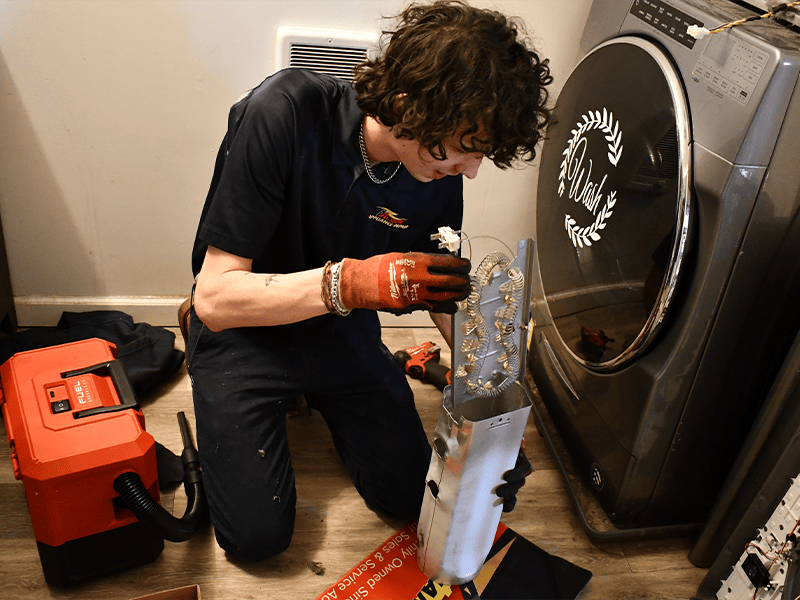
When a decade-old washing machine suddenly stops spinning or leaves a puddle across the laundry room floor, deciding between fixing the unit and buying a replacement feels like an expensive gamble. Homeowners looking into Washer Repair in Alexandria often weigh whether paying a technician makes financial sense when an appliance has already reached double digits. This guide breaks down average component lifespans, typical repair costs, and clear mechanical red flags so you can make a confident, budget-smart choice.
How Long Do Washing Machines Typically Last?
Most residential washing machines built over the last fifteen years have an expected service life of 10 to 13 years. Reaching the ten-year mark puts your appliance right at the threshold where normal wear and tear begins to catch up with major mechanical assemblies. However, age alone does not automatically mean a washer is ready for the scrap heap.
Two primary factors dictate whether a ten-year-old machine has a few solid years left or is nearing total failure: the machine’s style and its weekly workload. Top-loading washers with traditional central agitators tend to rely on simpler mechanical transmissions, which often last longer and tolerate heavier use. Front-loading washers spin at much higher speeds to extract water, placing greater stress on drum bearings, shock absorbers, and door boot seals over a decade of operation.
Usage frequency also shifts the timeline dramatically. A washing machine running two loads a week for a single retiree experiences a fraction of the mechanical fatigue of an identical model running ten loads a week for a busy family of five.
The 50 Percent Rule for Appliance Decisions
Appliance technicians and consumer advocates commonly rely on the 50 percent rule as a practical financial benchmark. Under this guideline, if the total cost of a necessary repair exceeds half the price of a comparable new washing machine, replacement is usually the wiser investment.
Applying this rule to a ten-year-old unit requires slightly tighter math because the remaining lifespan is shorter than that of a five-year-old machine. For a washer that has already logged a decade of service, many repair professionals adjust the threshold closer to 30 or 40 percent of a new unit’s cost. If a comparable new washer costs $800, spending $350 to fix a ten-year-old model rarely offers a strong return on investment unless the machine is a commercial-grade unit built for twenty-year longevity.
Common Washer Repairs at the 10-Year Mark
Understanding which part has failed helps separate minor, worthwhile maintenance from major structural breakdowns. Many mid-cycle shutdowns stem from inexpensive components designed to wear out long before the motor or tub gives way.
Worthwhile Minor Repairs
Several common failures involve accessible parts that a technician can replace during a single visit without tearing down the entire cabinet:
- Drain Pump Blockages or Failures: Coins, hairpins, and small socks frequently jam or burn out drain pumps. Replacing a failed pump is relatively straightforward and restores full drainage without stressing other systems.
- Water Inlet Valves: Over ten years, mineral buildup and worn solenoids can prevent hot or cold water from entering the tub or cause slow, continuous dripping when the machine is off. Swapping an inlet valve is typically a quick, affordable fix.
- Door Latches and Lid Switches: Modern washers will not agitate or spin unless the door or lid locks securely. A worn latch assembly mimics a dead control board, yet the part itself is inexpensive to replace.
- Drive Belts and Suspension Rods: On top-loaders, worn suspension rods cause violent banging during the spin cycle. On belt-driven units, a stretched belt prevents the basket from turning. Both repairs restore smooth operation at a reasonable cost.
Costly Major Failures
Other breakdowns strike at the core mechanical or electronic architecture of the appliance, often pushing the invoice well past sensible limits:
- Tub Bearings and Rear Outer Tubs: A loud roaring sound during the spin cycle—often compared to a jet engine taking off—usually signals failed drum bearings. On many modern front-loaders, the bearings are sealed inside the rear plastic outer tub, requiring an extensive teardown and costly replacement assembly.
- Transmission or Gearcase Assemblies: In top-loading washers, a leaking or seized transmission requires substantial labor to remove and install, making it rarely economical on a ten-year-old unit.
- Main Electronic Control Boards: Power surges and moisture exposure can fry primary control modules. Replacement boards for decade-old models can be expensive and occasionally backordered or discontinued by the manufacturer.
Comparing Repair Costs Against Replacement Value
Evaluating specific numbers makes the repair-versus-replace decision much clearer. The table below outlines common ten-year washer issues, typical repair cost ranges in the United States, and general guidance on whether fixing the unit makes sense.
Common 10-Year-Old Washer Issues: Cost and Recommendation Guide
| Failed Component or Symptom | Typical U.S. Repair Cost (Parts & Labor) | Repair Difficulty & Labor Time | General Recommendation at 10 Years |
|---|---|---|---|
| Lid Switch or Door Lock Assembly | $120 – $220 | Low (30–45 minutes) | Repair, provided the rest of the washer runs smoothly. |
| Water Inlet Valve | $150 – $260 | Low to Moderate (45–60 minutes) | Repair, especially if water pressure or temperature issues are the only flaw. |
| Drain Pump Replacement | $175 – $300 | Moderate (45–75 minutes) | Repair, unless the machine shows signs of rust or bearing noise. |
| Main Electronic Control Board | $300 – $550 | Moderate (60–90 minutes) | Replace, unless the unit is a premium, high-capacity model in otherwise pristine condition. |
| Transmission / Gearcase | $400 – $650+ | High (2–3 hours) | Replace, as labor and part costs approach the price of a new machine. |
| Drum Bearings / Outer Tub | $450 – $750+ | Very High (2.5–4 hours) | Replace, because extensive teardown on an aging frame carries high risk of secondary leaks. |
Note: Service call diagnostic fees typically range from $75 to $125 and are often credited toward the final repair bill if you approve the work.
Five Questions to Ask Before Scheduling Washer Repair
Before committing money to a service call, take ten minutes to inspect the machine and evaluate its overall condition. Asking yourself five practical questions will prevent you from throwing good money after bad.
1. Is This the First Major Breakdown?
If your washing machine has operated reliably for ten years with zero service calls, a single worn valve or pump is simply routine maintenance. Conversely, if you already paid for a control board two years ago and a drain pump last summer, the machine is likely entering a cascade of age-related failures where one fix quickly gives way to the next.
2. Are Replacement Parts Still Readily Available?
Appliance manufacturers generally produce OEM replacement parts for seven to ten years after a model is discontinued. Once a washer crosses the decade mark, specific trim pieces, wiring harnesses, and proprietary control boards may no longer be in production. Relying on salvaged or questionable aftermarket electronics introduces reliability risks that rarely justify the expense.
3. Does the Machine Show Structural Rust or Mold?
Pull the washer slightly away from the wall or inspect around the bleach dispenser, door boot, and bottom base pan. Heavy rust eating through the steel cabinet or persistent, deep-set mold embedded inside a front-loader’s rubber bellows indicates deterioration that mechanical repairs will not solve.
4. How Much Energy and Water Does It Consume?
Washing machine efficiency has improved steadily over the past decade, particularly among ENERGY STAR-certified models. Older top-load agitator washers can use 30 to 40 gallons of water per cycle, whereas newer high-efficiency units often use 12 to 20 gallons while extracting more moisture during the spin cycle. More thorough water extraction also reduces dryer run times, trimming both water and electricity bills every month.
5. What Is Your Current Budget and Timeline?
Sometimes practical logistics outweigh pure long-term math. If a drain pump fails right before a holiday weekend or while you are saving for a larger laundry room renovation, spending $200 on a dependable repair buys you six to eighteen months of breathing room without forcing a rushed appliance purchase.
When Replacing a 10-Year-Old Washer Is Clearly the Better Choice
Certain warning signs point directly toward shopping for a new machine rather than booking a technician. Look out for three unmistakable red flags:
- Multiple Simultaneous Symptoms: If the washer leaks from underneath, fails to spin out clothes completely, and displays intermittent error codes, you are likely facing two separate repairs. Combining multiple fixes almost always breaks the 50 percent rule.
- Burning Odors or Tripped Breakers: Electrical shorts in the motor windings or main harness pose safety hazards and typically signal end-of-life component failure.
- Visible Tub Wobble Paired with Loud Grinding: When both the suspension system and the central bearings fail together, rebuilding the mechanical core costs nearly as much as buying an entry-to-mid-level new washer backed by a fresh manufacturer warranty.
Basic Checks You Can Perform Before Calling a Technician
Not every malfunction requires professional tools or replacement parts. Running through a quick pre-call checklist can occasionally restore normal operation at zero cost:
- Verify Power and Breaker Status: Confirm the outlet has power and check your home’s electrical panel for a tripped breaker or GFCI outlet reset button.
- Inspect Water Supply Valves and Screens: Ensure both hot and cold shutoff valves behind the washer are fully open. If filling is sluggish, turn off the water, unscrew the hoses from the back of the machine, and rinse away sediment trapped in the small mesh inlet screens.
- Check the Drain Hose Height and Loop: Make sure the drain hose is not kinked behind the cabinet or pushed too far down into the household standpipe, which can cause siphoning issues.
- Clean the Drain Pump Filter: Many front-loading washers feature a small access door along the bottom front panel housing a twist-out coin trap. Placing a shallow pan underneath and clearing lint, coins, or buttons from this filter frequently resolves drainage errors immediately.
Conclusion
Deciding whether to fix a ten-year-old washing machine comes down to balancing the specific repair estimate against the overall health of the appliance. Minor repairs—such as replacing a worn drain pump, inlet valve, or lid switch—typically cost between $120 and $300 and can easily extend the life of a well-maintained washer by two or three years. However, major mechanical or electronic failures involving drum bearings, transmissions, or main control boards usually justify putting that money toward a newer, more efficient model. Inspect the cabinet for rust, check for multiple symptoms, and request an itemized diagnostic quote before making your final call.
Frequently Asked Questions
Is a 10-year-old washing machine considered old?
Yes, ten years is right around the average expected lifespan of a standard residential washing machine, which typically runs between 10 and 13 years. While well-maintained machines with lighter weekly loads can reach 14 or 15 years, a decade of service is the point where major mechanical components begin wearing out.
How much is too much to spend repairing a 10-year-old washer?
For a washer that is already ten years old, most appliance professionals recommend capping repair spending at roughly 30 to 40 percent of the cost of a comparable new machine. If a similar new washer costs $750, any repair estimate above $250 to $300 generally favors replacement unless the unit is a heavy-duty commercial-style model.
Do front-load or top-load washers last longer?
Traditional top-load washers with central agitators often last slightly longer and cost less to repair because their mechanical drive systems are simpler and easier to access. Front-load washers clean gently and use less water, but their high-speed spin cycles place more long-term stress on drum bearings, shock absorbers, and door seals.
Should I buy an extended warranty if I repair an older washing machine?
Most reputable appliance repair companies include a 90-day to one-year warranty on the specific part they replace and the associated labor. Buying a separate third-party home warranty solely to cover an aging ten-year-old washer is rarely cost-effective due to service call deductibles and coverage exclusions for pre-existing wear.
Why does my 10-year-old washer shake violently during the spin cycle?
Severe shaking or “walking” across the floor usually happens for one of three reasons: an unbalanced laundry load, unlevel front feet on the machine’s frame, or worn-out suspension rods and shock absorbers. If leveling the machine and redistributing heavy towels does not stop the vibration, worn suspension components are the likely culprit.