Navigating the realm of non-surgical aesthetic enhancements often brings up essential questions regarding suitability and personal safety. A Thread Lift in Abu Dhabi offers a popular option for those seeking subtle facial contouring without the downtime of traditional procedures. Understanding how skin texture, thickness, and elasticity interact with absorbable sutures ensures realistic expectations and optimal outcomes.
- Evaluates structural suitability based on natural skin thickness and elasticity.
- Explores how different skin tones interact with absorbable suture materials.
- Outlines key factors that determine ideal candidacy for non-surgical lifting.
- Details proper preparation and post-procedure care to support healing.
What Is a Thread Lift and How Does It Work?
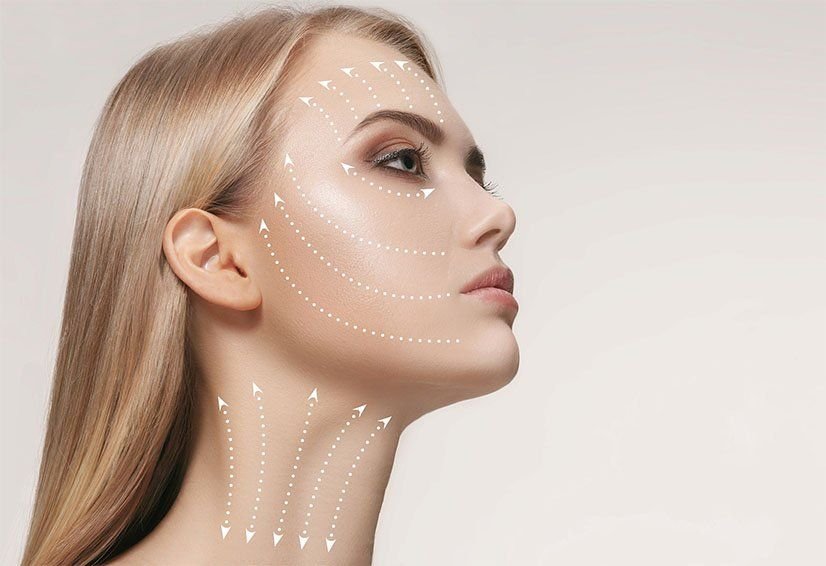
A thread lift is a minimally invasive cosmetic technique designed to gently elevate facial tissues and stimulate ongoing structural support. During the process, temporary, biocompatible sutures are placed beneath the surface of the skin. These sutures feature microscopic structures — such as subtle barbs or cones — that anchor into the subdermal tissue, allowing targeted regions like the cheeks, jowls, or neck to be repositioned.
Beyond the initial mechanical support, the procedure triggers a natural healing response within the dermal layer. As the body gradually absorbs the suture material over several months, it creates a fresh network of structural proteins. This process promotes firmer texture, improved elasticity, and a refreshed appearance that continues to evolve well after the initial application.
- Immediate Mechanical Support: Elevates sagging skin instantly using specialized anchoring sutures.
- Long-Term Collagen Rejuvenation: Encourages natural collagen synthesis as the materials dissolve.
- Minimally Invasive Application: Involves subtle entry points rather than extensive surgical incisions.
Is Thread Lift Safe for All Skin Types?
Determining whether a thread lift is suitable across all skin types involves evaluating factors such as dermal thickness, tone, and existing structural support. While the medical-grade materials used in modern sutures are universally biocompatible, individual skin characteristics dictate how effectively the tissue holds the lift.
Thin vs. Thick Skin Dynamics
Skin density plays a major role in how sutures perform beneath the surface. Extremely thin skin requires careful material selection to prevent the contours of the thread from becoming noticeable beneath the surface. Conversely, very heavy or thick tissue may exert too much downward pressure on delicate sutures, which can limit the visible lifting effect. Moderate skin density generally offers the ideal balance for optimal anchoring and smooth results.
Skin Tone and Pigmentation Safety
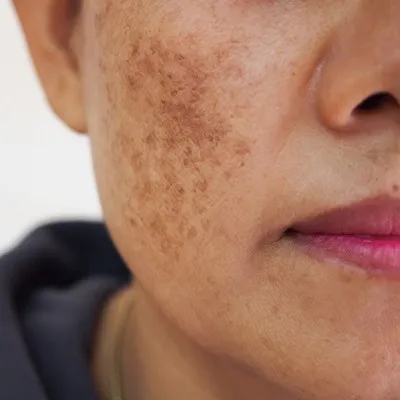
One significant advantage of thread lifting compared to surface-level energy treatments or chemical peels is its safety profile across diverse skin tones. Because the sutures are placed in the deeper subdermal layers without relying on light or heat energy, there is negligible risk of triggering hyperpigmentation or damaging melanin-rich skin. This makes the procedure versatile for individuals across all Fitzpatrick skin types.
Key Factors That Determine Candidacy
Achieving successful results relies on individual physiological factors rather than skin type alone. Evaluating these aspects helps establish clear goals and determines whether a thread lift aligns with specific cosmetic preferences.
- Mild to Moderate Skin Laxity: The ideal candidates are typically individuals experiencing early signs of sagging around the mid-face, jawline, or neck.
- Sufficient Tissue Density: Adequate underlying fat and dermal thickness ensure that sutures remain well-concealed while providing stable anchoring points.
- General Tissue Health: Clear skin free of active localized inflammation or structural breakdown provides the healthiest foundation for smooth healing.
- Realistic Expectations: Understanding that thread lifts deliver subtle, natural-looking refinements rather than dramatic surgical transformations ensures high satisfaction.
- Age Range: Most commonly sought by individuals between 30 and 60 years old.
- Health Status: Well-suited for individuals seeking non-surgical options with minimal operational downtime.
- Prior Procedures: Can serve as a maintenance option for individuals looking to refresh previous cosmetic enhancements.
Types of Threads and Material Compatibility
Modern non-surgical lifting relies on various medical-grade polymers, each offering unique breakdown rates and tissue interactions. Selecting the appropriate material depends on skin texture, age, and desired longevity.
Polydioxanone (PDO) Threads
PDO threads are widely recognized in aesthetic medicine for their established safety profile. They hydrolyze naturally within six to eight months, making them an excellent choice for individuals with normal to delicate skin who desire subtle structural support and enhanced collagen stimulation.
Poly-L-Lactic Acid (PLLA) Threads
PLLA materials break down more slowly, often continuing to stimulate collagen over an extended timeframe. They provide robust volumization and are particularly beneficial for medium-density skin types requiring sustained structural firmness.
Polycaprolactone (PCL) Threads
PCL threads represent an advanced generation of absorbable sutures known for their durability and strong flexibility. Their flexible nature makes them highly suitable for thicker skin or areas experiencing continuous facial movement, yielding long-lasting structural support.
- Smooth (Mono) Threads: Best for skin tightening and collagen stimulation without significant mechanical pull.
- Barbed (Cog) Threads: Designed with tiny hooks to grip and elevate heavier facial tissue.
- Screw (Twist) Threads: Entwined around the needle to restore lost volume in hollowed areas.
Essential Preparation and Aftercare Guidelines
Proper preparation and diligent post-care are essential for supporting tissue integration, maintaining thread position, and promoting smooth recovery across all skin types.
Pre-Procedure Best Practices
Preparing the skin ensures optimal conditions for thread placement. Avoiding blood-thinning supplements, alcohol, and intense physical exertion shortly before the procedure helps minimize localized bruising and swelling at the entry sites. Maintaining clean, hydrated skin also supports a smooth process.
Recovery and Aftercare Focus
Following placement, gentle care protects the internal positioning of the sutures while they settle into the sub-dermal layer.
- Minimize Facial Strain: Avoid extreme facial expressions, wide yawning, or vigorous chewing for the first few days.
- Sleep Position: Elevate the head on extra pillows and sleep on your back to prevent pressure on the treatment areas.
- Avoid Deep Massage: Refrain from facial massages or pressing firmly on the skin for several weeks post-treatment.
- Temperature Control: Skip saunas, steam rooms, and intense heat exposure during the early healing phase.
Frequently Asked Questions
Can people with sensitive skin undergo a thread lift?
Yes, individuals with sensitive skin can safely undergo the procedure, provided there are no active skin infections or acute inflammatory flare-ups in the target area. Because the medical-grade materials used are biocompatible, allergic responses are extremely rare.
How do threads dissolve inside the skin over time?
The sutures gradually break down through a natural process called hydrolysis, where body moisture breaks the polymer bonds. As they dissolve, the body replaces the suture pathways with natural collagen strands, maintaining structural support.
Will threads be visible under thin skin?
When properly selected and placed into the correct dermal depth, threads remain invisible beneath the surface. For delicate or thin skin, softer or smooth threads are typically chosen to ensure a completely seamless appearance.
Can a thread lift be combined with other skincare treatments?
Thread lifts can be integrated into broader cosmetic plans, though timing is important. Light surface treatments can often be scheduled after the initial healing period, whereas high-heat procedures should be deferred for a few months to protect thread integrity.