When exploring options for skin rejuvenation, understanding which methods align with your specific skin profile is the most critical step. Many individuals searching for effective solutions to address persistent textural irregularities often consider Subcision Treatment for Acne Scars in Abu Dhabi to resolve deep, tethered indentations. This specialized approach is designed to target the structural foundations of the skin, yet its suitability depends on several individual anatomical and physiological factors.
- Subcision is a mechanical technique intended for specific types of textural scarring.
- The procedure focuses on deep-tissue tethering rather than surface-level discoloration.
- Candidacy is determined by a professional evaluation of scar morphology and skin health.
Defining the Ideal Candidate Profile
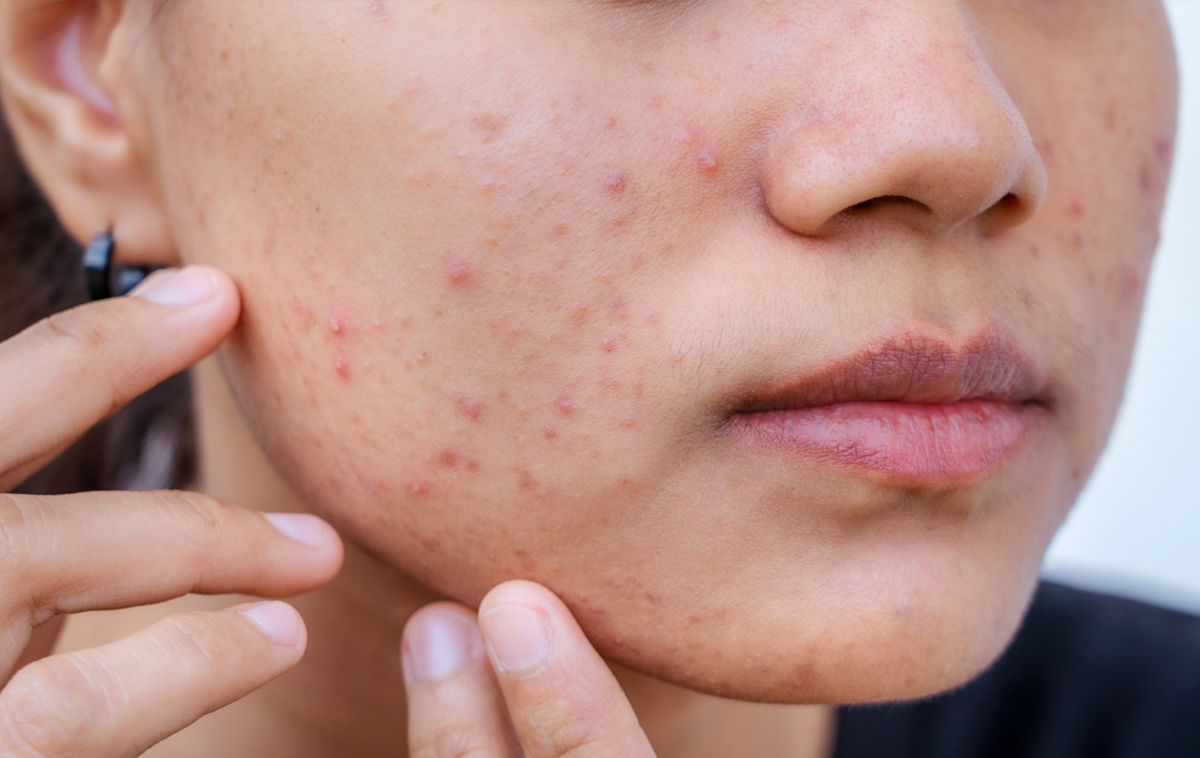
The primary determinant for whether this procedure is appropriate is the type of scarring present. The technique is specifically engineered to treat depressed scars that have an “anchored” appearance. These are scars where the surface of the skin has been pulled downward by fibrous bands, often resulting in rolling or boxcar depressions.
- Rolling Scars: Characterized by a smooth, undulating appearance, these respond exceptionally well to mechanical release because the tethering is usually broad and shallow.
- Boxcar Scars: These have sharper, defined edges. While they are deeper than rolling scars, they can often be improved by releasing the underlying tension.
- Scar Depth: A professional assessment must determine if the indentation is truly tethered to the deeper dermis or if it is a result of surface atrophy, which may require a different approach.
Understanding Scar Anatomy and Suitability
Not all skin irregularities are created equal. It is important to distinguish between scars that are tethered and those that are not. If a scar is not tethered, the skin does not need to be “released” from below, and therefore, a mechanical release technique might not be the most effective strategy.
- Tethered vs. Non-Tethered: If the skin over a scar can be easily stretched to match the surrounding surface, it is often a candidate for subcision. If the scar remains stationary when the skin is moved, it may suggest a different depth or structure.
- The Role of Collagen: The procedure relies on the body’s ability to produce new collagen to fill the void left by the released bands. Individuals with a robust healing response are generally the most suitable candidates.
- Skin Elasticity: Candidates with good skin elasticity tend to see the most natural and uniform results, as the skin can better adapt to the new, level surface once the downward pull is removed.
Considerations for Skin Tone and Type
One of the significant advantages of this mechanical technique is its versatility across diverse skin tones and types. Because the action takes place entirely beneath the surface of the skin, the epidermis remains largely undisturbed.
- Skin Tone Neutrality: Unlike some light-based or chemical-based resurfacing techniques that may pose challenges for individuals with higher melanin content, this mechanical approach does not involve thermal energy, reducing the likelihood of surface pigmentation changes.
- Skin Texture Compatibility: The procedure is generally safe for various skin types, provided there are no active inflammatory conditions present in the treatment area.
- Individual Healing Patterns: While the technique is versatile, every individual heals differently. A professional assessment ensures that your specific skin healing history is taken into account when designing your treatment plan.
When Alternative Approaches May Be Preferred
While many individuals find success with this procedure, there are instances where other modalities might be better suited to the individual’s needs. For instance, if the concern is primarily ice-pick scarring—which is deep, narrow, and often not tethered in the same way as rolling scars—other techniques might be prioritized.
- Ice-Pick Scars: These deep, pore-like scars often require targeted focus on the bottom of the scar rather than a broad release of tethered bands.
- Superficial Texture Concerns: If the scarring is purely superficial, affecting only the surface appearance without deep depressions, other skin-refining procedures may provide a more efficient solution.
- Comprehensive Planning: Often, a combination of approaches is used to treat a “cocktail” of scar types, where different tools are employed for different areas of the face.
The Importance of Professional Assessment
The complexity of skin anatomy means that a “one-size-fits-all” approach is rarely effective. Determining suitability requires an expert eye to map the depth, width, and connection points of each scar.
- Detailed Mapping: Identifying exactly which scars are tethered and which are not allows for a precise application of the technique.
- Realistic Goal Setting: Understanding what is biologically possible for your skin type helps manage expectations and ensures satisfaction with the journey toward smoother skin.
- Customized Strategy: A tailored plan, which may include the number of sessions and the integration of other supportive therapies, is the hallmark of a successful outcome.
Frequently Asked Questions
1. Does age affect my candidacy for this treatment?
Age is rarely a primary disqualifier. Rather, the health of the skin and its capacity for collagen synthesis are more important. The professional conducting your assessment will evaluate your skin’s condition to determine if you are a good candidate regardless of age.
2. Can I get this treatment if I have sensitive skin?
Yes, this procedure is generally suitable for those with sensitive skin. Since the intervention is mechanical and performed beneath the surface, it avoids many of the common triggers associated with topical chemical or harsh energy-based treatments.
3. How do I know if my scars are “tethered”?
A simple way to check is to stretch the skin around the scar. If the depression remains visible and does not smooth out as you stretch the surrounding tissue, it is likely tethered. However, a professional diagnostic assessment is the only way to be certain.
4. Is there anyone who should not undergo this procedure?
Generally, those with active skin infections, certain medical conditions that impair wound healing, or those taking specific medications that affect blood clotting may not be suitable candidates. A thorough pre-procedure consultation is essential to rule out these factors.
5. Can this procedure be used alongside other skin treatments?
Absolutely. Many people achieve their best results by combining this mechanical release technique with other procedures that improve the surface quality of the skin, creating a comprehensive approach that addresses both the depth and the finish of the skin texture.