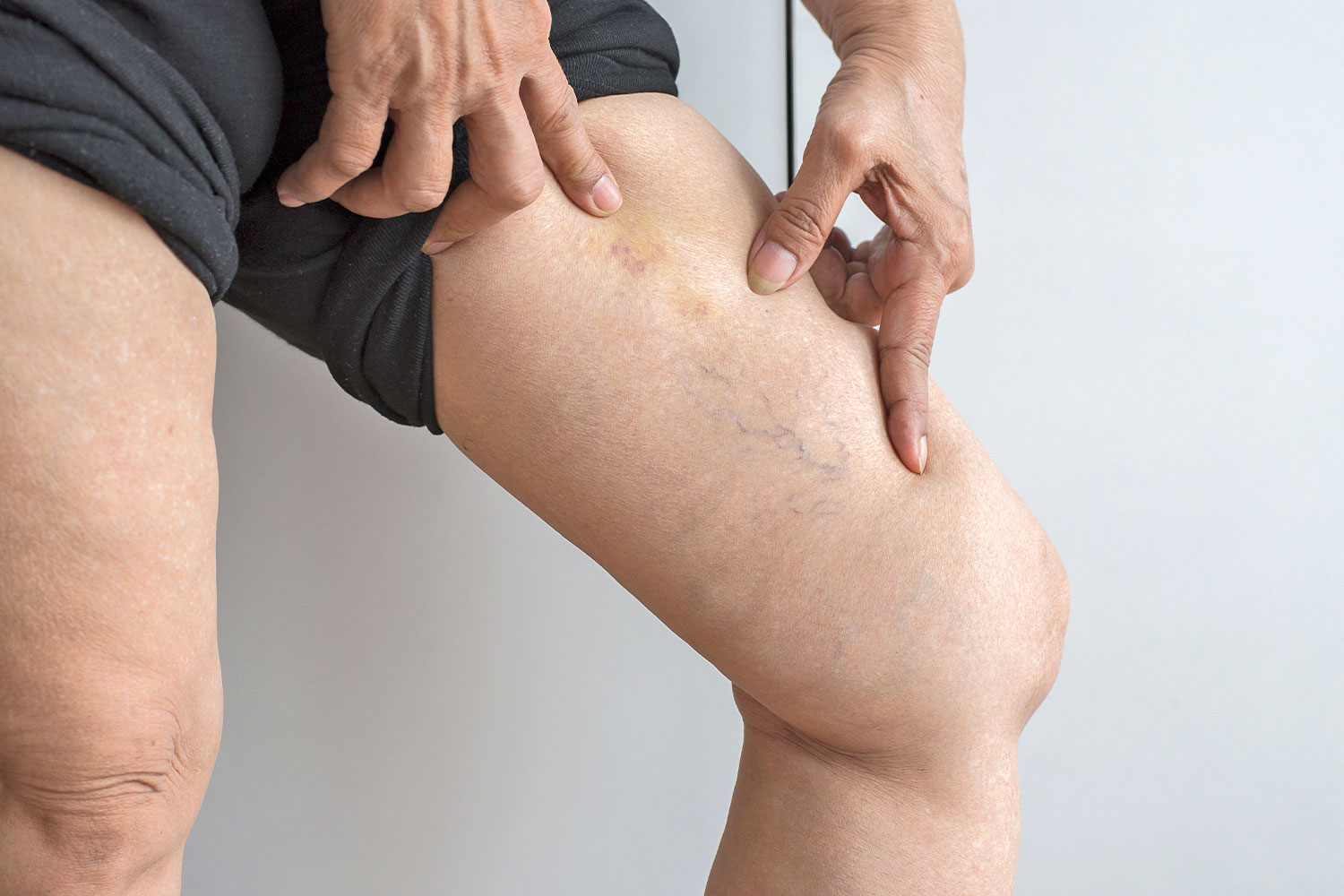
The pursuit of smoother, healthier-looking legs has led many individuals to explore modern medical advancements in vascular care. Among the most established and widely utilized methods, Sclerotherapy in Abu Dhabi stands out as a premier choice for those seeking to address the underlying causes of visible veins without undergoing invasive surgical procedures. This technique has evolved significantly over the years, offering a reliable pathway for individuals to regain their confidence and improve their vascular well-being through a specialized, minimally invasive approach.
- Vascular Health Awareness: Modern treatments focus on both the aesthetic and functional aspects of vein health.
- Minimally Invasive Preference: Patients increasingly opt for non-surgical solutions that require little to no downtime.
- Professional Expertise: Specialized care ensures that the procedure is tailored to the specific needs of each individual’s vascular profile.
What is Sclerotherapy?
Sclerotherapy is a medical procedure used to eliminate varicose veins and spider veins by injecting a solution directly into the affected vessel. This solution, known as a sclerosant, is designed to irritate the internal lining of the vein, causing it to undergo a controlled inflammatory response. As the vein walls stick together and seal shut, the blood flow is naturally redirected to healthier, deeper veins, while the treated vessel eventually turns into scar tissue and is absorbed by the body’s metabolic processes.
- Mechanism of Action: The sclerosant solution causes the vein to collapse by irritating its inner lining.
- Blood Rerouting: Circulation is improved as blood moves through more efficient, healthy vascular pathways.
- Natural Absorption: The body gradually breaks down the sealed vein, making it disappear from the skin’s surface over time.
The Mechanism: How It Works on Varicose Veins
The effectiveness of this treatment lies in its precision. During the session, a healthcare professional uses a very fine needle to administer the liquid or foam sclerosant. For larger varicose veins, a “foam” version of the solution is often preferred because it can cover a larger surface area within the vein without being diluted by the blood as quickly as a liquid would. This ensures that the entire diameter of the malfunctioning vein is treated effectively.
The Role of Ultrasound Guidance
In many cases, practitioners utilize ultrasound technology to visualize the veins that are not visible to the naked eye. This “Ultrasound-Guided Sclerotherapy” allows for the treatment of deeper “feeder” veins that may be the root cause of surface-level varicosities. By addressing these hidden sources, the treatment provides a more comprehensive solution than superficial methods alone.
Closing the Loop on Circulation
Once the injection is complete, the vein immediately begins to shrink. The pressure applied through compression afterward is vital to ensure the vein walls stay in contact, allowing them to fuse successfully. This closure prevents the pooling of blood that creates the bulging, blue appearance characteristic of varicose veins.
- Precision Delivery: Fine needles ensure minimal discomfort and targeted treatment of specific vessels.
- Foam vs. Liquid: Different formulations are used depending on the size and depth of the vein.
- Root Cause Focus: Ultrasound guidance helps identify and treat deeper veins that contribute to surface issues.
Is Sclerotherapy Effective for Varicose Veins?
Research and clinical experience consistently demonstrate that sclerotherapy is highly effective for a vast majority of patients. It is considered the gold standard for spider veins and small-to-medium-sized varicose veins. When performed correctly, the success rate for closing treated veins is remarkably high, often exceeding 70% to 80% per session. Most patients notice a significant improvement in the appearance of their legs within a few weeks to a few months.
- High Success Rates: A significant majority of treated veins respond successfully to the initial injections.
- Visible Transformation: The fading of blue and purple lines leads to a clearer skin tone.
- Functional Improvement: Beyond looks, the treatment addresses the heaviness and aching often associated with vein issues.
Benefits of Choosing This Procedure
Choosing a non-surgical route for vein management offers several advantages that align with a modern, active lifestyle. Unlike traditional vein stripping, which requires general anesthesia and a lengthy recovery, this method allows individuals to return to their daily routines almost immediately.
Aesthetic and Physical Relief
While many seek treatment for the cosmetic improvement of their legs, the physical benefits are equally compelling. By removing the non-functional veins, the “heavy” feeling in the legs often dissipates, and symptoms like nighttime cramping or localized swelling may be significantly reduced. This dual benefit makes it a comprehensive choice for holistic leg health.
Convenience and Efficiency
The procedure itself is relatively quick, typically lasting between 15 to 45 minutes depending on the number of veins being treated. There is no need for a hospital stay, and most people can drive themselves home or back to work immediately following their appointment.
- Zero Downtime: Most patients resume walking and light activities right after the session.
- Symptom Management: Relief from leg fatigue and swelling is a common positive outcome.
- No Anesthesia Required: The minimally invasive nature eliminates the need for sedation or general numbing.
Determining Candidacy: Who is it for?
Not every person with varicose veins is a candidate for this specific treatment. A thorough evaluation is necessary to determine the size, location, and severity of the vascular issues. Generally, those with small to medium varicose veins see the best results.
Ideal Candidates
Individuals who are in good overall health and are not currently pregnant or breastfeeding are typically eligible. It is also important that the candidate is mobile, as walking after the procedure is a critical component of the recovery process to ensure healthy circulation and prevent complications.
When to Seek Alternatives
For very large, ropey varicose veins, other minimally invasive techniques like endovenous laser treatment or radiofrequency ablation might be recommended as a primary step, sometimes followed by sclerotherapy to “clean up” any remaining smaller vessels.
- Health Assessment: A review of medical history ensures the treatment is appropriate for the individual.
- Mobility Requirement: The ability to walk regularly post-treatment is essential for success.
- Vein Size Matching: The technique is tailored to the specific dimensions of the patient’s veins.
What to Expect During the Session
The experience of undergoing the treatment is generally described as a series of small pinpricks. Because the needles are so fine, many patients find the sensation much more tolerable than they initially anticipated. Once the sclerosant is injected, some might feel a mild tingling or a temporary “cramping” sensation as the solution begins to work on the vein wall.
The Procedure Steps
- Preparation: The leg is cleaned and positioned, usually slightly elevated.
- Injection: The practitioner identifies the target veins and carefully administers the solution.
- Compression: Immediate pressure is applied to the site, and the patient is typically fitted with a compression stocking.
- Minimal Discomfort: The sensation is often compared to a mosquito bite or a light pinch.
- Guided Precision: Practitioners may use specialized lights or ultrasound to map the veins.
- Post-Injection Care: The use of compression is a standard part of the procedure protocol.
The Importance of Aftercare
The success of the treatment doesn’t end when the patient leaves the office. Following the prescribed aftercare instructions is vital for achieving the best possible results. The most important element is the consistent use of medical-grade compression stockings, which help keep the treated veins closed and reduce the likelihood of new veins forming in the immediate area.
Staying Active
Walking is highly encouraged. Regular movement helps keep the blood flowing through the healthy veins and assists the body in processing the treated vessels. However, strenuous exercise like heavy weightlifting or high-impact running is usually avoided for the first week to allow the veins to heal without excessive internal pressure.
Protecting the Skin
Protecting the treated area from direct sunlight is also important during the healing phase. UV exposure can sometimes lead to temporary pigmentation changes in the skin over the treated vein, so wearing long pants or applying sunblock is recommended if the legs will be exposed.
- Compression is Key: Wearing stockings as directed is the most important factor in post-treatment success.
- Gentle Movement: Daily walking promotes healthy circulation and aids healing.
- Sun Protection: Keeping the legs shaded prevents localized skin discoloration.
Expected Timeline for Results
Patience is a virtue when it comes to vein treatments. While the vein is “closed” immediately, it takes time for the body to break down the tissue. For spider veins, results are usually visible within three to six weeks. For larger varicose veins, it may take three to four months for the vein to completely fade from view.
Multiple Sessions
Depending on the extent of the vascular issues, some individuals may require more than one session to achieve their desired outcome. These sessions are usually spaced several weeks apart to allow the body to respond to the initial treatment and for the practitioner to assess which areas need further attention.
- Gradual Fading: Improvements appear incrementally as the body absorbs the closed vessels.
- Cumulative Benefits: Each session builds upon the last for more comprehensive clearing of the skin.
- Long-Term Outlook: Once a vein is successfully closed and absorbed, it does not reappear.
Maintaining Long-Term Vascular Health
While sclerotherapy effectively removes existing problematic veins, it does not prevent new ones from developing in the future if the underlying lifestyle factors or genetic predispositions remain. Maintaining a healthy weight, exercising regularly, and avoiding prolonged periods of standing or sitting can all help preserve the health of the remaining veins.
- Lifestyle Integration: Healthy habits support long-term vascular integrity.
- Preventative Measures: Regular movement and leg elevation can reduce future vein stress.
- Periodic Check-ups: Staying in touch with a vascular specialist helps catch new issues early.
Frequently Asked Questions
Can I return to work immediately after the treatment?
Yes, most patients are able to return to their jobs and normal daily activities immediately. The procedure is non-surgical and does not require a recovery period that involves bed rest. In fact, walking is encouraged right after the session to promote blood flow.
How many sessions are usually needed?
The number of sessions varies depending on the number and size of the veins being treated. While some people see great results after just one session, many require two to four appointments to achieve complete clearing of the targeted area.
Will the treated veins come back?
Once a vein has been successfully collapsed and absorbed by the body, that specific vein will not return. However, sclerotherapy does not stop the body from developing new varicose or spider veins in the future, especially if there is a genetic predisposition.
Are the results of sclerotherapy permanent?
The removal of the treated vein is permanent. However, because the underlying tendency for veins to weaken can persist, new veins may form over time in different locations. Maintaining a healthy lifestyle is the best way to extend the aesthetic and physical results.