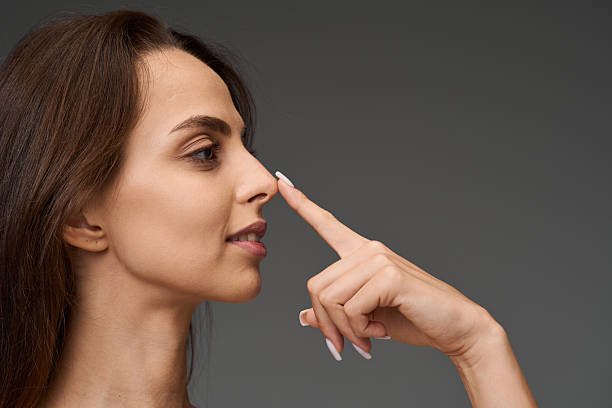
Rhinoplasty is a versatile surgical procedure that can reshape the nose, refine facial proportions, and address certain structural concerns in both men and women. Men who feel their nose is too prominent, broad, uneven, or disproportionate may consider nasal reshaping to create a more balanced appearance. For those exploring Rhinoplasty in Abu Dhabi, understanding how treatment can be tailored to male facial anatomy is an important part of the decision-making process. Although the fundamental principles of rhinoplasty are similar for everyone, treatment planning can be personalized according to individual features, facial structure, aesthetic preferences, and functional goals.
Why Men Consider Rhinoplasty
Men may seek rhinoplasty for many of the same reasons as other patients. A person may be concerned about a prominent nasal bridge, a broad nasal tip, excessive width, nasal asymmetry, or the relationship between the nose and other facial features.
Some men may also consider rhinoplasty to address structural characteristics associated with nasal breathing. When functional and aesthetic concerns exist together, both can be discussed during treatment planning.
The motivation for rhinoplasty is highly personal. The most suitable candidates generally seek changes because they want to improve a feature that has consistently affected their satisfaction with their appearance.
Is Rhinoplasty Different for Men?
The basic purpose of rhinoplasty is the same regardless of gender, but male facial anatomy can influence how the procedure is planned. Facial proportions, nasal structure, skin characteristics, and the relationship between the nose and surrounding features vary from person to person.
Male rhinoplasty often focuses on preserving or creating proportions that complement the individual’s facial structure. This means there is no single “male nose” that should be applied to every patient. A personalized approach is more appropriate than following a fixed template.
Maintaining Masculine Facial Proportions
For men who want to preserve traditionally masculine facial characteristics, maintaining appropriate nasal proportions can be an important consideration. A nose that is excessively narrowed, shortened, or reduced may appear inconsistent with the rest of the face.
The objective can instead be to refine specific areas while preserving appropriate strength and definition. The bridge, nasal tip, projection, and width can be considered in relation to the forehead, cheeks, lips, chin, and jawline.
A balanced result should complement the person’s existing appearance rather than make the nose look noticeably disconnected from the face.
Reshaping a Prominent Nasal Bridge
A prominent nasal bridge is a common reason some men explore rhinoplasty. The bridge may appear particularly noticeable from the side and can influence the overall profile.
Rhinoplasty can involve structural refinement of the bridge when appropriate. The extent of modification depends on the individual’s anatomy and desired outcome. The aim is generally to create a smoother and more proportionate profile while maintaining suitable structural support.
Refining the Nasal Tip
The nasal tip contributes significantly to the character and proportions of the nose. Some men may feel that their tip is too broad, rounded, projected, or insufficiently defined.
Rhinoplasty can reshape the tip to improve its relationship with the bridge and other nasal structures. For a natural-looking male result, refinement should be balanced rather than excessive, allowing the tip to remain appropriate for the individual’s facial characteristics.
Addressing Nasal Width
A wide nose can affect facial proportions, particularly when viewed from the front. Rhinoplasty may address nasal width when it is an important part of the individual’s aesthetic concern.
The appropriate degree of narrowing depends on the person’s facial dimensions and nasal anatomy. The goal is not simply to make the nose narrower but to create proportions that work naturally with the rest of the face.
Improving Nasal Projection
Nasal projection refers to how far the nose extends outward from the face. Differences in projection can significantly influence the side profile and overall appearance.
Depending on the individual’s anatomy, rhinoplasty can modify projection to create a more balanced relationship between the nose, lips, and chin. Careful planning is important because projection contributes to the three-dimensional structure of the nose.
Rhinoplasty and Male Facial Harmony
A successful nasal reshaping approach considers the entire face rather than treating the nose as an isolated feature. Male facial structures can vary considerably in width, length, jaw definition, and overall proportions.
The ideal nasal shape therefore depends on the individual’s specific characteristics. A personalized approach can help ensure that changes to the nose complement the broader facial structure.
Can Men Have Natural-Looking Rhinoplasty Results?
Yes. Rhinoplasty can be designed to produce subtle, natural-looking changes in men. Natural results generally come from creating appropriate proportions and preserving the characteristics that make the person’s face distinctive.
The goal does not necessarily have to be a dramatic transformation. Refining a prominent feature or adjusting proportions can create a noticeable improvement while allowing the nose to remain visually integrated with the rest of the face.
Functional Considerations for Men
Some men seek rhinoplasty because of concerns involving both appearance and nasal function. Structural characteristics within the nose can sometimes influence airflow, making functional assessment relevant to treatment planning.
When breathing concerns are present, they should be discussed during the consultation. Understanding both functional and aesthetic objectives allows the treatment plan to consider the nose as a complete structural system.
The Importance of Individual Anatomy
Every man’s nose has its own combination of bone, cartilage, skin, and soft tissue. These characteristics influence what types of reshaping may be appropriate and how visible the final changes may appear.
Skin thickness, cartilage strength, nasal width, and existing asymmetry can all affect treatment planning. This is why copying another person’s nose is generally not a reliable approach. The most appropriate result is one designed around the individual’s own anatomy.
Who May Be a Suitable Male Rhinoplasty Candidate?
Men who are physically mature, generally healthy, and motivated by personal goals may be candidates for rhinoplasty. Realistic expectations are also important because the procedure can improve nasal proportions but cannot guarantee perfection.
A suitable candidate should understand that recovery takes time and that the final appearance develops gradually. Being prepared for this process can contribute to a more informed decision.
How Long Do Male Rhinoplasty Results Last?
Rhinoplasty creates structural changes intended to be long-lasting. Once the nasal tissues have healed and stabilized, the reshaped framework generally maintains its new form.
However, the nose naturally changes with age. Skin, cartilage, and soft tissues can gradually evolve, so the appearance may change subtly over the years. These natural changes do not mean that the original rhinoplasty result simply disappears.
Setting Realistic Expectations
Before treatment, it is important to understand what rhinoplasty can realistically accomplish. The procedure can refine specific features and improve facial balance, but the final result is influenced by existing anatomy.
Men should consider whether they want subtle refinement or more noticeable structural changes and communicate these preferences clearly during consultation. Realistic expectations help align personal goals with an achievable treatment plan.
Choosing a Personalized Rhinoplasty Approach
Rhinoplasty can be suitable for men seeking nose reshaping when their goals, anatomy, and expectations align with what the procedure can achieve. There is no universal approach for male rhinoplasty because every face and nose is different.
The most effective planning considers nasal structure, facial proportions, functional concerns, desired level of refinement, and long-term aesthetic goals. By focusing on individual characteristics rather than generic ideals, rhinoplasty can help create a nose that feels naturally suited to the person’s face.
Frequently Asked Questions
Is rhinoplasty suitable for men?
Yes. Men can be suitable candidates for rhinoplasty when they are physically mature, have appropriate overall health, understand the procedure, and have realistic expectations about the changes that can be achieved.
Is male rhinoplasty different from female rhinoplasty?
The fundamental principles are similar, but treatment planning may differ according to individual facial proportions and aesthetic goals. Male rhinoplasty often considers maintaining appropriate nasal strength and proportions that complement the broader facial structure.
Can rhinoplasty make a man’s nose look more defined?
Yes. Depending on the individual’s anatomy, rhinoplasty can refine features such as the nasal bridge, tip, width, or projection, potentially creating a more defined and proportionate appearance.
Can men have rhinoplasty for breathing concerns?
Yes. When structural characteristics contribute to nasal breathing concerns, functional considerations can be incorporated into the overall assessment and treatment planning.
Will male rhinoplasty results look natural?
Rhinoplasty can produce natural-looking results when the treatment is personalized to the individual’s anatomy and facial proportions. The goal is generally to create balanced refinement while preserving the person’s distinctive facial characteristics.