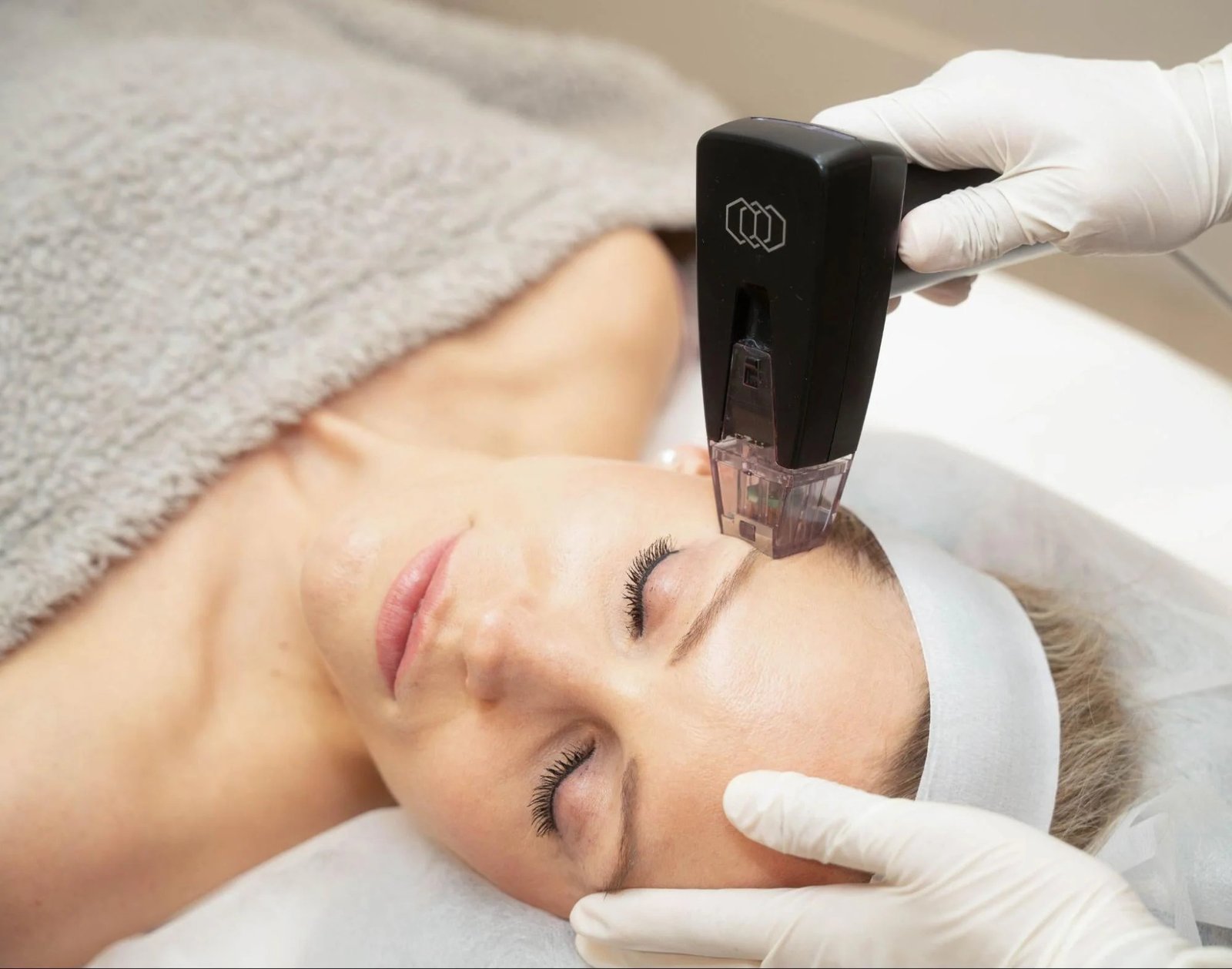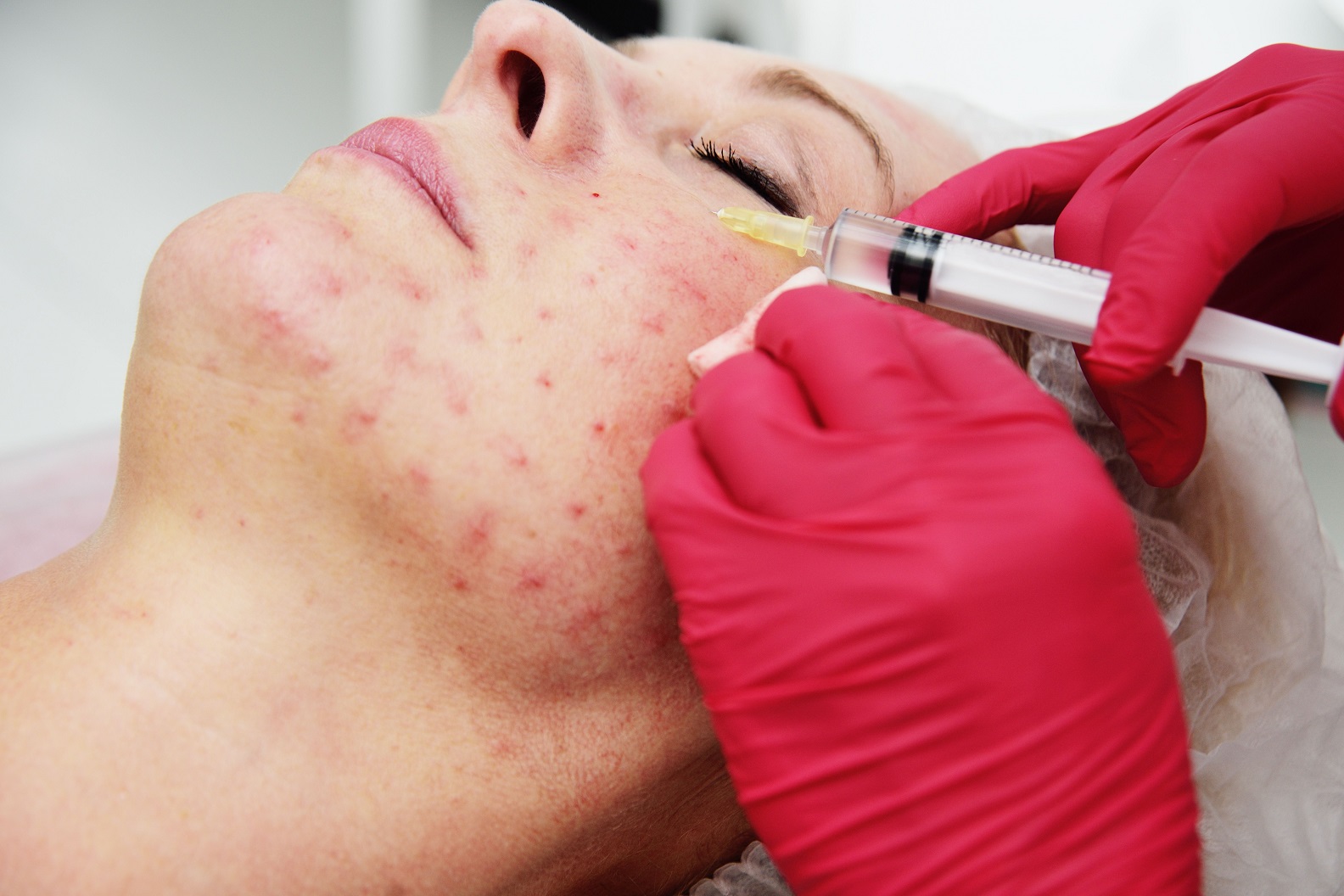
Determining the most effective facial rejuvenation method often depends on an individual’s specific skin goals and the underlying concerns they wish to address. While both options aim to restore a youthful appearance, they function through entirely different biological mechanisms. Choosing PRP treatment in Abu Dhabi or opting for dermal fillers requires an understanding of how regenerative therapy compares to immediate structural enhancement.
- Regeneration vs. Volume: PRP focuses on natural tissue repair and long-term skin quality, whereas fillers provide instant volume and contouring.
- Biological Action: PRP utilizes the body’s own growth factors to stimulate collagen, while fillers use external substances like hyaluronic acid to physically fill space.
- Result Timeline: Fillers offer immediate gratification, while PRP results emerge gradually as the skin heals itself from within.
- Longevity: PRP effects can be more sustainable over time due to cellular improvement, while fillers eventually metabolize and require maintenance.
Understanding the Fundamentals of PRP Therapy
Platelet-Rich Plasma (PRP) therapy is a regenerative approach that utilizes the healing power of your own blood to revitalize the skin. The process involves isolating platelets, which are rich in growth factors, and reintroducing them into the skin to trigger the body’s natural repair mechanisms. Unlike synthetic treatments, this method focuses on improving the health of the skin at a cellular level, making it a popular choice for those seeking a more organic approach to anti-aging.
- The Power of Growth Factors: Platelets contain essential proteins that facilitate wound healing and tissue regeneration.
- Natural Integration: Because the material is autologous (derived from the patient), it integrates seamlessly with existing tissues.
- Focus on Texture: The primary goal is to improve skin tone, texture, and overall luminosity.
- Long-term Health: Rather than just masking signs of aging, it works to reverse them by strengthening the skin’s structural foundation.
How Dermal Fillers Create Instant Transformation
Dermal fillers are injectable substances designed to add volume, change the contours of the face, and smooth out deep wrinkles. Most modern fillers are composed of hyaluronic acid, a naturally occurring sugar in the body that attracts moisture. These are primarily used to address “static” wrinkles—the lines that are present even when the face is at rest—and to replace fat loss that occurs naturally as we age.
- Structural Support: Fillers act as a scaffold to lift sagging skin and redefine features like cheekbones or the jawline.
- Immediate Impact: The change in appearance is visible the moment the session is complete.
- Moisture Retention: Hyaluronic acid-based fillers help hydrate the skin from the inside out.
- Versatility: They can be used for everything from fine lines around the mouth to significant volume restoration in the mid-face.
Comparing the Mechanism of Action
The core difference between these two popular treatments lies in how they achieve their results. Fillers are “space-occupying” agents; they take up room under the skin to push out wrinkles or create a fuller shape. In contrast, PRP is a “biostimulator.” It does not add physical volume in the way a gel does, but rather signals the skin to produce more of its own collagen and elastin.
- Active vs. Passive: PRP is an active treatment that forces the body to work, while fillers are a passive addition to the facial structure.
- Collagen Synthesis: PRP is superior for increasing the density of the dermis over several months.
- Volume Replacement: Fillers remain the gold standard for correcting deep hollows and significant volume depletion.
- Synergy: Many people find that these treatments actually work best when used in tandem to address both volume and skin quality.
Ideal Candidates for Regenerative Therapy
Regenerative options like PRP are often best suited for individuals who are starting to notice the first signs of aging or those who want to maintain their skin’s vitality. It is particularly effective for treating fine lines, dullness, and a loss of elasticity. Because it relies on the body’s ability to heal, it is a favorite for those who prefer a subtle, “undone” look that evolves over time rather than a dramatic change.
- Prevention and Maintenance: Excellent for younger individuals looking to “pre-juvenate” their skin.
- Overall Skin Quality: Best for those whose primary concern is the texture and “glow” of their complexion.
- Subtlety: Ideal for patients who are wary of looking over-filled or “plastic.”
- Safety Profile: Since it uses the patient’s own blood, it is highly compatible with most skin types.
When to Choose Fillers Over PRP
Fillers are the preferred choice when the primary goal is to reshape or deeply contour the face. If a patient has deep nasolabial folds (smile lines), sunken temples, or very thin lips, PRP alone may not provide the dramatic structural change required. Fillers allow for precision in sculpting, making them better for correcting asymmetry or providing a significant lift to sagging tissues.
- Deep Folds: Necessary for lines that have become permanent and deep.
- Precision Sculpting: The best tool for defining the chin, nose, or cheeks.
- Rapid Results: Perfect for those with a timeline, such as an upcoming event.
- Correction of Fat Loss: Directly addresses the “hollowing” effect that comes with aging or weight loss.
Longevity and Maintenance Cycles
The duration of results varies significantly between the two. Fillers typically last anywhere from six months to two years, depending on the type of product used and the area treated. PRP, while taking longer to show results, can lead to improvements that last for a significant period because the new collagen produced is your own. However, a series of initial sessions followed by annual maintenance is usually recommended for PRP to keep the regenerative process active.
- Metabolic Factors: How quickly your body breaks down fillers determines their lifespan.
- Cumulative Benefits: PRP results often improve with each subsequent session as collagen builds up.
- Maintenance Schedules: Fillers are usually “topped up” once the volume begins to fade.
- Consistency: Sustained skin health through PRP requires a more disciplined, long-term approach to sessions.
Impact on Skin Texture and Tone
While fillers can smooth out the skin by stretching it over a filled area, they don’t necessarily improve the health or “brightness” of the skin itself. PRP is specifically designed to address these surface-level concerns. By improving blood flow and stimulating cellular turnover, PRP can help with issues like large pores, uneven skin tone, and the crepey texture often seen around the eyes.
- Glow Factor: PRP is widely known for creating a “vampire” glow by revitalizing the blood supply to the skin.
- Pore Refinement: The increased collagen from PRP can help tighten and minimize the appearance of pores.
- Surface Smoothing: More effective for fine, “crinkly” lines that fillers might be too heavy to treat.
- Uniformity: Helps in balancing out skin discoloration and minor pigmentation issues over time.
The Role of Collagen Induction
Collagen is the protein responsible for keeping our skin firm and youthful. As we age, our production of collagen drops significantly. Fillers do not typically stimulate significant new collagen (though some specific types do); they mostly replace the space where collagen used to be. PRP’s entire mission is collagen induction, making it a more “functional” treatment in the context of biological aging.
- Structural Integrity: PRP strengthens the “mesh” of the skin.
- Elasticity: Increased elastin production helps the skin “snap back” more effectively.
- Biological Age: PRP aims to make the skin behave like younger tissue.
- Long-term Resilience: Regular stimulation makes the skin more resistant to future wrinkling.
Combining Treatments for Maximum Benefit
In many professional settings, the question isn’t “which is better” but “how can they work together.” Using fillers to provide the structural “lift” and PRP to improve the “veneer” of the skin can yield the most natural and comprehensive results. This dual approach ensures that the face looks both youthful in shape and healthy in texture.
- The Hybrid Approach: Addressing both volume loss and skin thinning simultaneously.
- Layered Results: Fillers work in the deeper layers, while PRP works in the dermis.
- Natural Aesthetics: Using less filler and more PRP can prevent a “puffy” appearance.
- Customization: A tailored plan can address specific areas with the tool most suited for that particular concern.
Final Thoughts on Choosing the Right Path
The choice between PRP and fillers ultimately rests on your personal priorities. If you want to see a change today and need to fill a specific hollow or deep line, fillers are the logical choice. However, if you are looking to invest in the long-term health and quality of your skin using your body’s own resources, PRP offers a regenerative path that fillers cannot replicate. Consulting with a professional to analyze your skin’s thickness, elasticity, and volume levels is the best way to determine which method will meet your expectations.
- Goal Setting: Clearly define whether you want volume or revitalization.
- Patience Level: Determine if you are comfortable waiting for gradual, natural improvements.
- Body Preference: Decide if you prefer using your own biological material or a synthetic gel.
- Holistic Care: View these treatments as part of a larger, comprehensive skincare and wellness strategy.
FAQs
How long does it take to see results from PRP compared to fillers?
Fillers provide an immediate visible change in volume and contouring right after the session. In contrast, PRP results are gradual, usually becoming noticeable after three to four weeks, with the full regenerative effects peaking around three to six months as new collagen forms.
Can PRP and fillers be done during the same appointment?
Yes, it is common to combine these treatments. Fillers can be used to address deep structural gaps, while PRP can be applied to the more superficial layers of the skin to improve texture and tone, providing a comprehensive facial rejuvenation.
Is PRP better for the under-eye area than fillers?
It depends on the concern. For “tear troughs” or deep hollows, fillers are often more effective at masking the shadow. However, for thinning skin, fine lines, and dark circles caused by poor circulation, PRP is often preferred as it strengthens the delicate skin in that area.
How many sessions of PRP are typically needed?
While a single session can provide a boost, most professionals recommend an initial series of three sessions spaced about a month apart. This allows for a cumulative buildup of collagen, leading to more significant and long-lasting improvements in skin quality.