Keloids represent more than just a cosmetic concern; for many, they are a persistent reminder of a past injury that refuses to fade. Unlike typical scars that flatten over time, keloids are aggressive, growing well beyond the boundaries of the original wound. Seeking professional Keloid Treatment in Abu Dhabi has become a primary pathway for individuals looking to regain smooth skin and, more importantly, stop the cycle of recurrence that characterizes these stubborn lesions. Understanding the mechanics of how modern treatments disrupt scar formation is the first step toward long-term relief.
- The Nature of Keloids: Keloids are characterized by an overgrowth of granulation tissue.
- The Role of Specialized Care: Advanced interventions focus on the underlying cellular signals that cause tissue to over-expand.
- Preventative Focus: Modern methodology prioritizes not just removal, but the biological “reset” of the skin’s healing response.
Understanding the Keloid Mechanism
To understand how treatment prevents regrowth, one must first understand why keloids grow in the first place. When the skin is injured, the body produces collagen to close the wound. In most people, this process stops once the gap is bridged. However, in keloid-prone skin, the “off switch” for collagen production is effectively broken. The body continues to pile on tough, fibrous protein, creating a raised, thick, and often itchy or painful nodule.
The Overactive Fibroblast
Fibroblasts are the cells responsible for wound healing. In a keloid, these cells are hypersensitive. They react to minor inflammation by producing excessive Type I and Type III collagen. Treatments aimed at preventing regrowth target these specific cells to dial back their productivity.
Genetic and Environmental Triggers
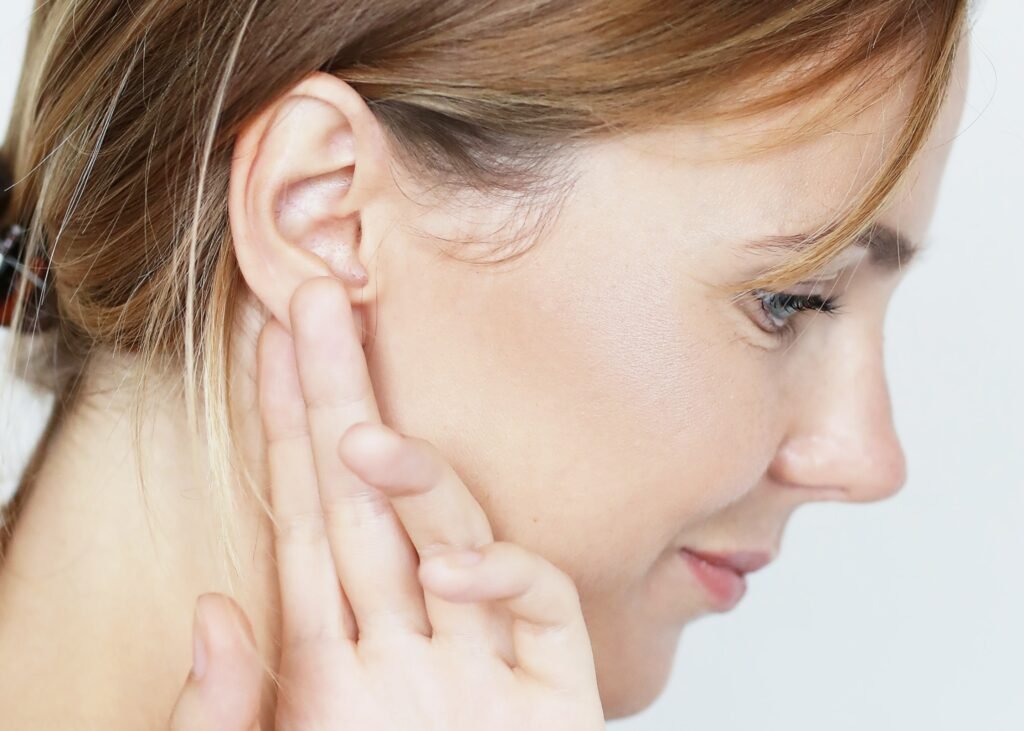
While the exact cause isn’t always clear, skin tension and genetic predisposition play massive roles. Areas like the chest, shoulders, and earlobes are high-tension zones where the skin is constantly pulled, which signals fibroblasts to keep building “reinforcements,” leading to a keloid.
- Collagen Dysregulation: The primary issue is an imbalance between collagen synthesis and degradation.
- Cellular Behavior: Treatment must address the “hyper-excitable” state of the skin cells.
- Tension Factors: Physical pull on the skin often dictates where a keloid will expand.
Primary Treatment Modalities and Regrowth Prevention
Preventing the return of a keloid is significantly harder than removing the initial growth. If a keloid is simply cut out with a scalpel, it has a nearly 50% to 100% chance of returning—often larger than before. This is because the act of cutting creates a new wound, which triggers the same faulty healing mechanism. Therefore, effective treatment must use a multi-pronged approach to “trick” the skin into healing normally.
Corticosteroid Injections
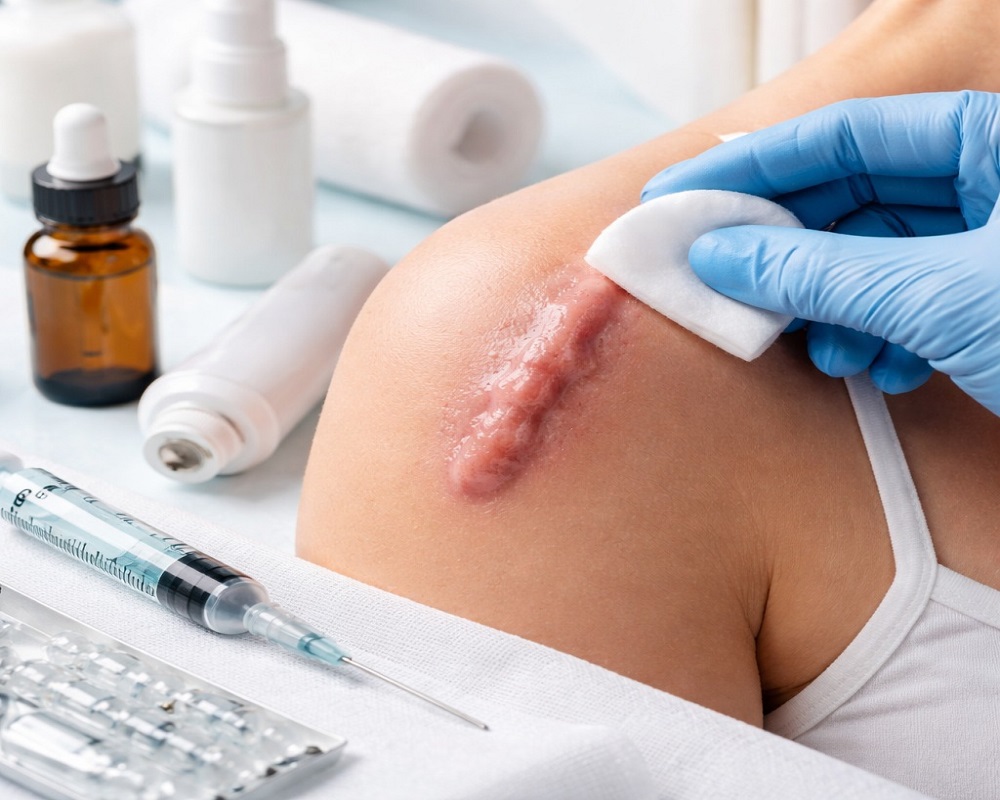
The most common first-line defense involves injecting medication directly into the scar tissue. These steroids work by inhibiting the inflammatory process and reducing the activity of fibroblasts. By slowing down the metabolic rate of the scar, the tissue begins to soften and flatten.
Cryotherapy
Cryotherapy involves using extreme cold to freeze the scar tissue from the inside out. This causes controlled cell death (necrosis) of the excess collagen. When the frozen tissue eventually sloughs off, the underlying skin is often less reactive. Recent advancements in intralesional cryotherapy allow for deeper freezing, which is much more effective at preventing the core of the keloid from regenerating.
Laser Therapy
Laser treatments use concentrated light energy to target the blood vessels that feed the keloid. By reducing the vascularity (blood supply) of the scar, the tissue is “starved” of the nutrients it needs to grow. This also helps in reducing the redness and itching associated with active keloids.
- Steroid Efficacy: Medications help break the bonds of the tough collagen fibers.
- Thermal Regulation: Cold therapy destroys the “memory” of the overactive scar tissue.
- Vascular Targeting: Lasers shut down the infrastructure that supports scar expansion.
The Importance of Combination Therapy
One of the biggest breakthroughs in dermatology is the realization that a single treatment method is rarely enough to stop a keloid forever. The gold standard for preventing regrowth is a combination of surgical and non-surgical techniques applied in a specific sequence.
Pressure Therapy and Silicone Sheeting
After a keloid is treated or surgically excised, the skin remains in a “high-alert” state for months. Applying constant, gentle pressure via specialized garments or silicone sheets helps to mechanically compress the area. This reduces blood flow and oxygen to the site, which discourages the fibroblasts from producing more collagen.
Strategic Excision
If surgery is required, it is rarely done alone. Surgeons often use “tension-free” closure techniques, moving the surrounding skin in a way that minimizes the pull on the new wound. Immediately following the surgery, other treatments like injections are used to ensure the new wound heals without over-scarring.
- Synergy: Combining methods addresses the keloid from multiple biological angles.
- Mechanical Barriers: Silicone and pressure provide a physical reminder for the skin to stay flat.
- Surgical Precision: Modern techniques focus on reducing wound tension to prevent the “growth signal.”
Why Timing Matters in Treatment
The “age” of a keloid significantly impacts the success rate of prevention. Younger, “active” keloids that are still red and itchy are more vascular and responsive to treatments like lasers and injections. Older, “quiescent” keloids are tougher and may require more aggressive intervention to break down the calcified collagen.
Early Intervention
Addressing a scar as soon as it begins to thicken beyond the wound boundary is the best way to ensure it never reaches a problematic size. Early treatment can often steer the healing process back onto a normal track before the fibroblast cycle becomes self-sustaining.
Post-Treatment Monitoring
Prevention doesn’t end when the scar is flat. Consistent follow-up ensures that if any “micro-regrowth” begins, it can be stopped immediately with a quick injection or laser session.
- Active vs. Passive: Identifying the growth phase of the scar dictates the intensity of the treatment.
- Proactive Management: Treating “pre-keloids” saves the patient from more invasive procedures later.
- Long-term Vigilance: Consistent monitoring is the key to maintaining results for years.
The Biological “Reset”: How the Skin Learns to Heal
Ultimately, successful treatment aims to provide a biological reset. By using a combination of medication, temperature control, and physical pressure, the skin’s local environment is altered. The goal is to move the tissue from a “pro-inflammatory” state to a “remodeling” state.
Normalizing Collagen Ratios
Healthy skin has a specific ratio of different types of collagen. Keloids disrupt this. Treatment helps the body re-absorb the thick Type I collagen and replace it with more flexible, organized tissue.
Reducing Local Inflammation
Chronic inflammation is the fuel that keeps a keloid growing. By suppressing the immune response at the site of the scar, treatments allow the skin to settle down and stop the emergency production of fibrous tissue.
- Tissue Remodeling: The shift from chaotic collagen bundles to organized fibers.
- Inflammatory Control: Eliminating the “emergency” signals sent by the skin cells.
- Homeostasis: Returning the skin to its natural balance of growth and rest.
Frequently Asked Questions
Can a keloid be permanently cured?
While the term “cure” is complex in dermatology, many treatments can flatten a keloid and prevent it from returning for many years. Success depends on the combination of treatments used and the patient’s adherence to post-treatment care like silicone sheeting.
Does the removal process cause more keloids to grow?
If performed incorrectly or without follow-up care, surgery can trigger new growth. This is why professional treatments prioritize “multi-modal” therapy, ensuring that the new wound is chemically and mechanically discouraged from over-healing.
How long does it take to see results from treatment?
Flattening a keloid is a gradual process. Most people see a significant reduction in itching and pain within a few weeks, while the physical flattening of the scar can take several sessions over several months.
Is it possible to prevent a keloid before it even forms?
For individuals known to be prone to keloids, preventative measures can be taken after any skin injury or surgery. This includes early application of pressure, silicone gels, and close monitoring by a professional to intervene at the first sign of thickening.