Sensitive skin requires special attention when choosing cosmetic treatments because it can react more noticeably to external stimulation and changes in skincare procedures. Individuals with sensitivity often wonder whether treatments designed to improve skin texture and appearance are appropriate for their skin type. Microneedling is a popular skin-rejuvenation procedure that uses fine needles to create controlled micro-injuries, encouraging the skin’s natural renewal process. For those considering Microneedling in Abu Dhabi, understanding how the procedure works and whether it can accommodate sensitive skin is essential. Although sensitive skin does not automatically prevent someone from undergoing microneedling, suitability depends on the skin’s current condition, sensitivity level, and individual treatment requirements.
Understanding Microneedling Treatment
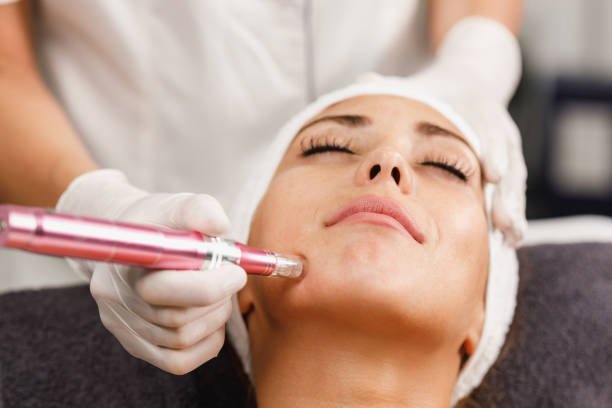
Microneedling is a minimally invasive cosmetic procedure designed to improve skin texture, promote collagen production, and support natural skin renewal. It involves using a specialized device equipped with fine needles that create tiny, controlled channels in the skin. These microchannels activate the body’s natural repair response, encouraging the production of collagen and elastin.
Collagen helps maintain skin firmness, while elastin contributes to flexibility and smoothness. As the skin gradually renews itself, microneedling may help improve the appearance of uneven texture, enlarged pores, fine lines, and certain types of acne scars.
The treatment can be adjusted according to individual skin characteristics. However, sensitive skin requires careful evaluation because its natural protective barrier may be more reactive to physical stimulation. Understanding this distinction helps determine whether the procedure is appropriate and how it should be approached.
Can People With Sensitive Skin Undergo Microneedling?
People with sensitive skin may be suitable candidates for microneedling, provided their skin is healthy enough to tolerate the procedure. Sensitivity alone is not necessarily a reason to avoid treatment. Some individuals experience occasional redness or irritation without having an underlying skin condition, while others have persistent sensitivity associated with a weakened skin barrier.
The difference is important because the treatment approach should reflect the actual condition of the skin. A person with mild sensitivity may be considered for a carefully adjusted procedure, whereas someone experiencing active irritation or inflammation may need to postpone treatment.
An appropriate skin assessment helps identify the level of sensitivity, existing concerns, and potential factors that could affect the treatment experience. This evaluation also helps establish whether microneedling is the right option or whether another skin-rejuvenation approach would be more suitable.
How Does Sensitive Skin Respond to Microneedling?
Sensitive skin may respond differently to microneedling compared with less reactive skin. The controlled needle penetration stimulates the skin’s natural healing process, which can temporarily increase redness and sensitivity. Individuals with delicate skin may notice these changes more prominently, depending on their natural skin characteristics and the intensity of the procedure.
The skin barrier plays an important role in determining how comfortably the skin responds. When this protective layer is functioning properly, it helps maintain moisture and defend against external irritants. However, a compromised barrier may make the skin more vulnerable to stimulation.
For this reason, treatment settings and needle depth should be selected carefully. A personalized approach helps ensure that the procedure is appropriate for the skin’s condition rather than applying the same technique to everyone. The objective is to encourage skin renewal while respecting its natural sensitivity.
What Are the Benefits of Microneedling for Sensitive Skin?
When appropriately selected and performed, microneedling may offer several skin-quality benefits for individuals with manageable sensitivity. One potential advantage is improved skin texture. The collagen-stimulation process can gradually support smoother-looking skin and improve the appearance of uneven areas.
Microneedling may also help reduce the visibility of certain types of acne scars and fine lines. By encouraging natural collagen production, the procedure can contribute to a more refined skin appearance over time. Some individuals may also notice improvements in the appearance of enlarged pores and overall skin smoothness.
However, these benefits depend on the individual’s skin condition and treatment suitability. Sensitive skin does not necessarily respond in the same way as other skin types. A carefully selected treatment plan is important for achieving improvements without placing unnecessary stress on the skin.
Why Is a Skin Assessment Important Before Treatment?
A detailed skin assessment is particularly important for individuals with sensitive skin. It allows the treatment provider to understand whether the sensitivity is occasional, persistent, or associated with another skin concern. This distinction can influence the decision to proceed, modify the procedure, or delay treatment.
During an assessment, the skin’s texture, hydration, barrier condition, and visible signs of irritation may be evaluated. Existing concerns such as redness, dryness, active breakouts, or inflammation should also be considered. Certain conditions, including active eczema, psoriasis, rosacea flare-ups, and skin infections, may make microneedling unsuitable until the condition is properly managed.
An assessment also provides an opportunity to discuss previous experiences with cosmetic treatments and any known reactions to skincare products. This information helps create a more appropriate treatment strategy and establishes realistic expectations about the potential results.
How Can Microneedling Be Adjusted for Sensitive Skin?
Microneedling is not a one-size-fits-all procedure. Several aspects of the treatment can be adjusted according to individual skin characteristics. Needle depth is one of the most important considerations because it determines how deeply the device penetrates the skin. A suitable depth should be selected according to the treatment area, skin thickness, and intended objective.
The intensity and technique may also be modified to accommodate delicate skin. A conservative approach can help avoid unnecessary stimulation while still supporting the intended skin-renewal process. The treatment area and session frequency should likewise reflect the individual’s ability to tolerate the procedure.
Using appropriate equipment and maintaining proper hygiene are essential parts of the treatment process. These considerations help support a controlled procedure and ensure that the skin receives attention according to its specific requirements.
What Should You Expect After Microneedling?
After microneedling, the skin begins its natural recovery and renewal process. Temporary redness and a warm sensation may occur as the skin responds to the controlled stimulation. Individuals with sensitive skin may experience more noticeable temporary changes, making appropriate aftercare particularly important.
The skin generally requires time to restore its protective barrier. During this period, personalized aftercare guidance helps maintain skin comfort and supports the recovery process. It is important to follow the instructions provided for cleansing, moisturizing, and protecting the treated area.
Visible improvements usually develop gradually rather than appearing immediately. Collagen production and skin renewal take time, so changes in texture and firmness may become more noticeable over several weeks. The exact timeline varies according to the individual’s skin condition, treatment intensity, and natural healing response.
When Should Sensitive Skin Avoid Microneedling?
Although microneedling may be appropriate for some sensitive skin types, certain conditions require additional caution. Skin experiencing active inflammation, open wounds, infections, or significant irritation may not be ready for the procedure. Similarly, individuals experiencing an active rosacea or eczema flare-up may need to address the underlying concern before considering treatment.
Persistent redness, unusual skin reactivity, and a noticeably weakened skin barrier should also be evaluated before proceeding. In these circumstances, prioritizing skin health is more important than immediately pursuing cosmetic improvements.
A professional assessment helps determine the appropriate timing and whether an alternative treatment would better match the individual’s needs. Understanding when to delay a procedure is an important part of achieving a comfortable and suitable treatment experience.
Final Thoughts
Microneedling may be suitable for certain individuals with sensitive skin, but careful evaluation and personalized treatment planning are essential. The procedure works by stimulating the skin’s natural renewal process, which can help improve texture, support collagen production, and create a smoother appearance. However, the skin’s sensitivity level, barrier condition, and existing concerns all influence treatment suitability.
A conservative approach, appropriate needle depth, and proper aftercare can help make the procedure more manageable for selected individuals. Rather than assuming that every sensitive skin type can tolerate microneedling, it is important to understand individual requirements and establish realistic expectations. Prioritizing skin health and choosing an appropriate treatment approach can support better long-term skin-quality goals.
FAQs
Is microneedling safe for sensitive skin?
It may be suitable for some individuals with sensitive skin following an appropriate assessment and personalized treatment plan.
Can microneedling improve sensitive skin texture?
Yes, when suitable, it may help improve uneven texture by encouraging collagen production and natural skin renewal.
Does sensitive skin require a different microneedling approach?
Yes, needle depth, treatment intensity, and session frequency may need adjustment according to individual skin characteristics.
How long does sensitive skin take to recover after microneedling?
Recovery varies, but temporary redness and sensitivity generally improve as the skin completes its natural recovery process.
Should microneedling be avoided during skin irritation?
Yes, active irritation or inflammation may make treatment unsuitable until the skin has been properly assessed and stabilized.