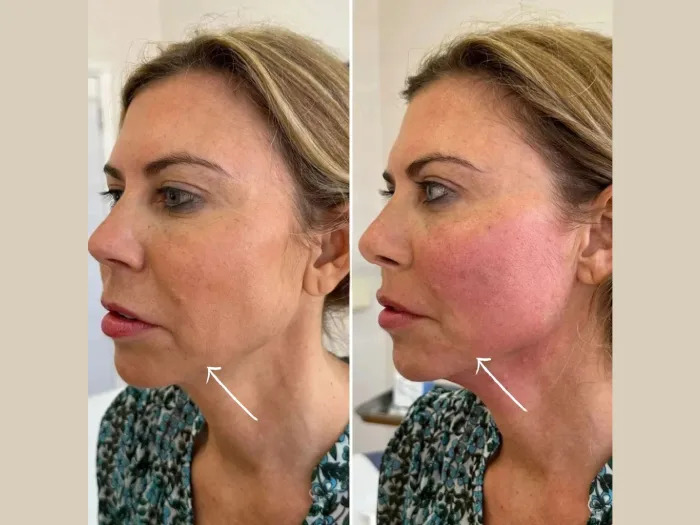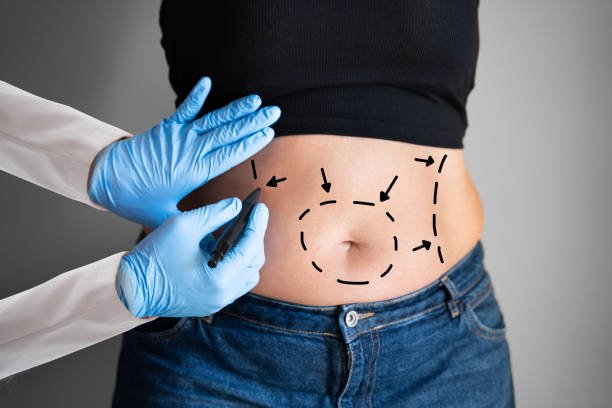
Loose abdominal skin can change the appearance of the midsection, particularly after pregnancy, significant weight loss, or natural changes in skin elasticity. When stretched skin occurs together with localized abdominal fat, addressing only one concern may not provide the desired contour. Lipo abdominoplasty in Abu Dhabi combines liposuction with abdominoplasty to refine selected fat deposits while removing excess abdominal skin. For appropriately selected adults, this combined approach can help create a smoother, flatter, and more defined abdominal profile.
Understanding Loose Abdominal Skin
Loose abdominal skin develops when the skin stretches beyond its ability to fully retract. Pregnancy and major changes in body weight are common reasons for increased skin laxity, while aging can gradually reduce natural elasticity.
The amount of looseness varies from person to person. Some adults may have a small amount of excess skin around the lower abdomen, while others may have more extensive tissue that creates folds or an overhanging appearance.
Loose skin is different from localized fat. Fat occupies space beneath the skin, while excess skin is part of the outer tissue envelope. This distinction is important when considering abdominal contouring.
What Is Lipo Abdominoplasty?
Lipo abdominoplasty combines two complementary techniques: liposuction and abdominoplasty. Liposuction is designed to address selected deposits of localized fat, while abdominoplasty focuses on removing excess abdominal skin and reshaping the remaining tissue.
The combined approach may be relevant when an individual has both loose skin and stubborn abdominal fullness. Instead of treating these concerns as completely separate issues, the procedure can address them as components of the overall abdominal contour.
In appropriate cases, the abdominal wall may also be considered during abdominoplasty when structural changes contribute to abdominal projection.
Is Abdominoplasty Suitable for Loose Skin?
Abdominoplasty is specifically designed to address excess abdominal skin, making it a relevant option when skin laxity is a primary concern. Selected excess tissue can be removed, and the remaining skin can be repositioned to create a smoother abdominal surface.
For adults with substantial loose skin, this can make a significant difference in the appearance of the lower abdomen. The procedure focuses on reshaping the skin envelope rather than simply reducing overall body weight.
The amount of improvement depends on factors such as the quantity of excess skin, elasticity, abdominal structure, and individual proportions.
Why Add Liposuction?
Liposuction becomes relevant when loose skin is accompanied by localized fat. Removing excess skin alone may improve the abdominal surface but leave fullness in areas where fat remains.
Liposuction can refine appropriate deposits of fat beneath the skin, helping create a more streamlined contour. When both fat and skin contribute to the appearance of the abdomen, combining the techniques can provide a more comprehensive approach.
However, liposuction is not a substitute for skin removal. It primarily addresses localized fat rather than significant excess tissue.
Can It Improve a Sagging Lower Abdomen?
A sagging lower abdomen often results from a combination of excess skin, localized fat, and changes in abdominal structure. The lower belly may appear loose or overhanging when stretched skin no longer closely follows the underlying contour.
Abdominoplasty can remove selected excess lower-abdominal skin, while liposuction can address appropriate localized fat. Together, these techniques may create a flatter and smoother lower-belly profile.
The extent of improvement varies depending on the amount of tissue present and the individual’s natural anatomy.
Loose Skin After Pregnancy
Pregnancy can stretch the abdominal skin substantially as the abdomen expands. After childbirth, the skin may not completely return to its previous shape, particularly when stretching has been significant.
Pregnancy can also affect abdominal wall structure and fat distribution. For adults who have completed their desired pregnancies, lipo abdominoplasty may be considered when these changes remain after the body has stabilized.
Future pregnancy plans are an important consideration because another pregnancy can stretch the abdominal tissues again and influence the resulting contour.
Loose Skin After Weight Loss
Significant weight loss can leave excess skin because the skin may not contract fully after the underlying body volume decreases. This can create folds or a hanging lower-abdominal appearance even after reaching a stable weight.
When localized fat also remains, lipo abdominoplasty can potentially address both concerns. Liposuction can refine selected fat deposits, while abdominoplasty removes excess skin and reshapes the abdominal surface.
For this reason, a relatively stable weight is an important consideration before pursuing comprehensive abdominal contouring.
Does Stable Weight Matter?
Yes. Lipo abdominoplasty is intended primarily for contouring rather than weight reduction. A stable body weight provides a more predictable foundation for evaluating loose skin and localized fat.
If significant weight loss is still planned, additional changes in abdominal volume may occur. This could alter the amount of excess skin and fat that ultimately needs to be addressed.
Adults who have maintained a relatively stable weight can generally have their abdominal contour evaluated more accurately.
Can It Improve Waist Definition?
Loose abdominal skin can obscure the natural waistline, particularly when combined with localized fat around the belly and sides. Improving the abdominal contour may therefore enhance the appearance of the waist.
Liposuction can refine selected areas of localized fullness, while abdominoplasty can remove excess skin and smooth the abdominal surface. The combined effect may create a clearer transition between the abdomen and waist.
Natural body proportions remain important. Ribcage width, pelvic structure, skin elasticity, and existing fat distribution all influence how defined the waist can appear.
What About the Abdominal Wall?
The abdominal wall can influence the overall shape of the midsection. Pregnancy and other major changes may affect the positioning of abdominal muscles and connective tissues.
When appropriate, abdominoplasty may address certain structural changes that contribute to abdominal projection. This can complement the removal of excess skin and localized fat.
Not everyone with loose abdominal skin has an underlying structural concern, so the relevance of this aspect varies between individuals.
Who May Be a Good Candidate?
Lipo abdominoplasty may be considered for adults with relatively stable weight who have loose abdominal skin combined with localized fat. It can be particularly relevant after pregnancy or substantial weight loss.
Suitability depends on individual characteristics rather than the presence of loose skin alone. Skin elasticity, abdominal structure, fat distribution, overall physical condition, and personal expectations all influence whether the combined approach is appropriate.
A personalized assessment can help determine whether both liposuction and abdominoplasty are needed to achieve the desired contour.
Can Results Be Long-Lasting?
The removal of selected excess skin creates a lasting change in the amount of abdominal tissue, while liposuction removes targeted fat cells. This means the contouring effects can remain for many years.
However, the body continues to change naturally. Aging, significant weight fluctuations, and future pregnancy can alter the remaining abdominal tissues.
Maintaining a relatively stable weight can help preserve the improved proportions created through contouring.
Setting Realistic Expectations
Lipo abdominoplasty can significantly improve loose abdominal skin when the procedure is appropriately matched to the individual’s concerns. However, it cannot prevent natural aging or completely change the body’s underlying structure.
The goal is generally to create a smoother, flatter, and more proportionate abdomen. The final appearance depends on skin characteristics, abdominal anatomy, fat distribution, and the amount of tissue being addressed.
Understanding that liposuction and abdominoplasty serve different purposes can help adults develop realistic expectations.
The Bottom Line
Lipo abdominoplasty can be an appropriate contouring option for loose abdominal skin when excess skin occurs alongside localized abdominal fat. Abdominoplasty removes selected excess skin and reshapes the abdominal surface, while liposuction refines appropriate areas of localized fullness.
The combined approach may be particularly relevant after pregnancy or significant weight loss. Stable weight, skin elasticity, abdominal structure, and individual proportions all influence suitability and potential results. For appropriately selected adults, lipo abdominoplasty can create a smoother, flatter, and more defined abdominal contour while addressing both loose skin and localized fat.
FAQs
Is lipo abdominoplasty suitable for loose abdominal skin?
It can be suitable when loose abdominal skin occurs alongside localized fat. The abdominoplasty component addresses excess skin, while liposuction focuses on selected fat deposits.
Can liposuction alone remove loose abdominal skin?
No. Liposuction primarily removes localized fat and does not directly remove significant excess skin. Abdominoplasty is the component designed to address surplus abdominal skin.
Can lipo abdominoplasty help after major weight loss?
Yes. Adults who have reached a relatively stable weight but have excess abdominal skin and localized fat may consider this combined contouring approach.
Is it suitable after pregnancy?
It may be considered after pregnancy when loose skin and localized abdominal fat remain. Adults should also consider whether they plan future pregnancies, as another pregnancy can change the abdominal contour.
Can the results of loose-skin removal last?
The selected excess skin that is removed does not simply return, so the contouring change can be long-lasting. Aging, pregnancy, and significant weight fluctuations can still alter the remaining abdominal tissues over time.