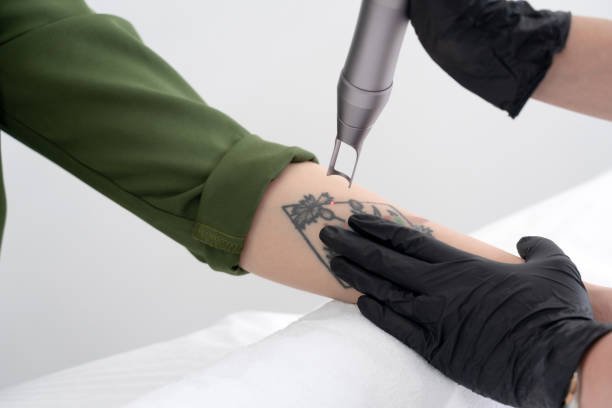
Tattoos can hold personal meaning, represent important memories, or reflect artistic preferences at a particular stage of life. However, as interests and circumstances change, some individuals may decide that they no longer want certain designs on their skin. Older tattoos can raise questions about whether their ink can still be removed effectively and what the treatment process involves. Laser Tattoo Removal in Abu Dhabi provides an approach for addressing unwanted tattoo pigments, including designs that have been present for many years. Although tattoo age can influence how the ink appears within the skin, older designs are not automatically unsuitable for laser removal. Factors such as ink colour, depth, density, and skin characteristics play important roles in determining the potential outcome.
Can Old Tattoos Be Removed With Laser Treatment?
Yes, many older tattoos can be treated using laser technology. In fact, the age of a tattoo does not necessarily prevent it from responding to treatment. Laser tattoo removal works by directing controlled pulses of light toward the tattoo pigments beneath the skin. The energy is absorbed by the ink particles, helping break them into smaller fragments that the body’s natural processes can gradually eliminate.
Over time, some tattoos naturally become lighter as the body slowly processes small amounts of pigment. However, this natural fading does not mean that the remaining ink will disappear completely. Older tattoos may still contain concentrated pigment within the skin, making laser treatment an option for individuals who want further fading or removal. The suitability of treatment depends more on the characteristics of the tattoo than simply how long ago it was created.
How Does Tattoo Age Affect Laser Removal?
The age of a tattoo can influence its appearance and the way its pigment responds to laser treatment. Older designs often have softer outlines, faded colours, or areas where the ink has become less concentrated. These changes may affect how the laser interacts with the remaining pigment.
In some cases, an older tattoo may have already undergone considerable natural fading, which can make certain areas appear less prominent. However, this does not automatically mean that removal will require fewer sessions. Some older tattoos contain deeply deposited or densely packed ink that may take longer to break down.
The original tattooing technique also matters. Ink deposited at different depths can respond differently to laser energy. Therefore, an assessment of the design, its current appearance, and the type of pigment present is more useful than relying on its age alone.
Does Ink Colour Matter When Removing Old Tattoos?
Ink colour is one of the most important considerations during laser tattoo removal. Different pigments absorb light at different wavelengths, meaning that some colours respond more readily to particular laser technologies than others.
Black and dark blue pigments generally respond well to many commonly used laser systems because they absorb laser energy effectively. Other colours, including green, turquoise, yellow, and certain lighter shades, may require different wavelengths and treatment approaches. Their response can vary depending on the specific pigment composition.
Older tattoos may contain colours that have changed in appearance over time. For example, some pigments can become less vibrant or develop different undertones as the tattoo ages. This can influence the choice of laser technology and the expected treatment response. Understanding the colour composition helps establish a more suitable approach for addressing the design.
Can Laser Treatment Remove Deeply Embedded Tattoo Ink?
The depth of tattoo pigment can influence how effectively laser energy reaches the targeted ink. During tattooing, pigments are deposited into the dermis, where they remain for extended periods. Depending on the tattooing technique, some designs may contain ink at varying depths, creating differences in pigment density and appearance.
Laser technology is designed to target pigment particles beneath the skin without intentionally removing the surrounding skin layers. When the laser energy reaches the ink, it breaks larger pigment particles into smaller fragments that the body’s natural elimination processes can gradually clear.
For older tattoos with deeply embedded pigment, multiple treatment sessions may be necessary. The number of sessions depends on the ink distribution, colour, density, and individual response. A detailed evaluation helps determine whether the existing design is suitable for treatment and what level of fading may be achievable.
Are Large and Detailed Old Tattoos Suitable for Removal?
Large and detailed tattoos can also be considered for laser removal. However, their size and complexity may influence the overall treatment plan. A small design containing a single dark colour may require a different approach from a large tattoo featuring multiple shades, intricate patterns, and overlapping pigment.
Detailed designs often contain areas with different ink concentrations. Some sections may fade more quickly than others, creating gradual changes in the overall appearance. Larger tattoos may also need to be divided into treatment areas to ensure an appropriate approach.
The goal is to address the pigment systematically while considering the characteristics of the surrounding skin. Individuals should understand that complete removal is not guaranteed in every case. Depending on the design and ink composition, substantial fading may be a more realistic outcome than total disappearance.
How Many Sessions Are Needed for Old Tattoo Removal?
There is no universal number of sessions required to remove an old tattoo. Treatment frequency and duration depend on several factors, including the tattoo’s size, age, colour, ink density, and depth. Individual skin characteristics and the body’s ability to process fragmented pigment also influence the overall timeline.
Laser tattoo removal is generally performed through multiple appointments rather than a single session. This allows the skin time between treatments and gives the body’s natural processes an opportunity to eliminate smaller ink particles. Gradual fading becomes more noticeable as the treatment progresses.
Older tattoos may already have experienced some natural fading, but this does not guarantee a shorter treatment plan. A professional assessment provides a more realistic estimate based on the actual condition of the design rather than assumptions about its age.
What Should You Expect From the Removal Process?
The process usually begins with an evaluation of the tattoo and the surrounding skin. The treatment provider examines the design’s size, colours, pigment distribution, and overall condition before determining whether laser removal is appropriate.
During the procedure, the laser device delivers controlled light pulses to the targeted tattoo pigment. The sensation and duration of the session depend on the treatment area, equipment, and size of the design. Smaller tattoos may take less time to treat, while larger or more complex designs may require longer appointments.
After each session, the treated pigment gradually becomes lighter as the body processes the fragmented ink. Progress is assessed over time, and subsequent sessions may be planned according to the response of the tattoo. Understanding this gradual process helps establish realistic expectations and prevents the assumption that an old design will disappear immediately.
Is Complete Removal Possible for Every Old Tattoo?
Complete tattoo removal is not always possible, even when the design is several decades old. Some pigments are more resistant to laser energy, while deeply deposited or complex ink combinations may require extensive treatment. Certain tattoos may also retain faint traces of pigment after multiple sessions.
The likelihood of achieving substantial fading depends on the tattoo’s individual characteristics and the technology used. Skin tone and the condition of the treatment area are also considered when selecting an appropriate approach.
For individuals who want to remove an unwanted old design, an initial assessment can help clarify the expected level of improvement. Understanding the limitations of laser treatment is essential for making an informed decision and developing realistic expectations.
Final Thoughts
Laser tattoo removal can be suitable for many old tattoo designs, regardless of whether they were created several years or decades ago. Although tattoo age may influence the appearance and concentration of pigment, factors such as ink colour, depth, density, and design complexity are generally more important when evaluating treatment suitability.
Modern laser technology offers an effective approach to gradually reducing unwanted tattoo pigment. However, the number of sessions and final results vary according to individual circumstances. A thorough assessment and a personalized treatment plan can help determine the most appropriate approach for an older tattoo and establish realistic expectations for the removal process.
FAQs
Can a 20-year-old tattoo be removed?
Yes, many tattoos that are 20 years old or older can be treated with laser technology, depending on their pigment and condition.
Are old tattoos easier to remove than new ones?
Not necessarily. Older tattoos may have naturally faded, but ink depth, colour, and density are more important factors.
Does black ink respond well to laser removal?
Yes, black ink generally responds well because it absorbs laser energy effectively.
How long does it take to remove an old tattoo?
The timeline varies depending on the tattoo’s size, colours, ink density, and individual response to treatment.
Can laser treatment completely remove an old tattoo?
Complete removal may be possible for some tattoos, but others may retain faint traces of pigment after treatment.