Hair shedding can sometimes become more noticeable during particular times of the year, leaving people wondering whether seasonal changes are affecting their normal hair-growth cycle. While some fluctuations in shedding can occur naturally, persistent or increasingly noticeable hair fall may also involve changes in follicular activity. Regenerative treatments such as GFC Treatment for Hair in Abu Dhabi have gained attention for their ability to support existing hair follicles and encourage healthier growth. But is GFC treatment useful for seasonal hair fall? Understanding the relationship between seasonal shedding, follicular health, and growth-factor-based treatment can help clarify when GFC may have a role in supporting healthier-looking hair.
What Is Seasonal Hair Fall?
Seasonal hair fall refers to periods when an individual notices increased shedding at particular times of the year. Hair follicles naturally move through different phases, including active growth, transition, and resting. Because follicles do not all follow the same cycle simultaneously, some periods may involve more noticeable shedding than others.
Seasonal changes in temperature, humidity, daylight exposure, and daily routines may coincide with changes in the hair-growth cycle. For some people, this can result in a temporary increase in visible hair shedding.
However, it is important to distinguish seasonal fluctuations from ongoing hair thinning. If hair density continues to decline or strands become progressively finer, the underlying issue may involve more than a temporary seasonal pattern.
Understanding GFC Treatment for Hair
GFC stands for Growth Factor Concentrate. It is a regenerative treatment that uses concentrated growth factors obtained from a person’s own blood. Growth factors are biological signaling substances involved in cellular communication and tissue-supporting processes.
The prepared concentrate is introduced into selected scalp areas with the goal of supporting existing hair follicles. Rather than adding artificial hair or moving follicles, GFC focuses on the biological environment surrounding the follicles that are already present.
This makes the treatment relevant to concerns involving weakened or less active follicles, although its suitability depends on the reason for hair changes and the condition of the scalp.
How GFC May Support Hair During Increased Shedding
GFC is designed to encourage a supportive environment for existing hair follicles. Growth factors may participate in cellular signaling and regenerative processes that are associated with follicular activity.
When shedding becomes more noticeable, supporting healthy follicular function may be relevant, particularly if the follicles remain viable and capable of producing new hair. GFC may provide targeted biological signals that encourage follicles to remain active during their natural growth cycles.
The purpose is not to stop normal shedding immediately. Shedding is a natural part of the hair cycle, and healthy follicles continuously replace older strands with new growth. Instead, GFC focuses on supporting the follicles responsible for future hair production.
Is Seasonal Hair Fall Always a Reason for GFC?
Not necessarily. A temporary increase in shedding may resolve naturally as the hair-growth cycle changes. GFC is primarily focused on supporting follicular activity, so it may be more relevant when seasonal shedding occurs alongside persistent thinning or reduced hair density.
If the hair returns to its usual density after a temporary period of increased shedding, regenerative treatment may not necessarily be the primary consideration. However, when shedding is accompanied by progressively finer strands or visible reduction in density, assessing follicular health can provide more useful information.
Understanding the difference between temporary shedding and ongoing follicular weakening is therefore important.
GFC and the Natural Hair Growth Cycle
The hair-growth cycle plays a central role in seasonal shedding. During the resting phase, older strands eventually detach from the follicle, allowing the follicle to begin another growth cycle.
GFC does not replace this natural process. Instead, its regenerative approach is intended to support follicles as they continue moving through their normal cycles.
By supporting the biological environment around viable follicles, GFC may encourage healthier activity during future growth phases. This can potentially help maintain the quality and appearance of hair after periods of increased shedding.
When Seasonal Shedding Becomes Noticeable
Many people first recognize seasonal hair fall when they see more strands on their brush, clothing, pillow, or during washing. An increase in shedding does not automatically mean that the follicles are becoming permanently weaker.
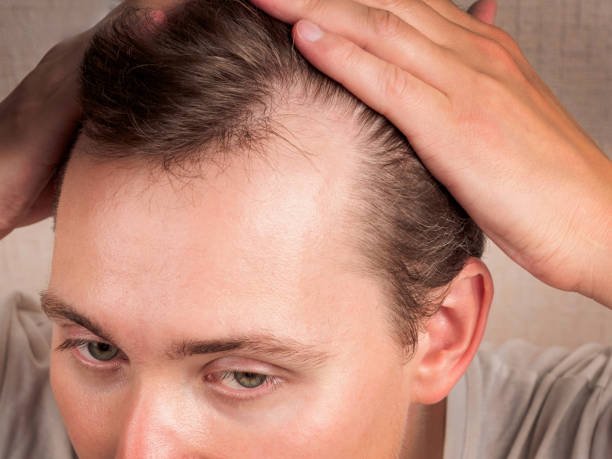
The more significant concern is often a continuing reduction in overall density. If the hair appears progressively thinner after the shedding period or the scalp becomes increasingly visible, the situation may involve a broader pattern of hair thinning.
A professional assessment can help distinguish temporary seasonal shedding from ongoing changes in follicular activity and determine whether a regenerative approach such as GFC is relevant.
Can GFC Support Hair Regrowth After Seasonal Shedding?
GFC may support the follicles responsible for new hair production when viable follicles remain present. Its growth-factor-based approach is intended to encourage cellular activity around these structures.
After a period of increased shedding, follicles naturally enter different stages of the growth cycle. Supporting the follicular environment may help promote healthier-looking new hair as follicles return to active growth.
However, GFC is not designed to create new follicles. Its potential for supporting regrowth therefore depends on the presence and condition of existing hair-producing structures.
GFC for Seasonal Thinning Versus Chronic Thinning
Seasonal shedding and chronic thinning are not necessarily the same. Seasonal shedding may represent a temporary shift in the natural hair cycle, while chronic thinning can involve prolonged changes in follicular activity.
GFC may be more relevant when seasonal shedding occurs alongside an established pattern of thinning. In such situations, the objective is to support follicles that may already be producing finer or weaker strands.
Determining which pattern is present is important because treatment decisions should be based on the underlying hair condition rather than the timing of shedding alone.
Factors That Influence Hair Response
Individual responses to GFC can vary according to the cause and duration of hair changes. Genetics, age, hormonal influences, nutritional factors, scalp condition, and the natural growth cycle can all affect follicular activity.
The number of viable follicles in the affected area is also important. Since GFC works by supporting existing follicles, individuals with active but weakened follicles may have different treatment potential from those with significantly reduced follicular activity.
These factors make personalized evaluation an important part of understanding whether GFC is appropriate.
How Long Does It Take to See Hair Changes?
Hair growth naturally takes time. Even when follicles receive regenerative support, new strands must progress through their growth cycle before changes become visible.
For this reason, GFC should not be viewed as an immediate solution for seasonal shedding. Its potential benefits are connected to future follicular activity and the gradual development of new hair.
Monitoring changes in density, strand quality, and overall hair appearance over time provides a more meaningful way to assess progress.
Can GFC Help Maintain Hair Quality?
Beyond concerns about seasonal shedding, GFC may be considered as a way to support the ongoing activity of existing follicles. Maintaining follicular health can be relevant when hair gradually becomes finer or less dense.
Because genetic and age-related factors can continue influencing hair throughout life, long-term hair management may involve periodic assessment of follicular condition.
When appropriate, maintenance GFC sessions may be considered to provide continued regenerative support. The need for additional treatment varies according to individual circumstances.
Who May Benefit From Considering GFC?
GFC may be worth considering for individuals whose seasonal shedding is accompanied by persistent thinning, reduced density, or weaker hair growth. The treatment is particularly focused on situations where existing follicles remain viable.
People experiencing only a short-term increase in shedding may have a different situation from those whose hair density continues to decline after the seasonal period.
A professional evaluation can help identify the underlying pattern and determine whether GFC aligns with the individual’s hair-growth needs.
Final Thoughts
GFC treatment may be useful for certain individuals experiencing seasonal hair fall, particularly when increased shedding occurs alongside persistent thinning or weakened follicular activity. Its growth-factor-based approach is designed to support existing follicles and encourage healthier hair production during future growth cycles.
Seasonal shedding can be part of the normal hair-growth process, so an increase in hair fall does not automatically mean that treatment is required. The more important consideration is whether hair density remains reduced or follicles appear less productive after the shedding period.
For individuals with viable follicles and ongoing thinning concerns, GFC may provide a targeted regenerative approach to supporting follicular health. Understanding the cause of hair fall and evaluating the condition of existing follicles can help determine whether this treatment is appropriate.
FAQs
Is GFC useful for seasonal hair fall?
GFC may be considered when seasonal shedding occurs alongside persistent thinning or weakened follicular activity.
Can GFC stop seasonal shedding?
GFC is not intended to stop the natural shedding cycle but may support follicles responsible for future hair growth.
Can GFC support regrowth after shedding?
It may support existing viable follicles and encourage healthier-looking new hair as follicles enter active growth phases.
Is seasonal hair fall always permanent?
No. Seasonal shedding can be temporary and may reflect natural changes in the hair-growth cycle.
When should GFC be considered for seasonal hair fall?
It may be considered when increased shedding is accompanied by continuing reduction in hair density or persistent thinning.