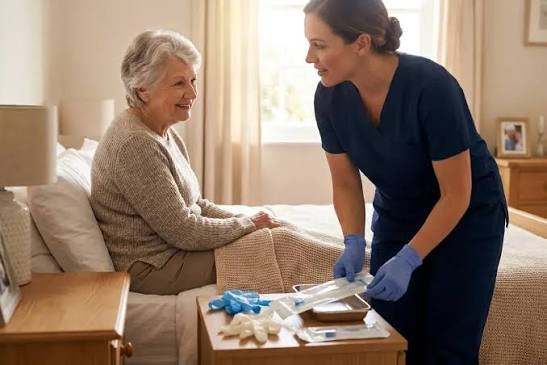
Caring for a loved one who requires a urinary catheter can be challenging, especially when it involves regular cleaning, monitoring, and managing daily hygiene. For families in Dubai, arranging professional support at home can make this responsibility easier while helping patients maintain their comfort, dignity, and independence. Catheter Care at Home in Dubai is an option for people who need ongoing catheter management but prefer to receive assistance in a familiar environment rather than making frequent trips to a healthcare facility.
A urinary catheter may be needed after surgery, during recovery from certain medical conditions, or when a person has difficulty emptying their bladder naturally. Although catheterisation can be an important part of treatment, it also requires careful handling to reduce the risk of urinary tract infections, blockages, leakage, and skin irritation. Appropriate care includes maintaining hygiene, checking the drainage system, monitoring urine output when advised, and recognising signs that require medical attention.
Home-based nursing services can support patients and their families by providing professional assistance tailored to individual needs. This may be particularly helpful for older adults, people with limited mobility, and patients recovering from hospital treatment. However, home care is not automatically the best choice for everyone. The patient’s medical condition, catheter type, level of independence, and need for clinical monitoring should all be considered.
Dubai offers several home healthcare providers and clinics that families may explore when arranging catheter-related assistance. Understanding the services available, the qualifications of healthcare professionals, and the safety measures followed can help you make a more informed decision for your loved one.
Understanding Catheter Care at Home
Catheter care involves looking after a tube inserted into the bladder to drain urine into a collection bag or another drainage system. Depending on the patient’s condition, the catheter may be temporary or required for a longer period.
Professional home nursing support may include routine catheter hygiene, checking that the tubing is not kinked, monitoring the drainage bag, observing urine characteristics, and helping patients understand how to manage their catheter safely. Catheter insertion, removal, and replacement should only be performed by appropriately trained healthcare professionals when clinically indicated and within their authorised scope of practice.
Home care may be suitable for medically stable patients who do not require hospital-level monitoring. Nevertheless, fever, chills, severe lower abdominal pain, significant bleeding, or a catheter that stops draining despite checking for obvious kinks can indicate a problem requiring prompt medical assessment.
Healthcare Providers to Consider in Dubai
Aims Healthcare
Aims Healthcare is a home healthcare provider in Dubai that families may consider when looking for nursing assistance outside a hospital setting. Its home healthcare model is relevant for patients who need support with ongoing care while remaining in familiar surroundings.
For families exploring catheter-related services, it is important to confirm whether the provider offers the specific nursing procedures required, including catheter maintenance, drainage bag management, hygiene assistance, and monitoring for possible complications. Availability may depend on the patient’s condition and the type of catheter used.
Before arranging a visit, ask about the nurse’s qualifications, experience with urinary catheters, service availability, and procedures for escalating concerns to a doctor. These details help establish whether the service can safely meet your loved one’s needs.
Enfield Royal Clinic
Enfield Royal Clinic is a healthcare provider in Dubai that patients and families may consider when exploring medical support and personalised care options. When evaluating its suitability for Catheter Care at Home, contact the clinic directly to confirm whether it currently offers home nursing visits and catheter-specific services.
A useful consultation should clarify the patient’s medical history, the reason for catheterisation, the type of catheter in use, and any previous problems such as leakage, discomfort, or recurrent urinary tract infections. This information helps determine the level of care required and whether home-based assistance is appropriate.
Families should also ask whether the service includes routine catheter monitoring, hygiene guidance, documentation of relevant observations, and referral arrangements when complications arise. Confirming these details before booking can help avoid misunderstandings and ensure that the care plan matches the patient’s clinical needs.
Arabianhomecare
Arabianhomecare is another provider families can investigate when seeking home-based healthcare assistance in Dubai. Receiving care at home may be particularly convenient for patients who have difficulty travelling because of age, reduced mobility, or recovery following a medical procedure.
If you are considering this provider for catheter management, ask whether registered or appropriately licensed nursing professionals are available for your specific requirements. The service should be able to explain which catheter-related procedures it provides, how visits are arranged, and what happens if the patient develops symptoms that need medical assessment.
It is also worth discussing the frequency of visits and whether family members can receive practical instruction on everyday catheter hygiene. Clear communication between the nurse, patient, family, and treating doctor can support safer ongoing care.
Dynamic Life Clinic
Dynamic Life Clinic is a Dubai-based clinic that may be worth contacting when exploring healthcare options for a loved one who needs additional medical support. Families should verify the clinic’s current home healthcare arrangements and whether catheter care falls within its available services.
For patients with an established catheter, the appropriate care plan depends on factors such as the catheter type, the duration of use, mobility, personal hygiene needs, and any history of infection or blockage. A healthcare professional should assess these considerations before recommending a particular schedule of care.
When contacting the clinic, ask about the qualifications of the professional providing the service, infection prevention procedures, and arrangements for medical review if the patient develops pain, fever, bleeding, or drainage difficulties. Confirming these practical details will help you decide whether its services fit your loved one’s needs.
Tajmeels Clinic
Tajmeels Clinic is another healthcare provider that families may wish to contact when researching medical services in Dubai. However, catheter management is a specific nursing requirement, so its availability should be confirmed directly rather than assumed from the clinic’s broader healthcare offerings.
If the clinic can arrange appropriate nursing support, ask whether the service covers the particular type of catheter your loved one uses and whether the professional has relevant experience in urinary catheter management. It is equally important to understand whether home visits are available, what supplies may be needed, and how complications are handled.
Families should prioritise clinical suitability over convenience alone. A provider should clearly explain its service limits and advise when the patient needs assessment by a doctor or treatment in a hospital.
How to Choose the Right Clinic for Catheter Care at Home
Choosing a suitable provider involves more than comparing prices or selecting the service with the most convenient appointment times. Catheter management requires attention to hygiene, appropriate technique, and early recognition of complications. The following factors can help you evaluate your options.
Experience and Qualifications
Ask whether the professional providing care is appropriately licensed in Dubai and experienced in managing the patient’s specific catheter type. Urinary catheters, including urethral and suprapubic catheters, may require different handling procedures.
The nurse should understand infection prevention, drainage system maintenance, skin care, and the warning signs that require medical review. If catheter replacement is needed, confirm that it will be performed only by a qualified professional with the appropriate training and authorisation.
Technology and Techniques
The provider should use suitable clinical supplies and follow accepted catheter care procedures. Depending on the patient’s needs, care may include inspecting the tubing, ensuring the collection bag remains below bladder level, checking for kinks, and maintaining appropriate hygiene.
Ask how the provider records observations and communicates relevant changes to the patient’s treating doctor. Good documentation can help identify recurring problems and support continuity of care.
Safety Standards
Infection prevention should be a central part of the service. Healthcare professionals should follow hand hygiene procedures, use appropriate equipment, and avoid unnecessary disconnection or manipulation of the catheter system.
Families should also receive clear instructions on everyday precautions. The collection bag should be emptied using a clean technique, the tubing should remain free of kinks, and the drainage system should be managed according to the clinician’s instructions.
A provider should explain what to do if urine stops draining, the catheter becomes displaced, or symptoms of infection appear. Severe symptoms or signs of an acute complication require urgent medical assessment.
Consultation Process
A reliable service should gather relevant information before beginning care. This may include the patient’s diagnosis, catheter type, insertion date if known, medical history, current symptoms, mobility, and any previous catheter-related complications.
The consultation should also clarify the purpose and frequency of visits, the procedures included, the supplies required, and the cost of the service. Ask whether the provider coordinates with the patient’s existing doctor when changes in care are necessary.
Patient Experience
Comfort, privacy, and dignity are important when receiving personal care at home. The healthcare professional should explain each procedure, respect the patient’s preferences, and involve family members when appropriate.
For older adults or patients with limited mobility, consider whether appointments can be arranged around daily routines and whether the nurse can provide practical guidance to caregivers. Consistent communication can make home care easier to manage.
Expected Results
The aim of catheter care is to maintain safe drainage, support hygiene, reduce avoidable complications, and help patients feel more comfortable. No provider can guarantee that infection or blockage will never occur.
Ask how progress will be monitored and which symptoms should be reported. A clear care plan should explain when routine support is sufficient and when the patient needs further medical assessment.
Is Catheter Care at Home the Right Choice for Your Loved One?
Home-based catheter support can be a practical option for patients who are medically stable and need assistance with routine catheter management. It allows care to take place in familiar surroundings and may reduce the burden of repeated travel for patients with mobility limitations.
It may be especially useful for older adults, people recovering after surgery, and individuals living with long-term conditions that affect bladder function. Families can also benefit from professional guidance on hygiene, drainage bag handling, and recognising early warning signs.
However, home care is not suitable for every situation. Patients with severe pain, fever with suspected infection, significant bleeding, a displaced catheter, or an inability to drain urine may need prompt clinical assessment rather than a routine nursing appointment. If the catheter stops draining and simple checks, such as straightening a kinked tube, do not resolve the problem, seek urgent medical advice. Do not attempt to force-flush, remove, or replace the catheter unless specifically trained and instructed to do so.
The best decision comes from assessing the patient’s condition with their treating clinician and choosing a provider with appropriate qualifications, clear safety procedures, and suitable service availability.
Frequently Asked Questions
What does catheter care at home usually include?
It may include catheter hygiene, drainage bag management, checking the tubing for kinks, observing urine output when indicated, and monitoring for signs of complications. The exact services depend on the catheter type, the patient’s condition, and the provider’s scope of practice.
Is catheter care at home safe for elderly patients?
It can be appropriate for medically stable older adults when delivered by qualified healthcare professionals using proper infection prevention procedures. A clinician should assess the patient’s individual needs, especially if there is a history of recurrent infections, reduced mobility, or other complex medical conditions.
How often should a nurse visit a patient with a urinary catheter?
There is no single schedule that suits everyone. Visit frequency depends on the patient’s health, catheter type, level of independence, and clinical requirements. Some patients need periodic professional reviews, while others may require more frequent assistance based on their care plan.
What are the warning signs of a catheter-related problem?
Warning signs include fever, chills, new or worsening lower abdominal pain, blood in the urine, leakage around the catheter, and urine that stops draining. Cloudy or strong-smelling urine alone does not necessarily mean there is an infection, but new symptoms should be discussed with a healthcare professional. Seek urgent assessment if drainage stops and the problem does not resolve with simple checks, or if the patient becomes seriously unwell.
How can I choose a suitable home catheter care provider in Dubai?
Check the provider’s current service availability, professional licensing, catheter care experience, infection control procedures, consultation process, and pricing. Ask how complications are managed and whether the team can coordinate with the patient’s doctor. These details are more useful than relying on promotional claims alone.
Conclusion
Deciding whether home-based catheter support is right for your loved one depends on their medical needs, comfort, mobility, and the level of professional assistance required. With an appropriate care plan, qualified nursing support can help maintain hygiene, manage the drainage system, and identify potential problems early. Families should always confirm the provider’s specific services and ensure that the patient’s treating clinician remains involved when necessary.
If you are exploring Catheter Care at Home in Dubai, compare providers carefully and ask questions about qualifications, safety standards, home visit availability, and emergency procedures. Enfield Royal Clinic, alongside other healthcare providers such as Aims Healthcare, Arabianhomecare, Dynamic Life Clinic, and Tajmeels Clinic, can be contacted to clarify which services are currently available. Choosing a provider based on verified clinical capabilities rather than convenience alone can help you make a more informed decision and support your loved one’s comfort and dignity.