
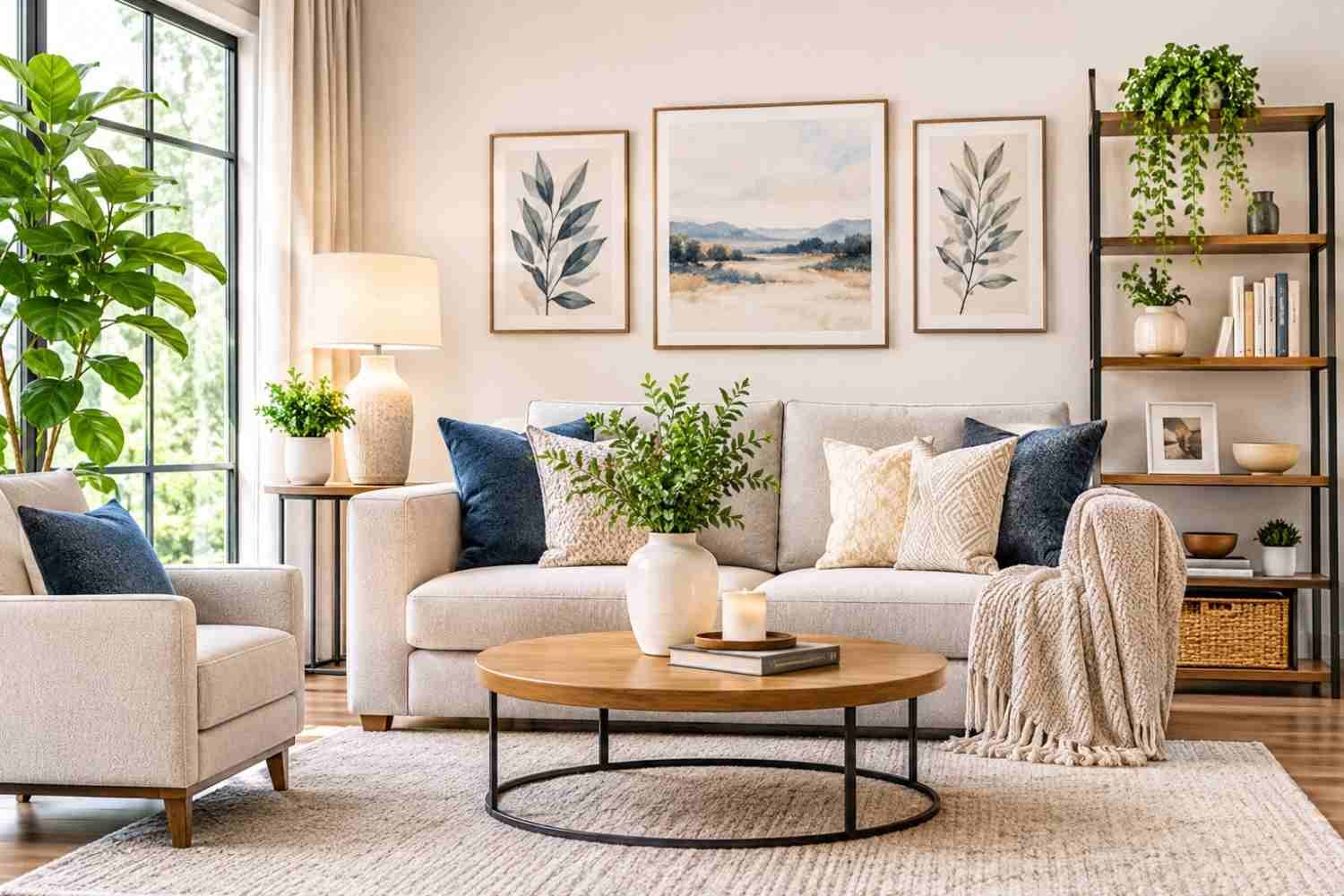
A beautiful home is not just about expensive furniture, attractive decorations, or the latest design trends. It is about creating a space that looks inviting, feels comfortable, and supports the way you live every day. Good interior design brings together style, comfort, and practical planning so that every room has a clear purpose.
Whether you are decorating a new home or updating your current space, thoughtful choices can make a noticeable difference. The right color palette, well-sized furniture, good lighting, and organized storage can improve how your home looks and works.
Here are some practical interior design ideas to help you create a home that feels balanced, personal, and easy to enjoy.
1. Choose a Clear Interior Design Style
Before buying furniture or selecting decorative accessories, think about the overall look you want for your home. A clear design direction helps different rooms feel connected instead of looking like separate spaces with unrelated styles.
Some popular styles include:
- Modern interior design: Clean lines, simple furniture, open layouts, and a balanced mix of materials.
- Minimalist design: A simple approach that focuses on useful furniture, uncluttered rooms, and fewer decorative items.
- Contemporary design: A flexible style that reflects current design preferences through updated shapes, finishes, and colors.
- Traditional design: Classic furniture, detailed finishes, rich materials, and familiar decorative elements.
- Scandinavian design: Light colors, natural materials, simple furniture, and a comfortable atmosphere.
- Industrial design: Exposed materials, metal details, wood finishes, and practical furniture.
You do not have to follow one style strictly. Different influences can work together when they share similar colors, materials, or shapes. For example, modern furniture can look comfortable with natural wood, soft fabrics, and warm lighting.
The important thing is to decide on a general direction before making major design purchases.
2. Select a Balanced Color Palette
Color affects the atmosphere of a room and influences how its different elements work together. A carefully selected palette can make a space feel calm, bright, warm, or more expressive.
Neutral shades such as white, beige, cream, and gray are useful starting points. They create a flexible background that works with different furniture styles and decorative details.
You can introduce stronger colors through:
- Cushions and throws
- Rugs and curtains
- Artwork and decorative objects
- Accent walls
- Upholstered furniture
- Plants and natural accessories
A practical approach is to choose one main color, one or two supporting shades, and a smaller accent color. This creates variety without making the room feel visually crowded.
Also consider the room’s natural light. A color may look different in a bright room than it does in a space with limited daylight. Test paint samples on the wall and observe them at different times before making a final decision.
3. Choose Furniture That Fits Your Lifestyle
Furniture should look attractive, but its size, comfort, and usefulness matter just as much. A large sofa may look impressive in a showroom but can make a small living room difficult to move around in.
Start by measuring the room before purchasing major pieces. Consider doorways, walking paths, windows, and the space needed to open cabinets or drawers.
When selecting furniture, think about:
- How many people regularly use the room
- What activities take place there
- How much storage is needed
- Whether the furniture is comfortable for everyday use
- How each piece fits with the room’s proportions
In smaller homes, multifunctional furniture can be especially helpful. Storage beds, extendable dining tables, nesting tables, and sofas with built-in storage can make better use of limited space.
The goal is not to fill every corner. It is to choose pieces that support daily activities while leaving enough room for comfortable movement.
4. Use Lighting to Improve Every Room
Lighting is an important part of home interior design because it affects both the appearance and function of a space. Even a well-furnished room can feel uncomfortable if it is too dark or relies on one harsh ceiling light.
A balanced lighting plan combines different sources:
- Natural lighting: Use windows and suitable window treatments to bring daylight into the room.
- General lighting: Ceiling lights provide overall illumination.
- Task lighting: Table lamps, reading lights, and under-cabinet lights help with specific activities.
- Accent lighting: Decorative or focused lighting highlights artwork, architectural details, and selected features.
Think about how each room is used. A kitchen needs practical lighting for food preparation, while a bedroom benefits from softer lighting for a relaxed atmosphere.
Warm lighting can make living areas feel welcoming. Brighter, more focused lighting is useful where people read, work, cook, or complete detailed tasks.
Whenever possible, use separate lighting controls so you can adjust the atmosphere without relying on one setting throughout the day.
5. Add Personal Details That Make the Home Feel Unique
A well-designed home should reflect the people who live in it. Without personal details, even an attractive interior can feel incomplete or impersonal.
Artwork, family photographs, books, plants, travel keepsakes, and meaningful decorative objects can give a room character. These details also help create a connection between the design and the people using the space.
However, accessories should be selected with care. Too many small objects can make shelves, tables, and countertops look cluttered.
Try grouping a few items together and leaving some open space around them. You can also vary their heights, shapes, and textures to create visual interest.
Plants are another simple way to introduce color and natural texture. Choose varieties that suit the available light and the amount of care you can provide.
The best personal details are the ones that have meaning and fit naturally into the room.
6. Make Storage Part of the Design
Storage is not just a practical feature. It also affects how attractive and comfortable a home feels. When everyday items do not have a proper place, clutter can quickly take over surfaces and reduce usable space.
Plan storage according to what each room needs. For example, a living room may need cabinets for electronics and books, while a bedroom may benefit from wardrobes, drawers, and under-bed storage.
Useful home decor ideas for better organization include:
- Built-in cabinets that use available wall space
- Shelves for books and selected decorative pieces
- Baskets for everyday items
- Furniture with hidden storage
- Drawer organizers for smaller belongings
- Entryway storage for shoes, bags, and keys
Try to keep frequently used items easy to reach and store less-used belongings in less accessible areas.
Storage should also match the design of the room. Cabinet finishes, handles, shelves, and baskets can contribute to the overall appearance instead of looking like separate additions.
7. Create Comfortable and Practical Living Areas
The living room often serves several purposes. It may be a place to relax, watch television, read, entertain guests, or spend time with family. Its layout should make these activities comfortable.
Arrange seating so people can talk easily and move around without squeezing between furniture. A rug can help define the seating area, while a coffee table provides a useful surface for everyday items.
For effective living room design, consider the relationship between the sofa, chairs, television, windows, and main walking paths. Avoid placing furniture in a way that blocks natural light or makes the room difficult to use.
Comfort also comes from choosing suitable fabrics and finishes. Consider how much maintenance they require, especially in homes with children or pets.
A living room does not need a large number of decorative pieces to feel complete. A thoughtful furniture arrangement, suitable lighting, and a few personal details can create a welcoming space.
8. Avoid Common Interior Design Mistakes
Some design decisions may look appealing individually but create problems when used together. Paying attention to a few common mistakes can help you make better choices.
Buying furniture before measuring: Always check room dimensions and furniture measurements before purchasing large items.
Using too many colors: A crowded color palette can make a room feel disconnected. Choose a few shades that work well together.
Ignoring lighting: One ceiling fixture may not provide enough light for every activity. Include different lighting sources.
Overdecorating: Too many accessories can reduce visual balance and make cleaning more difficult.
Choosing appearance over comfort: Furniture should support everyday use, not just look attractive.
Forgetting storage: Without enough storage, even a carefully decorated room can become cluttered.
A successful design is not about following every trend. It is about making decisions that suit the room, the household, and the way the space will be used.
Frequently Asked Questions
1. What are the most important elements of good interior design?
The main elements include a suitable layout, balanced colors, functional furniture, effective lighting, useful storage, and personal details. These features work together to create a comfortable and attractive home.
2. How can I make a small home look more spacious?
Choose furniture that fits the room, keep walking paths clear, use suitable storage, and avoid too many decorative items. Light colors and good natural lighting can also help a space feel more open.
3. Which colors are best for home interiors?
White, beige, cream, and gray are versatile choices because they work with many furniture styles. You can add stronger shades through accessories, artwork, rugs, or selected furniture pieces.
4. How can I improve the lighting in my home?
Combine natural light with ceiling fixtures, floor lamps, table lamps, and task lighting. Choose the type and brightness of lighting according to the activities that take place in each room.
5. How do I keep my home stylish without creating clutter?
Use practical storage, limit decorative accessories, and give everyday belongings a designated place. Display a few meaningful items rather than filling every available surface.
Conclusion
Creating a beautiful and functional home starts with thoughtful decisions. A clear design style, balanced color palette, practical furniture, suitable lighting, personal accessories, and well-planned storage can make a home more comfortable and visually appealing.
You do not need to change everything at once. Start with the areas that affect your daily routine most, then make improvements as your needs and budget allow. By focusing on both appearance and function, you can create a home that feels welcoming, organized, and suited to everyday life.