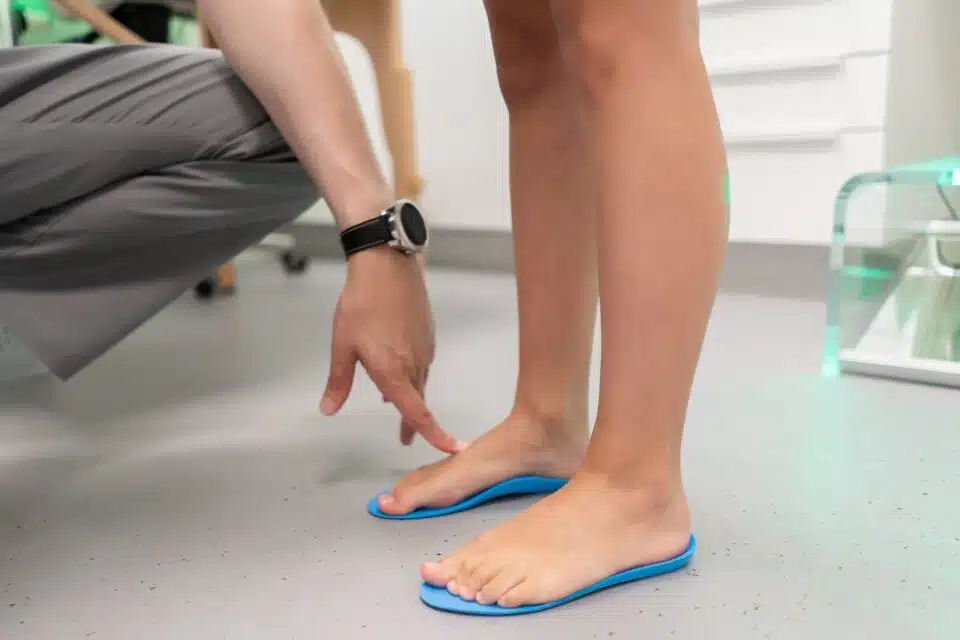
Most people only think about insoles after their feet already hurt — a long shift standing, a marathon training block, or a pair of otherwise great shoes that just never quite felt right underfoot. The truth is that the factory insole in most shoes is a generic, thin placeholder, not something engineered for your foot or your activity. Swapping it out is one of the cheapest, highest-impact upgrades you can make to any pair of shoes you already own.
Here’s how to actually pick the right one instead of grabbing whatever’s cheapest at the counter.
Why the Stock Insole in Your Shoes Isn’t Enough
Manufacturers build shoes to fit as many foot shapes as possible at the lowest cost, which means the insole that ships inside is almost always flat, thin, and made from basic foam with little to no arch support. That’s fine for occasional wear. It falls apart — literally and functionally — under long hours on your feet, repetitive impact from running or walking, or any existing foot pain.
The two problems stock insoles create most often are:
- Lack of arch support, which lets the foot roll and puts extra strain on the heel and ball of the foot
- Flat, unshaped cushioning, which compresses quickly and stops absorbing shock within a few months of regular wear
Everyday Insoles: Built for All-Day Comfort
If your main issue is standing or walking for long stretches — retail work, nursing shifts, warehouse floors, or just being on your feet all day — you need an insole designed around sustained comfort rather than athletic performance. That usually means a breathable top layer (so feet don’t overheat by hour six), moderate arch support, and cushioning that holds up under constant, repeated weight rather than short bursts of impact.
Walter’s everyday insoles are built specifically around this use case — a breathable cotton terry top layer over foam cushioning, with anti-microbial protection that matters when a shoe is worn for eight-plus hours at a stretch, day after day.
Performance Insoles: Built for Impact and Movement
Running, gym training, and high-impact sports put a different kind of stress on the foot — repeated, sharp impact rather than steady, sustained weight. Insoles for this use case need denser shock-absorbing materials, more structured arch support to control foot motion during push-off, and often a slightly firmer base so energy transfers efficiently instead of getting absorbed into soft foam that just compresses flat.
For anyone training regularly or dealing with foot fatigue after workouts, Walter’s performance insoles are designed with that higher-impact use case in mind, rather than the all-day-comfort profile of a standard insole.
How to Actually Choose Between the Two
Ask what the shoe is actually being used for most of the time:
- Standing or walking most of the day (retail, healthcare, hospitality, warehouse work) → everyday insoles
- Running, gym sessions, or sport-specific training → performance insoles
- General daily wear with occasional foot soreness → start with everyday insoles; they’re built for consistent, moderate demand
It’s worth noting that insoles are shoe-specific to a point — a bulky performance insole crammed into a narrow dress shoe will feel worse, not better, if it doesn’t leave room for your foot. Always check that an insole is trimmable or sized correctly for the shoe it’s going into.
Insoles Aren’t Just for Foot Pain
A properly cushioned insole reduces strain that would otherwise travel up into the knees and lower back over the course of a long day — this is a big part of why podiatrists recommend upgrading insoles even for people without diagnosed foot conditions. For anyone who wants a broader comfort upgrade beyond insoles alone, Walter’s Shoe Comfort Kit adds heel cushions, ball-of-foot gel support, and anti-slip grip pads — useful for shoes that fit slightly loose or for feet that need extra support in specific spots rather than across the whole foot.
When to Replace an Insole
Even a good insole compresses over time. As a general rule:
- Everyday insoles: replace every 6–12 months with regular wear
- Performance insoles: replace every 3–6 months if used for frequent training, since impact compresses cushioning faster
- Any insole: replace sooner if you notice flattened cushioning, visible wear, or the return of foot discomfort that had previously gone away
The right insole isn’t about spending more — it’s about matching the support to what your feet are actually doing all day. Get that match right, and it’s often the single most effective change you can make to how a pair of shoes actually feels.