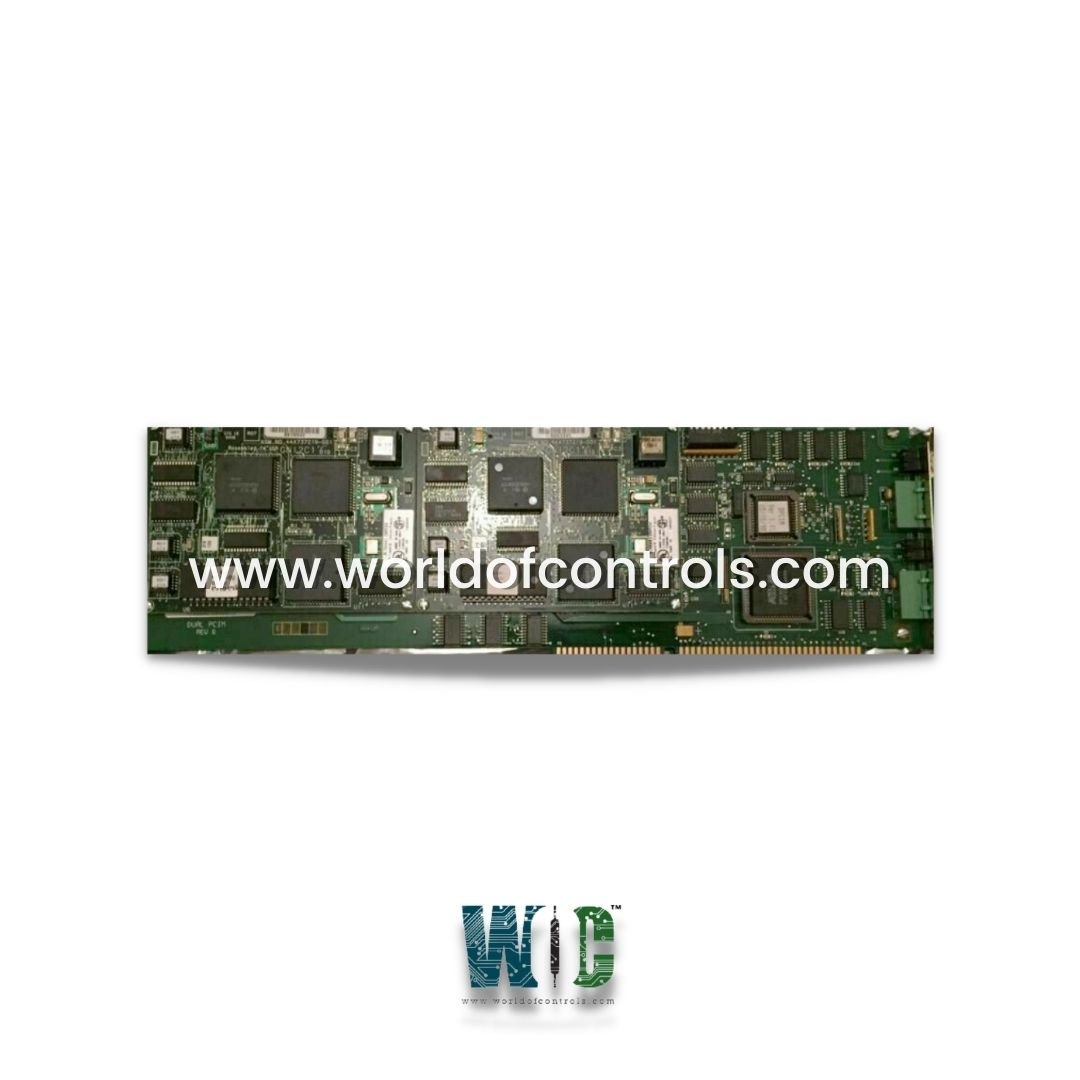
In today’s turbine industry, seamless communication between control systems and hardware is essential for maximizing performance and ensuring operational safety. One key technology that supports this connectivity is GE’s ISA Interface Card. This article explores how this interface card improves automation connectivity in turbines, enabling precise control and monitoring.
What is an ISA Interface Card?
An ISA (Industry Standard Architecture) Interface Card is a hardware component that facilitates communication between a computer’s central processing unit (CPU) and peripheral devices. Within industrial automation systems, ISA cards provide a reliable pathway for data exchange between controllers and various field devices such as sensors and actuators.
GE’s ISA Interface Card is engineered to meet the demands of industrial environments, offering robust and stable communication essential for real-time control and monitoring applications.
The Role of GE’s ISA Interface Card in the Turbine Industry
Turbines—whether gas, steam, or wind—rely heavily on sophisticated automation systems to monitor critical parameters like temperature, pressure, vibration, and rotational speed. These systems must communicate rapidly and accurately with numerous sensors and control modules.
GE’s ISA Interface Card acts as a crucial bridge between the control system’s CPU and input/output modules. It ensures continuous, high-speed data transfer, allowing turbine operators to maintain precise control and respond quickly to changing conditions.
Key Functions in Turbine Automation:
- Real-time Data Acquisition: The interface card supports rapid collection of operational data from multiple sensors, enabling instant system response.
- Accurate Control Commands: It transmits control signals effectively to actuators, ensuring turbines operate within designated parameters.
- Early Fault Detection: Continuous data flow facilitated by the interface card helps in identifying issues before they escalate, minimizing downtime and repair costs.
Key Features and Benefits
Rugged Industrial-Grade Design
Designed for harsh operating conditions, GE’s ISA Interface Card withstands high temperatures, vibrations, and electrical noise—common challenges in turbine environments.
Broad Compatibility
The card supports various communication protocols, allowing seamless integration with existing turbine control systems and peripheral devices, including legacy hardware.
High Performance and Reliability
With efficient data handling and low latency, the interface card enhances overall system responsiveness, improving turbine control precision.
Simplified Maintenance
Reliable operation and diagnostic capabilities reduce troubleshooting time, allowing for faster maintenance and less operational disruption.
Why Improving Automation Connectivity Matters
Connectivity in automation is fundamental to turbine efficiency and safety. Reliable communication enables control systems to react swiftly to sensor inputs and adjust operations accordingly. Without such connectivity, turbines risk inefficiency, premature wear, or even catastrophic failures.
By utilizing GE’s ISA Interface Card, turbine operators achieve:
- Seamless System Integration: Smooth communication between control units and peripheral devices, even in mixed-technology environments.
- Enhanced System Uptime: Reduced communication errors lead to fewer unexpected outages.
- Scalability and Flexibility: Supports future system upgrades without requiring complete hardware overhauls.
Conclusion
In turbine automation, where precision and reliability are critical, GE’s ISA Interface Card stands out as a vital component for improving connectivity. Its robust design and compatibility enable reliable, high-speed communication between control systems and field devices, ensuring turbines operate safely and efficiently.
For engineers and plant operators, leveraging this interface card means better system performance, reduced downtime, and more effective turbine management.