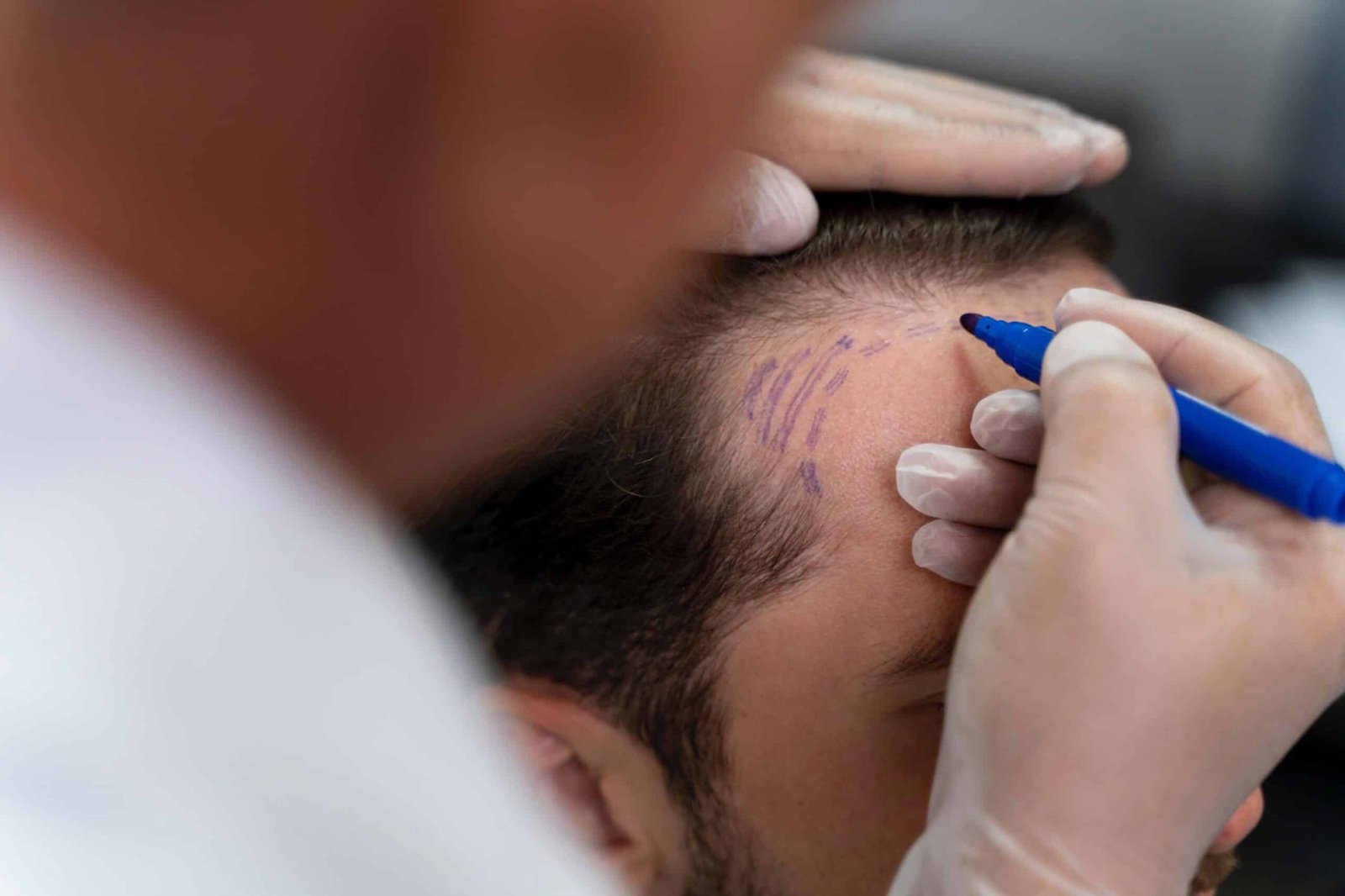
Choosing the right hair transplant in Islamabad specialist is one of the most important decisions when considering hair restoration. Hair transplantation is a medical procedure that requires proper planning, surgical expertise, and an understanding of hair growth patterns. The specialist you select can influence your treatment approach, hairline design, donor hair management, and overall results. Before making a decision, it is important to evaluate the surgeon’s qualifications, experience, available techniques, consultation process, and patient care standards.
Understand the Specialist’s Qualifications and Experience
The first step is to check the qualifications of the professional who will perform your hair transplant. Hair restoration involves surgical skills, knowledge of scalp anatomy, and an understanding of hair follicle growth. A qualified medical professional should have relevant training and experience in hair restoration procedures.
When evaluating a specialist, consider:
- Medical qualifications: Check their medical degree, postgraduate training, and relevant surgical credentials.
- Hair restoration experience: Ask how long they have been performing hair transplant procedures.
- Professional expertise: Understand their experience with different hair loss patterns and treatment requirements.
- Surgical involvement: Confirm who will perform the critical stages of the procedure rather than assuming the advertised specialist handles everything.
Experience is important, but it should be supported by appropriate credentials, transparent communication, and consistent clinical standards.
Explore Different Hair Transplant Techniques
Not every hair transplant technique is suitable for every individual. The specialist should explain the available procedures and recommend an approach based on your hair loss condition, donor area, and restoration goals.
Common hair transplant techniques include:
Follicular Unit Extraction (FUE): This technique involves extracting individual hair follicles from the donor area and implanting them into areas affected by hair loss. It generally avoids a long linear scar, although small extraction marks may remain.
Follicular Unit Transplantation (FUT): This method involves removing a strip of scalp tissue from the donor area, from which individual follicular units are prepared for transplantation. It generally leaves a linear scar.
Direct Hair Implantation (DHI): This approach uses an implanter device to place prepared hair follicles into the recipient area. Its suitability depends on the patient’s condition and the surgeon’s assessment.
Before selecting a technique, ask the specialist to explain its benefits, limitations, recovery requirements, and suitability for your particular situation.
Evaluate Hairline Design and Donor Area Management
A successful hair transplant is not simply about placing more hair on the scalp. It requires careful planning to create a natural-looking appearance while preserving the donor area’s long-term potential.
The donor area, usually located at the back and sides of the scalp, contains follicles that may be used for transplantation. However, the available supply is limited. Removing too many grafts can affect the appearance of the donor area and reduce options for future procedures.
A responsible specialist should evaluate:
- Donor hair density and follicle quality.
- The pattern and progression of hair loss.
- Existing hairline and facial proportions.
- The number of grafts reasonably required.
- Future hair loss and possible restoration needs.
Hairline design should consider age, facial structure, natural hair growth direction, and realistic expectations rather than following a one-size-fits-all approach.
Review Before-and-After Results Carefully
Before selecting a hair transplant specialist, review photographs of previous patients. These examples can help you understand the professional’s approach to hairline design, density, and overall restoration planning.
However, do not judge results based on photographs alone. Lighting, camera angles, hairstyles, and image editing can influence how results appear.
During your consultation, ask:
- Are these photographs from actual patients?
- How long after surgery were the photographs taken?
- Do the examples represent patients with hair loss similar to yours?
- Can you see results from different hair restoration cases?
Hair transplant growth takes time. Final results commonly develop over approximately 9–12 months, although the timeline varies depending on the individual and treatment.
Understand the Consultation and Treatment Plan
A detailed consultation helps determine whether you are a suitable candidate for hair transplantation. The specialist should examine your scalp, assess your donor area, discuss your medical history, and understand your expectations.
A professional consultation should include:
- Assessment of hair loss pattern and possible causes.
- Examination of donor and recipient areas.
- Discussion of suitable treatment techniques.
- Estimated graft requirements and limitations.
- Explanation of potential risks and recovery.
- A realistic treatment and follow-up plan.
Be cautious of specialists who guarantee a particular density or promise immediate results without properly examining your scalp. Hair transplantation is a medical procedure, and outcomes can vary.
Compare Safety Standards, Hygiene, and Aftercare
Clinical safety should be a priority when selecting a hair transplant specialist. The procedure should take place in an appropriately equipped clinical environment with suitable infection-control practices and trained medical staff.
Ask about the clinic’s surgical protocols, emergency arrangements, and the responsibilities of the medical team.
Aftercare is equally important because the transplanted follicles need time to heal and grow. Your specialist should provide clear instructions regarding:
- Scalp washing and hygiene.
- Sleeping positions during initial recovery.
- Physical activities and exercise restrictions.
- Medication and prescribed products.
- Follow-up appointments and progress monitoring.
A reliable clinic should remain available to address concerns during recovery rather than ending communication immediately after surgery.
Consider Transparency in Pricing and Expectations
Hair transplant costs can vary according to the technique, graft requirements, medical team, and clinical facilities. However, the lowest price should not be the only deciding factor.
Request a clear treatment estimate and understand what is included. Ask whether consultation, medication, follow-up visits, and post-procedure care are covered.
A trustworthy specialist should explain both the expected benefits and possible limitations. These may include temporary shock loss, swelling, infection, scarring, uneven growth, or the need for additional treatment.
Why Clinic Selection Matters in Islamabad
When exploring hair restoration options, patients should look beyond promotional offers and focus on medical expertise, consultation quality, treatment transparency, and patient support. SKN Cosmetics in Islamabad is an option patients can explore when researching hair restoration services. Before proceeding, individuals should arrange a consultation to understand the available techniques, specialist qualifications, donor-area assessment, expected graft requirements, and aftercare arrangements.
Comparing clinics and asking detailed questions can help patients make an informed decision. The right choice should be based on professional assessment and realistic treatment planning rather than marketing claims alone.
Frequently Asked Questions
Q1. How do I choose a qualified hair transplant specialist?
Check medical qualifications, surgical experience, patient results, and consultation standards.
Q2. Which hair transplant technique is best?
FUE, FUT, and DHI have different benefits. The suitable option depends on your individual condition.
Q3. How long does a hair transplant take to show results?
Visible growth develops gradually, with fuller results commonly appearing around 9–12 months.
Q4. Is a hair transplant a permanent solution?
Transplanted follicles can provide long-lasting results, but existing hair may continue thinning.
Q5. Why is donor area assessment important?
It helps determine available grafts and prevents excessive extraction that could affect future options.
Final Thoughts
Selecting a hair transplant specialist requires careful research, realistic expectations, and a clear understanding of the procedure. From checking medical credentials and comparing techniques to reviewing patient results and evaluating aftercare, every step matters. A thorough consultation can help you understand your suitability and available options. Ultimately, choosing a qualified specialist who prioritizes patient safety, natural hairline design, and long-term planning is an important step towards making a confident hair restoration decision.