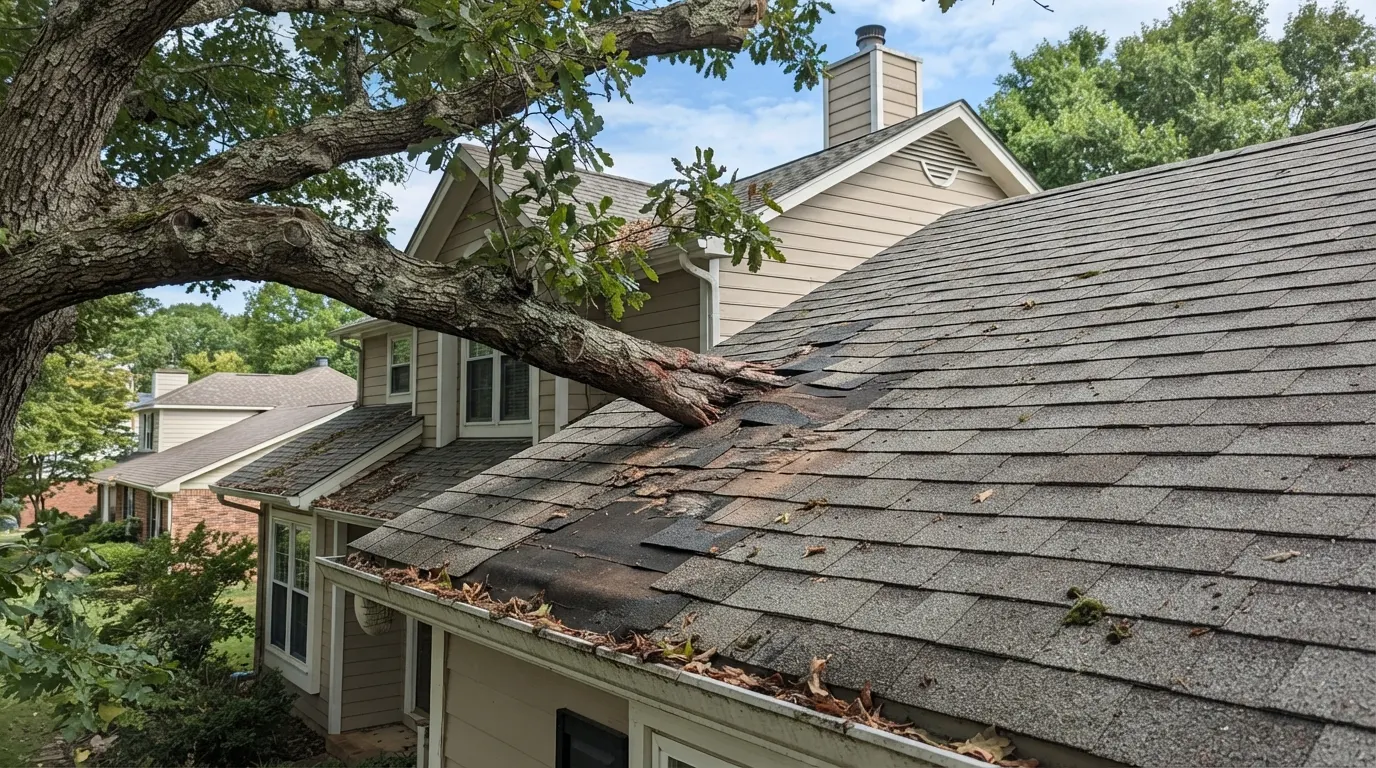
Your roof protects your home from rain, wind, sunlight, snow, and other outdoor elements. However, one potential threat often goes unnoticed until visible damage appears: overhanging tree branches. While trees provide shade, improve curb appeal, and make outdoor spaces more enjoyable, branches growing too close to your roof can gradually weaken roofing materials and create expensive maintenance problems.
Many homeowners assume that tree branches only become a concern during storms when strong winds can break limbs and send them crashing onto the roof. However, even small branches that regularly touch the roofing surface can cause damage over time. Constant rubbing, falling leaves, trapped moisture, and unwanted debris can slowly affect shingles, flashing, gutters, and other important roofing components.
Understanding how trees affect your roof can help you recognize early warning signs and take preventive action. Just as homeowners pay attention to details when planning home improvement projects such as Ceramic Tile Installation in Orangeburg, maintaining a safe distance between trees and roofing materials is an important part of protecting the overall condition of your property.
1. Continuous Branch Movement Can Wear Down Roofing Materials
One of the most common ways tree branches damage a roof is through repeated physical contact. Even when branches appear harmless, they can move back and forth whenever the wind blows.
Over time, this constant movement can gradually wear down roofing materials.
Scratches and Surface Damage
Branches rubbing against asphalt shingles, metal roofing, or other materials can create scratches and surface abrasions. Although these marks may initially seem minor, repeated friction can remove protective granules from asphalt shingles or damage protective coatings on metal surfaces.
Once the outer protective layer becomes compromised, roofing materials may become more vulnerable to sunlight, moisture, and temperature changes.
Loosened or Damaged Shingles
Larger branches can catch the edges of shingles, especially during windy conditions. Repeated movement may lift shingle edges, loosen fasteners, or weaken the adhesive strips that help keep shingles in place.
Eventually, damaged shingles can allow water to penetrate the roofing system.
Homeowners should periodically check areas beneath overhanging branches for missing granules, lifted shingle edges, scratches, or other unusual changes.
2. Falling Branches Can Cause Unexpected Structural Damage
Even healthy-looking trees can lose branches because of strong winds, heavy rain, snow, or internal decay.
When branches fall onto a roof, the impact can range from minor cosmetic damage to serious structural problems.
Cracked and Broken Roofing Components
Small branches may crack individual shingles or damage roof tiles. Larger limbs can break multiple roofing sections, damage ridge caps, and create openings that allow rainwater to enter.
Depending on the force of impact, falling branches may also damage roof decking underneath the visible roofing materials.
Damage to Gutters and Roof Edges
Branches do not always land directly on the main roof surface. Sometimes, they strike gutters, fascia boards, soffits, and roof edges.
Bent gutters may no longer direct rainwater properly, while damaged fascia boards can expose vulnerable areas to moisture.
After severe weather, homeowners should inspect their roofs from the ground for visible damage. Any inspection involving climbing onto the roof should be handled by a qualified professional.
3. Leaves and Small Twigs Can Clog Gutters
Trees naturally shed leaves, seeds, small twigs, and other organic debris throughout the year. When branches extend over a roof, much of this material eventually collects in the gutters.
Although leaves may seem harmless, accumulated debris can interfere with proper drainage.
Water Overflow and Poor Drainage
Gutters are designed to collect rainwater and direct it away from the roof and foundation. When leaves and twigs block the drainage channels, water may overflow instead of moving through the downspouts.
This overflow can damage fascia boards, siding, landscaping, and the foundation surrounding your home.
Increased Weight on Gutters
Wet leaves become surprisingly heavy. When debris accumulates and absorbs rainwater, it places additional pressure on gutter hangers and fasteners.
Over time, this extra weight may cause gutters to sag, pull away from the roofline, or develop leaks at their joints.
Cleaning gutters regularly, particularly during autumn and after major storms, helps prevent these problems. Installing suitable gutter guards may also reduce the amount of debris entering the system, although periodic cleaning will still be necessary.
4. Trapped Leaves Can Create Moisture Problems
Another major concern with overhanging trees is the moisture that collects beneath fallen leaves and organic debris.
When leaves settle on roofing surfaces, they can hold rainwater against the materials for extended periods. This prevents the roof from drying properly after rainfall.
Increased Risk of Mold and Algae Growth
Damp conditions create a favorable environment for algae, moss, and other organic growth.
Moss is particularly concerning because it can grow beneath shingle edges and gradually lift them. As shingles become displaced, water may find its way underneath the roofing surface.
Algae can also create dark streaks that affect the appearance of your roof. Although these streaks are often primarily cosmetic, they may indicate that the roof remains damp or receives limited sunlight.
Faster Deterioration of Roofing Materials
Constant moisture exposure can shorten the lifespan of certain roofing components. Wooden roof structures are especially vulnerable when moisture repeatedly enters areas that should remain dry.
Homeowners should remove accumulated leaves and debris before they become compacted or hold moisture against the roof.
5. Overhanging Branches Can Increase the Risk of Roof Leaks
Roof leaks do not always develop because of missing shingles or obvious storm damage. Sometimes, small problems caused by tree branches gradually create openings where water can enter.
For example, a branch may repeatedly rub against the roofing surface until protective materials become worn. During heavy rainfall, water can then reach vulnerable areas beneath the shingles.
Damage Around Flashing and Roof Penetrations
Flashing protects important roof transitions, including chimneys, vents, skylights, and valleys.
Branches that repeatedly strike these areas can loosen flashing, damage sealants, or disturb surrounding roofing materials.
Once flashing becomes compromised, water may enter through small gaps and travel into the attic or ceiling.
Warning Signs of Hidden Leaks
Homeowners should watch for:
- Brown or yellow stains on ceilings.
- Peeling paint near the roofline.
- Damp insulation in the attic.
- Musty odors inside the home.
- Water dripping during heavy rainfall.
- Soft or discolored areas around roof penetrations.
Even a small leak should receive attention. Water can travel along roof decking and framing before becoming visible indoors, meaning the original source may be farther away from the stain.
6. Tree Shade Can Keep Your Roof Damp for Longer
Trees provide valuable shade during hot weather, but excessive shade can create roofing maintenance challenges.
When large branches cover significant portions of a roof, sunlight and airflow may become limited. As a result, moisture from rain, morning dew, or melting snow can take longer to evaporate.
Why Sunlight and Airflow Matter
A roof that dries quickly after rainfall is generally less likely to experience prolonged moisture-related problems.
However, heavily shaded roofing areas may remain damp throughout the day, particularly during cooler months or periods of high humidity.
This can encourage moss and algae growth, especially when combined with accumulated leaves and other organic material.
Maintaining a Healthy Balance
Removing every tree around your home is rarely necessary. Instead, focus on maintaining enough clearance to allow sunlight and airflow to reach the roof.
Selective pruning can reduce excessive shade while preserving the benefits of mature trees.
7. Tree Branches Can Attract Pests and Unwanted Wildlife
Branches that touch or closely surround your roof can create convenient pathways for insects, squirrels, rodents, and other small animals.
These animals may use tree limbs to access roof edges, gutters, soffits, and attic openings.
Damage Caused by Animals
Squirrels and rodents may chew on wood, roofing materials, insulation, or exposed wiring. Birds may build nests inside gutters or near roof vents.
Nesting materials can block ventilation openings and drainage channels, creating additional maintenance concerns.
Some animals may also enter the attic through existing gaps or damaged soffits.
Keeping branches away from the roofline reduces easy access points and makes it more difficult for wildlife to reach vulnerable areas.
8. Seasonal Weather Can Make Branch-Related Damage Worse
Tree branches can become particularly dangerous when seasonal weather conditions place additional stress on them.
Understanding these seasonal risks helps homeowners prepare their roofs throughout the year.
Spring and Summer
During spring and summer, trees grow rapidly and produce leaves, seeds, and smaller branches. Heavy rain and thunderstorms can also cause branches to bend, break, or strike the roof.
Regular trimming and gutter cleaning help manage these seasonal risks.
Autumn
Fall brings large amounts of leaves and organic debris. When these materials collect in gutters and roof valleys, they can restrict water flow and trap moisture.
Cleaning these areas before winter arrives is especially important.
Winter
Snow and ice increase the weight carried by tree limbs. Weak branches may bend toward the roof or break under pressure.
Ice buildup can also make existing roofing problems more difficult to identify and repair.
Before winter, homeowners should arrange necessary tree maintenance and address any existing roofing damage.
9. How to Prevent Tree Branches From Damaging Your Roof
Preventing tree-related roof damage is generally easier and less expensive than dealing with major repairs later.
A few practical maintenance habits can make a significant difference.
Maintain Proper Branch Clearance
Trim branches that hang directly over the roof or repeatedly touch roofing materials.
As a general guideline, maintaining approximately 6 to 10 feet of clearance between large branches and the roof can help reduce contact and debris accumulation. The appropriate distance depends on tree size, species, growth patterns, and local conditions.
A certified arborist can recommend suitable pruning methods for your property.
Schedule Regular Tree Inspections
Not all tree problems are immediately visible. Dead limbs, cracks, weak connections, and internal decay can make branches more likely to fall.
Professional tree inspections can identify potential hazards before they cause damage.
Clean Gutters and Roof Valleys
Remove accumulated leaves, twigs, and other debris from gutters and accessible roof valleys.
Proper drainage helps prevent standing water, gutter overflow, and moisture-related deterioration.
Arrange Periodic Roof Inspections
Professional roofing inspections can identify problems that homeowners may overlook, including loose shingles, damaged flashing, small leaks, and deteriorating roof edges.
Homeowners considering other improvement projects, such as Ceramic Tile Installation in Mount Ivy, should also recognize the value of maintaining the entire property, including areas that may not receive regular attention.
Avoid Removing Too Many Branches at Once
Aggressive pruning can harm trees and make them unstable. It may also encourage unwanted growth patterns.
A qualified arborist can determine which branches should be removed and how to maintain a safe distance without damaging the tree.
10. When Should You Call a Roofing Professional?
Some roofing problems can be difficult to identify without professional experience. If branches have been touching your roof for an extended period, arranging an inspection is a sensible precaution.
You should consider professional assistance when:
- You notice missing, cracked, or lifted shingles.
- Tree branches have fallen onto the roof.
- Gutters are pulling away from the roofline.
- Water stains appear on ceilings or walls.
- Moss or algae is spreading across roofing surfaces.
- You notice damaged flashing or exposed roof decking.
- Your roof has not been inspected for several years.
A roofing professional can assess the condition of the affected areas, identify hidden damage, and recommend appropriate repairs.
Avoid climbing onto a roof to remove branches or inspect damage yourself. Wet surfaces, loose materials, and unstable limbs can create serious safety hazards.
Conclusion
Tree branches may seem like a minor concern, but their effects on a roofing system can build up over time. Continuous rubbing, falling limbs, clogged gutters, trapped moisture, and increased pest activity can gradually weaken roofing materials and lead to expensive repairs. The good news is that most of these problems can be reduced through regular tree maintenance, proper branch clearance, gutter cleaning, and periodic roof inspections.
Taking care of your roof before visible damage develops helps protect your home’s structure, improve its long-term durability, and prevent unnecessary maintenance expenses. Whether you are addressing roofing concerns or planning other home improvements, working with experienced professionals like JLL Painting can help you maintain a property that remains attractive, functional, and well protected throughout the year.
Frequently Asked Questions (FAQs)
1. Can tree branches damage a roof without falling on it?
Yes. Branches that repeatedly rub against roofing materials can scratch surfaces, remove protective granules, loosen shingles, and damage protective coatings. Even small branches can cause problems when they remain in contact with the roof over an extended period.
2. How far should tree branches be from a roof?
As a general guideline, large branches should remain approximately 6 to 10 feet away from the roof when practical. The ideal clearance depends on the tree’s size, growth habits, and surrounding conditions. A certified arborist can recommend the safest distance.
3. Can leaves on a roof cause leaks?
Yes. Accumulated leaves can trap moisture, encourage moss growth, and block drainage areas. Over time, these conditions may contribute to roofing deterioration and water infiltration, particularly around valleys and other vulnerable sections.
4. How often should I inspect my roof for tree-related damage?
It is a good idea to arrange a professional roof inspection at least once a year and after major storms. Homeowners with trees close to their roofs should also check gutters and visible roofing areas regularly, especially during autumn and after heavy rainfall.