Introduction
A missing tooth may seem like a minor problem, especially if it is located at the back of the mouth and not immediately visible when smiling. However, the loss of even a single tooth can trigger a series of changes that affect oral health, jawbone strength, bite function, and overall dental stability. Many people delay treatment because they can still eat and speak reasonably well, but the consequences of untreated tooth loss often become more significant over time.
When a tooth is lost, the surrounding structures begin to adapt. The jawbone underneath the missing tooth gradually starts shrinking because it no longer receives stimulation from the tooth root. At the same time, neighboring teeth may drift into the empty space, causing alignment issues and bite problems. These changes can complicate future treatment and may increase the risk of additional dental concerns.
For individuals considering missing tooth replacement in Jamshedpur, understanding the importance of timely treatment can help prevent long-term complications. Modern tooth replacement options are designed not only to restore appearance but also to preserve bone health, maintain proper tooth positioning, and improve oral function.
This article explains how missing teeth affect the mouth, why bone loss occurs, how teeth shift after tooth loss, and why replacing missing teeth is one of the most important investments in long-term oral health.
Why Every Tooth Matters
Each tooth plays an important role in maintaining balance within the mouth.
Teeth work together to:
- Support efficient chewing
- Maintain proper bite alignment
- Preserve jawbone health
- Support facial structure
- Assist speech production
When one tooth is lost, this balance can be disrupted, leading to a chain reaction that affects surrounding structures.
What Happens After Tooth Loss?
The effects of tooth loss often extend beyond the empty space itself.
Following tooth loss, patients may experience:
- Bone resorption
- Tooth drifting
- Bite changes
- Chewing difficulties
- Increased wear on remaining teeth
These changes typically occur gradually and may not be immediately noticeable.
Understanding Jawbone Stimulation
Natural tooth roots play a critical role in maintaining healthy jawbone tissue.
Whenever you chew, pressure travels through the tooth roots into the surrounding bone.
This stimulation helps:
- Preserve bone density
- Maintain bone volume
- Support jaw strength
Without a tooth root, the bone receives less stimulation and begins to shrink.
Why Bone Loss Occurs
Bone loss following tooth loss is a natural biological process known as bone resorption.
The body continuously remodels bone tissue.
When a tooth is no longer present:
- The bone is no longer needed to support that tooth
- Bone cells begin breaking down unused bone tissue
- Bone volume gradually decreases
This process can begin shortly after tooth extraction or tooth loss.
Consequences of Jawbone Loss
Jawbone deterioration can create several concerns.
Reduced Bone Height
The jawbone becomes thinner over time.
Decreased Bone Density
Bone strength gradually diminishes.
Facial Changes
Loss of bone support may alter facial appearance.
Complications for Future Treatment
Advanced bone loss may make restorative procedures more complex.
Preserving bone volume is one of the primary reasons timely tooth replacement is recommended.
How Missing Teeth Cause Shifting
Teeth naturally seek stability and balance.
When a tooth is lost, neighboring teeth often begin moving toward the empty space.
This process is known as tooth drifting.
Common changes include:
Tilting
Adjacent teeth may lean into the gap.
Rotation
Teeth may twist out of their normal positions.
Vertical Movement
Opposing teeth may move into the empty space.
These changes can affect both appearance and function.
Why Shifting Teeth Are a Problem
Tooth movement after tooth loss can create several complications.
These include:
Bite Misalignment
Changes in tooth position may affect how the teeth meet.
Increased Plaque Accumulation
Crowded or tilted teeth are harder to clean.
Greater Risk of Tooth Decay
Poor access for cleaning can increase cavity risk.
Gum Disease
Misalignment may contribute to plaque retention and gum inflammation.
Preventing tooth movement helps maintain overall oral health.
The Benefits of Replacing Missing Teeth
Replacing missing teeth provides advantages beyond restoring appearance.
Benefits include:
- Preservation of jawbone structure
- Prevention of tooth shifting
- Improved chewing ability
- Better speech function
- Enhanced confidence
Prompt treatment often helps maintain oral health and simplify future dental care.
Available Tooth Replacement Solutions
Several options are available for replacing missing teeth.
The most appropriate solution depends on individual needs and oral health conditions.
Common choices include:
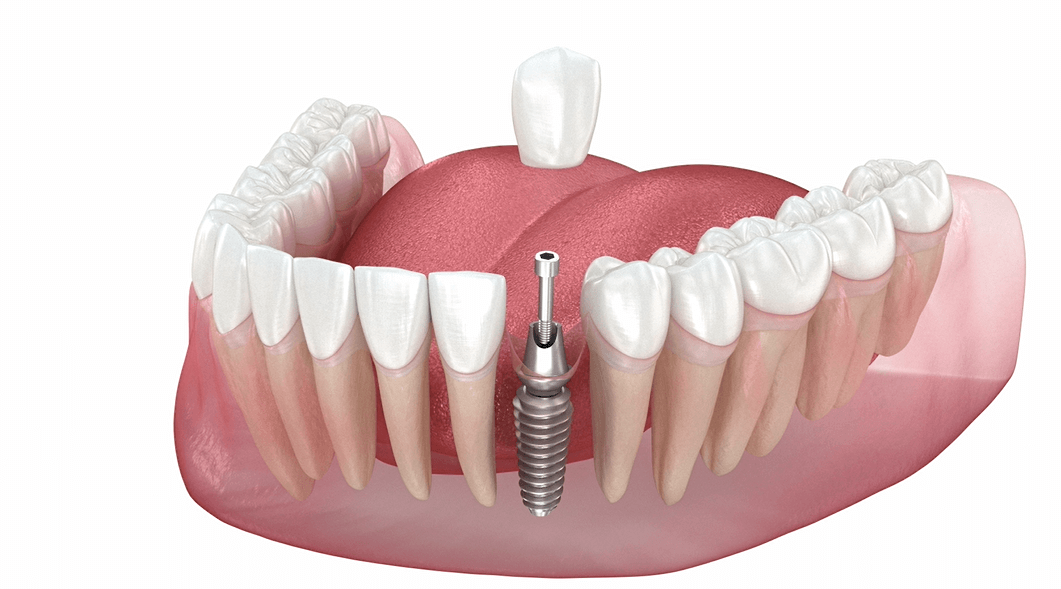
Dental Implants
Replace both the tooth and its root.
Dental Bridges
Use adjacent teeth to support an artificial tooth.
Partial Dentures
Replace one or more missing teeth.
Each treatment option offers specific advantages and considerations.
Why Choosing the Best Clinic Matters
Successful tooth replacement requires proper diagnosis, treatment planning, and long-term care.
Selecting the best clinic for tooth replacement helps ensure:
Comprehensive Evaluation
Accurate assessment of oral health and bone condition.
Personalized Treatment
Recommendations tailored to individual needs.
Advanced Technology
Improved precision and treatment outcomes.
Long-Term Monitoring
Ongoing support after treatment completion.
A well-planned approach can significantly improve long-term success.
Restoring Chewing Function
Missing teeth can make eating uncomfortable and less efficient.
Patients may experience:
- Difficulty chewing certain foods
- Reduced chewing effectiveness
- Avoidance of nutritious foods
Tooth replacement helps restore normal chewing performance and supports a balanced diet.
Improving Speech
Teeth contribute to proper pronunciation of many sounds.
Missing teeth may affect:
- Speech clarity
- Pronunciation
- Confidence during conversations
Replacing missing teeth can help improve communication and comfort in social settings.
Preserving Facial Appearance
The jawbone provides structural support for the face.
When bone loss occurs, facial tissues may lose support and contribute to:
- Sunken cheeks
- Premature aging
- Changes in facial proportions
Maintaining bone volume helps preserve natural facial contours.
Long-Term Oral Health Advantages
Replacing missing teeth contributes to better long-term oral health by:
Maintaining Bite Stability
Helps distribute chewing forces evenly.
Protecting Remaining Teeth
Reduces excessive stress on adjacent teeth.
Supporting Jawbone Health
Helps preserve bone structure.
Simplifying Oral Hygiene
Proper alignment makes cleaning easier.
These benefits often extend for many years after treatment.
What to Expect During a Tooth Replacement Consultation
The treatment process usually begins with a comprehensive evaluation.
This may include:
Oral Examination
Assessment of teeth and gums.
Diagnostic Imaging
Evaluation of bone levels and supporting structures.
Treatment Planning
Discussion of available replacement options.
Personalized Recommendations
Selection of the most suitable treatment approach.
Understanding available options helps patients make informed decisions.
Why Early Treatment Is Important
Delaying treatment may allow:
- Bone loss to progress
- Teeth to shift further
- Bite problems to worsen
- Treatment complexity to increase
Early intervention often preserves more bone and improves long-term outcomes.
Choosing the Right Dental Professional
Patients considering missing tooth replacement in Jamshedpur should seek a provider who offers:
- Comprehensive evaluations
- Personalized treatment planning
- Modern restorative techniques
- Ongoing patient support
A trusted dentist in Jamshedpur can help patients understand their options and select the most appropriate treatment based on their needs.
Conclusion
Missing teeth affect much more than appearance. Without timely treatment, tooth loss can lead to jawbone deterioration, shifting teeth, bite changes, and increased risk of future dental complications. Understanding these consequences highlights the importance of addressing tooth loss as soon as possible.
For individuals exploring missing tooth replacement in Jamshedpur, modern restorative dentistry provides effective solutions that help preserve bone structure, maintain proper tooth alignment, and restore oral function. Choosing the best clinic for tooth replacement ensures access to personalized care and advanced treatment options.
Working with a trusted dentist in Jamshedpur allows patients to receive expert guidance throughout the treatment process. By replacing missing teeth promptly, patients can protect their oral health, preserve their smile, and enjoy greater comfort and confidence for years to come.
Frequently Asked Questions
Why do teeth shift after tooth loss?
Neighboring teeth often move into the empty space left by a missing tooth, causing alignment changes.
Does replacing a missing tooth prevent bone loss?
Certain replacement options, especially dental implants, help preserve jawbone health.
How soon should I replace a missing tooth?
Early treatment is generally recommended to minimize bone loss and prevent tooth movement.
Can tooth replacement improve chewing ability?
Yes. Replacing missing teeth helps restore efficient chewing and bite function.
How do I choose the best clinic for tooth replacement?
Look for comprehensive evaluations, personalized care, advanced technology, and experienced dental professionals.
Source: Deviantart.com