Pakistan has a rich cultural heritage, and traditional clothing remains an important part of its celebrations and social gatherings. From Eid festivities and wedding ceremonies to family dinners and cultural events, traditional outfits allow people to express their personal style while celebrating their cultural identity. However, choosing the right outfit is only one part of creating an attractive festive look. The way an outfit is styled with jewellery, footwear, handbags, makeup, and other accessories can make a significant difference.
With changing fashion trends, Pakistani traditional clothing now combines classic designs with contemporary elements. From beautifully embroidered shalwar kameez to elegant three-piece suits and sophisticated formal ensembles, there are many ways to create a stylish appearance for special occasions. Understanding how to coordinate different elements can help make festive dressing more enjoyable and practical.
1. Choose an Outfit According to the Occasion
The first step in styling traditional clothing is understanding the nature of the event. Different celebrations may require different levels of formality, so selecting an outfit that matches the occasion is important.
For daytime celebrations, lightweight fabrics, subtle embroidery, and refreshing colours are popular choices. Lawn, cotton, and lightweight chiffon outfits can provide comfort while maintaining a traditional appearance.
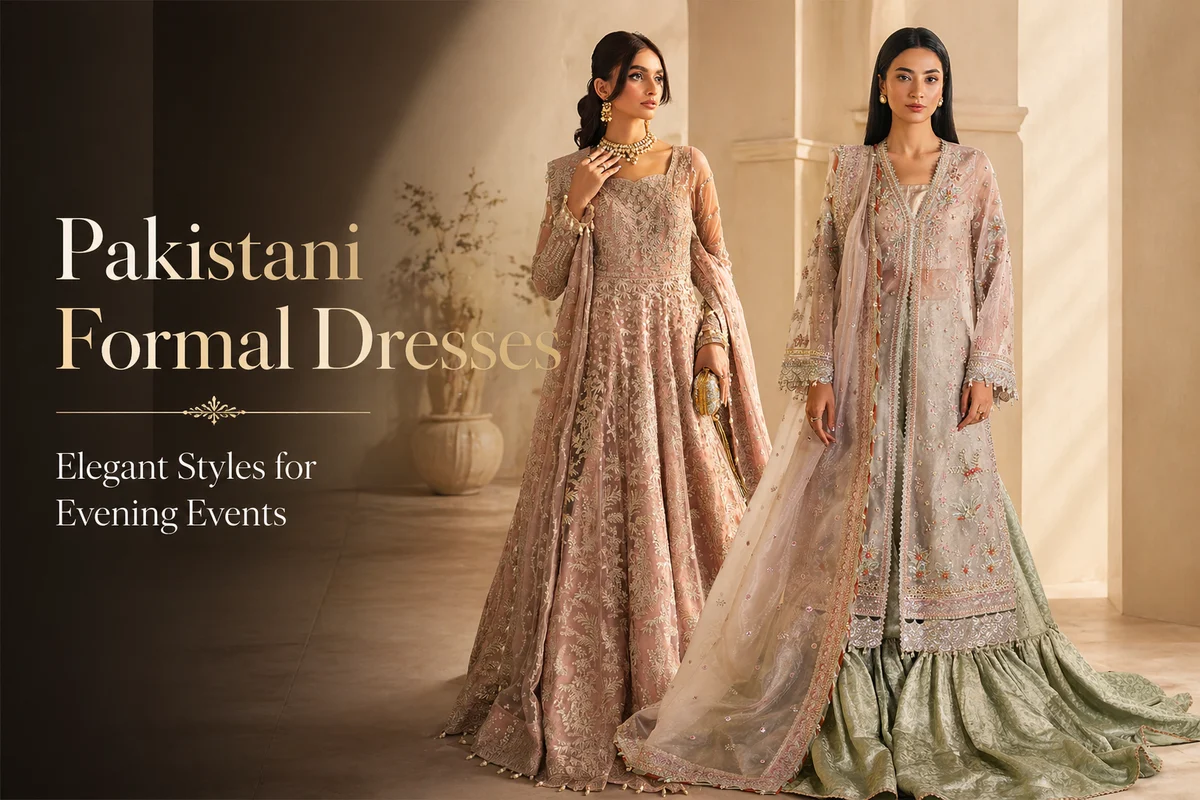
For evening events, embroidered suits, embellished shirts, and luxurious fabrics can create a more sophisticated look. Weddings and engagement ceremonies may call for detailed embroidery, decorative dupattas, and coordinated accessories.
Selecting clothing according to the occasion helps create a balanced appearance without making an outfit feel unnecessarily formal or casual.
2. Experiment with Traditional and Contemporary Silhouettes
Pakistani fashion offers a wide variety of traditional silhouettes that can be styled in different ways. Classic shalwar kameez remains a popular choice, while straight-cut shirts, long kurtas, wide-leg trousers, and contemporary ghararas have also become fashionable.
A straight-cut embroidered shirt paired with matching trousers creates a refined traditional look. Similarly, a long shirt with a flowing dupatta can be suitable for family gatherings and festive dinners.
For wedding-related celebrations, traditional ghararas, shararas, and elegant three-piece outfits offer attractive styling possibilities.
Combining traditional silhouettes with modern cuts allows individuals to maintain cultural authenticity while exploring current fashion trends.
3. Select Colours That Complement the Festive Atmosphere
Colour selection plays an important role in traditional festive styling. Pakistani celebrations are often associated with vibrant shades, beautiful pastels, and sophisticated neutral tones.
Popular festive colours include:
- Emerald Green: A classic choice for traditional celebrations and formal gatherings.
- Maroon and Burgundy: Rich shades that complement evening events and wedding functions.
- Pastel Pink: A soft and elegant option for daytime occasions.
- Mustard Yellow: A cheerful colour frequently associated with festive celebrations.
- Ivory and Beige: Neutral shades that create an understated and sophisticated appearance.
- Royal Blue: A versatile colour that works well with traditional embroidery and decorative details.
When selecting colours, consider the outfit’s embroidery, fabric, and accessories. Coordinating these elements creates a visually balanced appearance.
4. Accessorise with Traditional Jewellery
Jewellery is an important part of festive fashion in Pakistan. Traditional accessories can enhance an outfit and introduce decorative details that complement its overall design.
For heavily embroidered outfits, simple earrings or delicate jewellery may be sufficient. However, simpler traditional dresses can be paired with statement accessories to create a more festive appearance.
Some popular jewellery options include jhumkas, chandbalis, bangles, traditional necklaces, and kundan-inspired designs.
For Mehndi celebrations, colourful bangles and floral-inspired accessories are frequently preferred. Wedding events may call for more elaborate jewellery, depending on the outfit and occasion.
The key is to coordinate jewellery with the neckline, embroidery, and colour palette of the clothing rather than wearing too many statement pieces together.
5. Style Your Dupatta Creatively
The dupatta is one of the most distinctive elements of Pakistani traditional clothing. It adds elegance and allows people to experiment with different styling techniques.
A lightweight dupatta can be draped over one shoulder for a relaxed and graceful appearance. For formal gatherings, a heavily embroidered dupatta can be arranged over both shoulders to highlight its decorative borders.
Organza, chiffon, and net dupattas are popular choices for festive outfits because they offer different textures and styling possibilities.
When wearing an embroidered shirt, coordinating the dupatta’s borders with the outfit can create a cohesive appearance. Alternatively, a contrasting dupatta can introduce an interesting colour combination.
6. Choose Suitable Footwear
Footwear is another important consideration when completing a traditional festive look. The right shoes should complement the outfit while providing comfort throughout the event.
Traditional khussas are a popular option because they combine cultural design with versatile styling. They can be paired with shalwar kameez, straight trousers, and embroidered ensembles.
For formal occasions, embellished sandals, block heels, and traditional footwear with decorative details can complement festive clothing.
For outdoor celebrations and events involving extended periods of standing or walking, comfortable footwear is particularly useful.
Consider the outfit’s length, colour, and embellishments when selecting shoes to ensure that all elements work together.
7. Coordinate Your Handbag with the Outfit
A handbag can add a finishing touch to traditional festive clothing. Small clutches, embroidered potli bags, and decorative handbags are popular choices for Pakistani celebrations.
For wedding functions, embellished clutches can complement formal outfits, while simple handbags may be more suitable for family dinners and daytime gatherings.
Colour coordination is also important. A handbag in a matching shade creates a coordinated appearance, while a complementary contrasting colour can introduce visual interest.
Choose a bag that is practical enough to carry essential belongings without distracting from the overall outfit.
8. Pay Attention to Hair and Makeup
Hair and makeup help complete a traditional festive look. The styling approach should complement the outfit, the event, and the overall appearance.
For daytime celebrations, natural makeup with soft colours and simple hairstyles can create a polished look. Light foundation, subtle eye makeup, and neutral lipstick are common choices.
Evening events may allow more decorative makeup, including defined eyes, complementary lipstick shades, and carefully styled hair.
Traditional hairstyles such as soft curls, low buns, braided styles, and half-up hairstyles can work beautifully with Pakistani clothing.
For outfits featuring detailed necklines or embroidered shoulders, an updo can help highlight the garment’s design.
9. Balance Embellishments and Accessories
One of the most useful principles of festive styling is maintaining balance. Traditional Pakistani outfits often feature embroidery, sequins, lace, beads, and decorative borders.
When an outfit already includes heavy embellishments, choosing simpler accessories can help maintain a sophisticated appearance. Similarly, minimal clothing designs provide opportunities to experiment with statement jewellery, decorative footwear, or an embellished dupatta.
Avoid combining too many competing patterns and decorative elements. Instead, focus on creating coordination between the outfit, accessories, and footwear.
This approach helps make traditional clothing suitable for different occasions without compromising its cultural appeal.
10. Explore Seasonal Fashion Collections
Fashion collections provide inspiration for creating festive looks throughout the year. Pakistani clothing brands regularly introduce new designs based on seasonal colours, fabric preferences, embroidery techniques, and changing fashion trends.
Ladoo official is a brand that customers can explore when looking for traditional and contemporary clothing options. Its festive collections provide inspiration for selecting outfits for family gatherings, celebrations, and special occasions.
Exploring different collections can help customers understand current fashion trends and discover clothing styles that suit their individual preferences.
It is also useful to consider fabric suitability when shopping for seasonal outfits. Lightweight materials are often preferred during warmer months, while richer fabrics and layered designs can be appropriate for cooler weather.
Conclusion
Styling traditional outfits for festive events in Pakistan involves more than simply choosing beautiful clothing. It requires thoughtful coordination of colours, fabrics, jewellery, footwear, dupattas, and other accessories. Whether attending an Eid celebration, wedding ceremony, family gathering, or formal dinner, selecting suitable clothing and balancing different styling elements can create an elegant and culturally inspired appearance. Pakistani fashion brands such as Ladoo official continue to celebrate traditional clothing through contemporary designs and festive collections. For those looking to explore stylish outfits for upcoming celebrations, the Mehman-e-Khaas ’26 Collection offers an opportunity to discover fashion inspired by the elegance and charm of Pakistani festive traditions.