
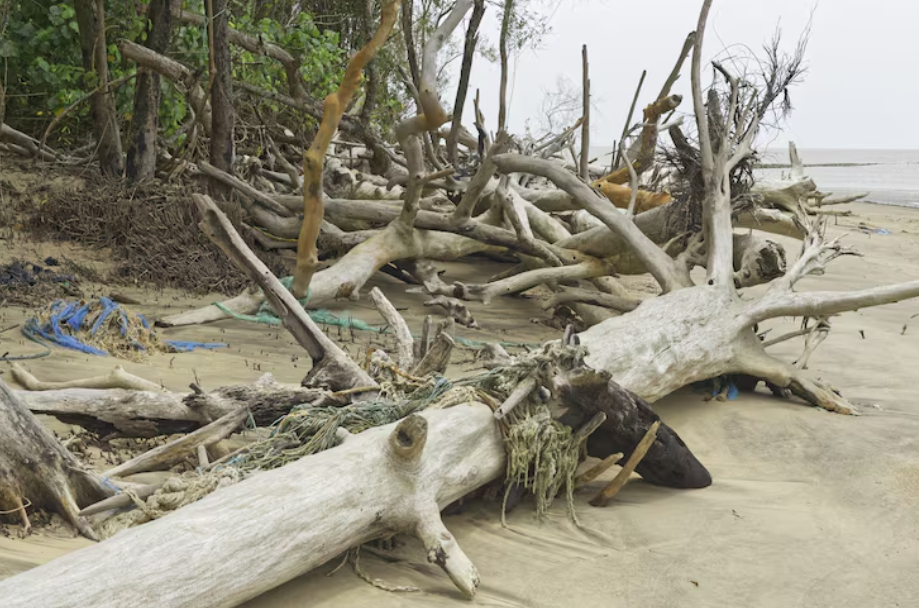
If you’ve lived on the Gulf Coast for more than a few summers, you already know what hurricane season can do to a yard full of trees. One bad storm can drop a 60 foot pine through a roof, snap a magnolia in half, or take out the power for a week when a limb hits a service line. Most of that damage isn’t random. It’s the kind of thing that can be reduced with a little planning before the storms show up.
Hurricane tree preparation is something every Gulf Coast homeowner should be thinking about by late spring. Here’s how to get your trees ready before the first named storm shows up on the radar.
Start Early, Not Late
The worst time to think about your trees is the week a hurricane is in the Gulf. By then, every tree crew in Mobile and Baldwin counties is booked solid, and a quick “topping” job done in a panic does more damage than the storm would.
Real hurricane prep starts in April or May. That gives you time to walk the property, get a professional out for an inspection, do any pruning that’s needed, and let the trees heal before storm season hits.
Walk Your Yard & Look Up
Most homeowners never actually look closely at their trees. Take an afternoon, walk the property, and look at every tree on your land. You’re looking for warning signs that a storm could turn into a problem.
Dead & Hanging Branches
Any limbs that are clearly dead, broken, or dangling are going to come down in the first 40 mile per hour gust. These need to come off before storm season, period.
Cracks in the Trunk
Look at the main trunk and big branches for vertical cracks, splits, or any signs of separation. Cracked wood is wood that’s already failing, and a storm will finish the job.
Leaning Trees
A tree that wasn’t leaning last year but is leaning now has root problems. Look at the base for raised soil on one side, which is a sign the root plate is lifting. This kind of tree needs a pro to look at it.
Cavities & Fungus
Hollow spots, soft punky wood, or mushroom growth on the trunk all point to internal rot. The tree might look fine from a distance, but the structure inside is gone.
Branches Over the House
Big limbs hanging over your roof, garage, or driveway are the ones to deal with first. Even a healthy limb can fail in a major storm, and you don’t want it landing on your bedroom.
Pruning for Wind Resistance
Done right, pruning makes a tree safer in a hurricane. Done wrong, it makes things worse. The goal is to let wind pass through the canopy instead of pushing against a solid wall of leaves.
Thinning vs Topping
Proper thinning means removing some of the smaller inner branches so the canopy is less dense. Wind moves through instead of catching the tree like a sail. This is what a trained arborist does.
Topping is the opposite. Cutting the tops off main branches creates weak, dense regrowth that’s more dangerous in storms than the original canopy. Companies like Jay Eubanks Tree Service in Mobile see the damage from past topping jobs every season, and it’s almost always worse than the trees that were left alone.
Take Off Less Than 25 Percent
A good thinning takes off no more than a quarter of the canopy in one season. Anything more and you stress the tree, force a flush of weak new growth, and end up with a worse problem than you started with.
Roots Matter as Much as the Top
People think hurricane damage is all about the wind hitting the canopy. The roots are just as important. A tree with a healthy root system anchors better and holds up in heavy wind.
A few things you can do for the roots:
- Avoid driving or parking heavy equipment over the root zone
- Don’t pile soil, mulch, or pavers against the trunk
- Keep mulch a few inches off the trunk, not up against it
- Don’t trench through the root zone for utilities right before storm season
- Water trees during dry spells so the roots stay strong
Species to Watch in Coastal Alabama
Some trees handle hurricanes better than others. Live oaks, southern magnolias, and bald cypress are tough customers. Loblolly and slash pines, water oaks, and laurel oaks are more likely to fail in heavy wind, especially if they’re old or in poor condition.
That doesn’t mean you should rip out every pine in your yard. It just means those trees need closer attention every year, and the ones near your house deserve a professional inspection.
When to Call a Pro
If your tree is bigger than you can safely reach with a pole saw, or if you see any of the warning signs above, get a certified arborist out before the season starts. A free property tree assessment usually takes less than an hour and tells you what needs work, what can wait, and what’s a real risk.
Local Gulf Coast crews are slammed once a storm is in the forecast. Getting on the schedule in April or May means the work actually gets done before it matters.
After the Storm
Once a hurricane has passed, walk the property again. Limbs that are cracked, hanging, or stuck in other branches need to come down before the next storm. Trees with root damage might look fine but be ready to fall in a follow up event. A second inspection after the season often catches things you missed.
A little prep work in spring saves a lot of headache, expense, and possible damage when the wind starts blowing. Trees are an asset, not a liability, when they’re taken care of right.