Vetements’ popularity has made it one of the most counterfeited streetwear labels on the resale market. Because so many of the brand’s signature pieces look deliberately raw, oversized, or “imperfect” by design, spotting a fake isn’t always as obvious as it is with more traditional luxury goods. This guide walks through the practical checks experienced buyers use to separate real Vetements from convincing replicas, so you can shop secondhand or resale listings with more confidence.
Quick Answer: How to Tell If Vetements Is Real
The fastest way to check authenticity is to examine the neck tag and wash label closely. Genuine Vetements pieces use dense, evenly weighted stitching, correctly proportioned lettering, and wash tags with specific, consistent formatting. Fakes typically show thinner or inconsistent text, uneven stitching, incorrect label attachment, and printing that looks slightly “off” once you compare it side by side with verified authentic photos. Beyond the tags, price, seller reputation, and packaging quality are equally important red flags to watch for.
Why Vetements Is So Frequently Counterfeited
High Resale Demand Creates Opportunity
Vetements pieces, especially limited collaborations and early archive items, regularly resell for a premium above retail. That demand creates strong financial incentive for counterfeiters, particularly on secondhand marketplaces where buyers can’t physically inspect an item before purchasing.
Deliberately “Imperfect” Design Makes Fakes Harder to Spot
Because Vetements intentionally uses raw hems, deconstructed seams, and asymmetric detailing as part of its design language, buyers can struggle to tell whether an odd-looking construction detail is intentional brand aesthetic or a sign of a poorly made counterfeit. This ambiguity is part of why the brand requires more careful authentication than labels with simpler, more uniform designs.
Checking the Tags and Labels
Neck Tag Details
The neck tag is usually the first and most reliable place to check. On authentic pieces, the lettering is evenly weighted, properly spaced, and consistently proportioned across every letter. Counterfeit tags frequently show subtle inconsistencies — letters that are too thin, spacing that’s slightly too wide or narrow between characters, or a font that looks stretched rather than clean. It helps to compare against verified reference photos from trusted resale or authentication platforms before making a judgment call from memory alone.
How the Tag Is Attached
Pay attention not just to what’s printed on the tag, but how it’s physically sewn into the garment. Authentic Vetements tags are typically attached with visible extra fabric and a specific stitch pattern securing them to the interior seam. Loosely attached tags, missing extra fabric, or noticeably different stitching around the label are common signs of a replica.
Wash Tags and Care Labels
The secondary wash or care label inside the garment is another key checkpoint. Genuine wash tags tend to use a specific proportion, print weight, and font style that’s difficult for counterfeiters to replicate precisely. Fakes often get the sizing, thickness, or spacing of this text wrong, even when the main neck tag looks convincing.
Production and Size Information
Authentic pieces typically include consistent, correctly formatted production details — country of manufacture, size indication, and a model or reference code — positioned in specific locations on the interior tags. Look for printed (not roughly stitched or smudged) size markings, and be wary if the placement or formatting looks inconsistent with verified examples of the same style.
Stitching, Fabric, and Construction Quality
Stitch Density and Consistency
Authentic Vetements pieces generally show dense, tightly executed stitching, particularly around logos, hems, and structural seams. Counterfeits often use looser, more inconsistent stitching that can look acceptable from a distance but falls apart under close inspection.
Fabric Weight and Feel
Genuine pieces tend to use consistent, intentional fabric weight suited to the specific garment — heavier fleece for hoodies, structured denim for jeans, and so on. Fakes frequently use thinner, cheaper fabric that feels noticeably lighter or less substantial than what’s expected for that product category.
Logo and Print Quality
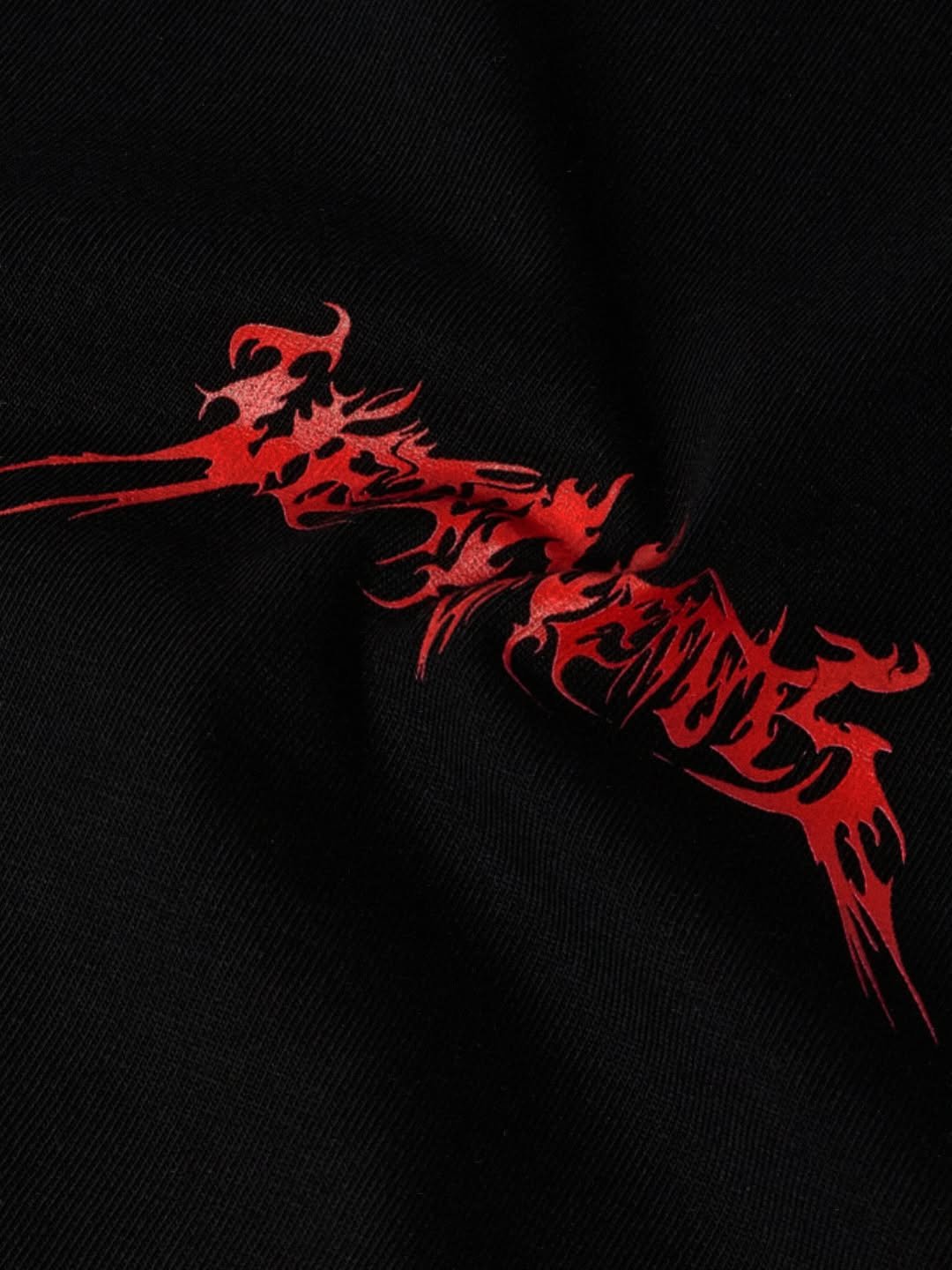
Printed or embroidered logos should appear crisp, well-aligned, and consistent in color saturation. Blurred edges, uneven embroidery density, or visibly misaligned lettering are common markers of counterfeit production, even on pieces that otherwise look convincing at first glance.
Red Flags Beyond the Garment Itself
Price That’s Too Good to Be True
If a listing offers a Vetements piece for a small fraction of its typical resale value, that’s one of the strongest warning signs of a counterfeit. Genuine limited-run or collaboration pieces rarely sell far below market rate unless there’s a clear, verifiable reason, such as visible damage disclosed by the seller.
Unverified or New Seller Accounts
Be cautious with sellers who have little to no transaction history, vague or stock photography instead of real item photos, or listings that avoid showing tags and labels clearly. Established resellers with verified reviews and detailed photos are generally a safer bet.
Packaging and Accessories
Authentic Vetements pieces, especially when purchased new, typically come with brand-consistent packaging, dust bags, or hang tags depending on the product category. Missing, generic, or mismatched packaging on an item marketed as brand-new can be a signal worth investigating further.
Listings That Discourage Close Inspection
Sellers who refuse to provide additional photos of tags, stitching, or interior labels — or who pressure you to complete a purchase quickly without normal verification — should be treated with extra caution, particularly on peer-to-peer resale platforms.
Where to Buy Vetements Safely
Authorized Retailers and the Brand’s Own Channels
The safest way to guarantee authenticity is buying directly from Vetements or from retailers officially authorized to carry the brand. These channels eliminate most counterfeit risk entirely, though selection may be more limited than the broader resale market.
Reputable Resale and Authentication Platforms
For older, discontinued, or archive pieces no longer sold at retail, reputable resale platforms that offer in-house authentication services add a meaningful layer of protection. These platforms typically have experienced authenticators who inspect tags, stitching, and construction before a listing goes live or before a sale is finalized.
Third-Party Legit Check Services
If you already own a piece or are considering a private sale outside of an authenticated platform, third-party legit check services can review photos of the item’s tags, stitching, and construction details to give an authentication opinion. These services are widely used in the streetwear resale community specifically because brands like Vetements are counterfeited so frequently.
A Simple Pre-Purchase Checklist
- Compare neck tag lettering and spacing against verified authentic reference photos
- Check how the tag is physically sewn in, including visible extra fabric and stitch pattern
- Inspect the wash tag’s font weight, proportions, and text placement
- Confirm production details and size labeling are printed cleanly and positioned consistently
- Evaluate stitch density and fabric weight against what’s expected for that specific product
- Assess the listing price against typical resale value for that exact item
- Review seller history, photo quality, and willingness to share close-up images
- When in doubt, use a professional authentication service before completing the purchase
Frequently Asked Questions
What’s the easiest way to spot a fake Vetements piece? Start with the neck tag and wash label. Inconsistent lettering, incorrect spacing, and mismatched stitching are among the most common and reliable indicators of a counterfeit.
Are cheap Vetements listings ever real? It’s possible but uncommon. Authentic pieces, especially limited or collaboration items, rarely sell far below typical resale value without a clearly disclosed reason, so unusually low prices should always prompt extra scrutiny.
Can I authenticate Vetements myself without professional help? Careful buyers can often catch obvious fakes by checking tags, stitching, and fabric quality against verified reference images, but for high-value or ambiguous pieces, a professional legit check service adds meaningful confidence.
Is buying secondhand Vetements safe? Yes, as long as you buy through reputable resale platforms with authentication services or from sellers with strong verified histories. Unverified peer-to-peer listings carry the highest counterfeit risk.
Final Thoughts
Because Vetements jeans aesthetic already leans into rawness and deconstruction, spotting fakes takes a slightly closer look than it does with more traditionally finished luxury brands. Focusing on tag details, stitching consistency, fabric quality, and seller credibility will catch the vast majority of counterfeits before you commit to a purchase. When a piece carries real financial stakes — a rare collaboration or an expensive archive find — pairing your own inspection with a professional authentication service is the safest way to buy with confidence.