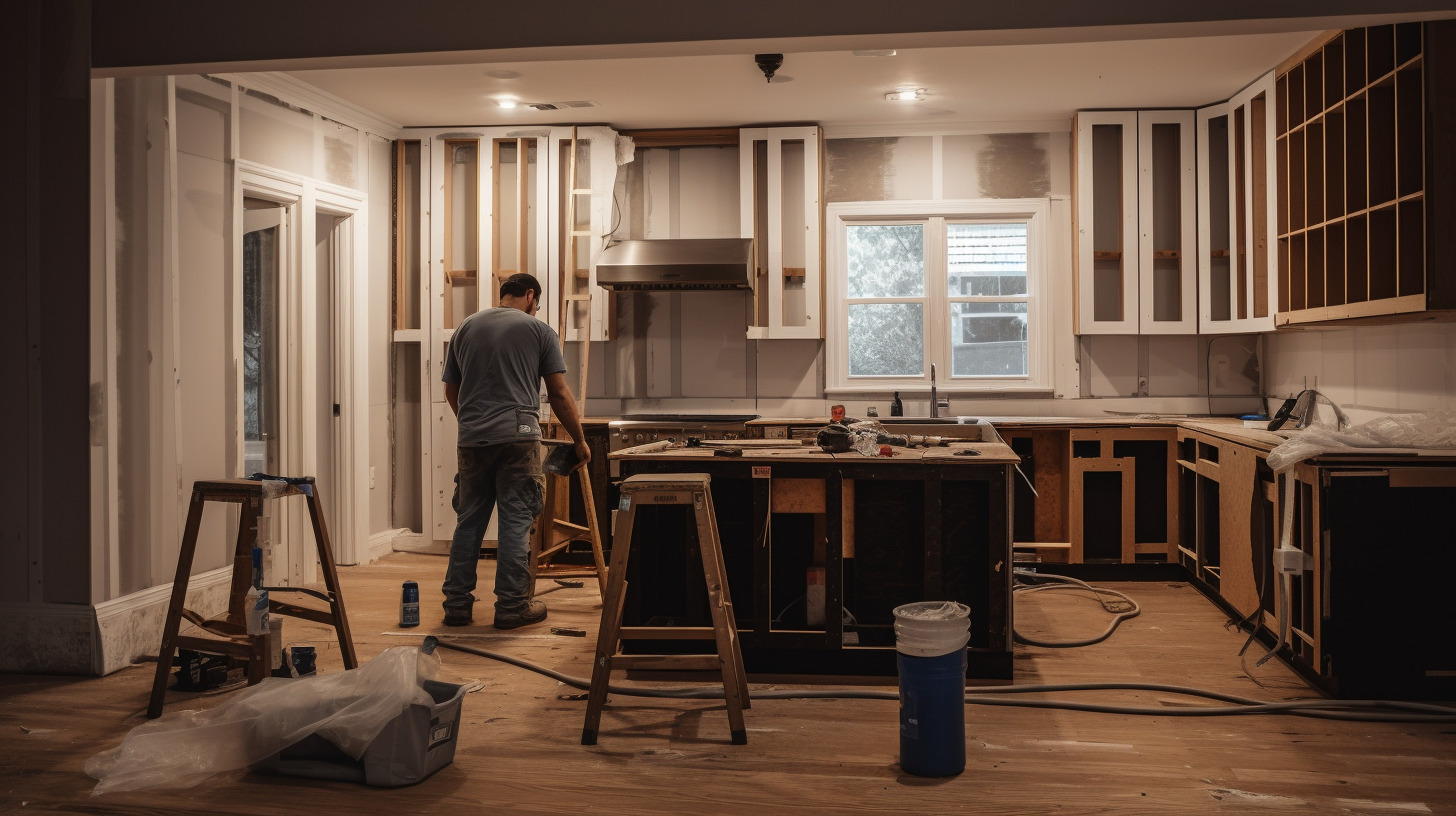
A whole-home renovation can improve several rooms at once. However, it can also become expensive when homeowners begin construction without a clear plan. Material upgrades, labor changes, unexpected repairs, and design adjustments may cause the budget to grow beyond initial expectations. The best way to manage a larger renovation is to understand how different decisions affect cost. Rather than choosing finishes immediately, we should define the project scope, identify essential repairs, and establish spending priorities. This approach helps us balance comfort, appearance, and long-term value.
Why Professional Planning Matters for Whole-Home Renovations
Working with professional home remodeling services can help homeowners coordinate renovations across kitchens, bathrooms, living rooms, basements, and other interior spaces. However, every room has different requirements. Therefore, a complete renovation should follow one organized plan rather than several disconnected projects. For example, flooring installation may affect multiple rooms, while kitchen plumbing changes require specific scheduling. A coordinated approach helps reduce duplicated work and makes material selection more consistent. It also allows homeowners to compare essential improvements with optional design upgrades before construction begins.
Start With a Complete Home Assessment
Before requesting a renovation estimate, we should examine the condition of the property. This includes visible wear, water damage, outdated fixtures, storage limitations, and uncomfortable layouts. However, cosmetic issues should not receive priority over safety or building concerns. For example, damaged electrical systems may require attention before decorative wall improvements.
Identify Problems Room by Room
A room-by-room assessment can help organize the renovation scope. In the kitchen, we should review cabinets, appliances, countertops, and lighting. Bathrooms require attention to plumbing, waterproofing, ventilation, and fixtures. Living spaces may need flooring, paint, improved lighting, or layout changes. Meanwhile, basements may require moisture assessment and insulation improvements. This process creates a more complete picture of the work involved.
Set Renovation Priorities Before Choosing Materials
Not every improvement has the same level of importance. Therefore, we should separate necessary repairs from optional upgrades. For example, repairing damaged flooring may deserve priority over installing decorative ceiling details. Similarly, a poorly functioning kitchen layout may justify greater spending than updating a room that already works well.
Create a Practical Priority System
We can organize improvements into essential, high-value, and optional categories. Essential work includes repairs that address safety, water damage, or major functional problems. High-value improvements may include better storage, lighting, and durable flooring. Optional upgrades often involve decorative features that do not significantly change daily function. This approach helps us make informed decisions if the initial estimate exceeds our budget.
Understand How Renovation Scope Affects Cost
Project size has a direct influence on renovation expenses. However, square footage alone does not determine the final price. A small bathroom with complex plumbing changes may require more labor than a larger room receiving paint and flooring. Likewise, removing structural walls can increase the need for engineering review, permits, and specialized construction. Therefore, we should describe the proposed work in detail when requesting estimates.
Cosmetic Updates Versus Structural Changes
Cosmetic renovations usually focus on visible finishes. These projects may involve paint, flooring, cabinet hardware, lighting fixtures, or surface replacements. Structural renovations can involve wall removal, framing changes, or significant alterations to building systems. These projects often require additional planning and approvals. Understanding the difference helps homeowners estimate both costs and disruption.
Estimating the Average Home Renovation Budget
The average home remodel cost varies according to property size, renovation scope, materials, and local labor conditions. Therefore, national averages should be treated as broad reference points rather than guaranteed prices. A meaningful budget should reflect the actual home and the work homeowners want to complete.
Consider Major Cost Categories
Labor, materials, demolition, disposal, and installation all contribute to renovation expenses. Permits, design services, and specialist trades may create additional costs. Furthermore, material delivery and unexpected repairs can influence the final amount. We should request written estimates that clearly explain these categories. This makes it easier to understand why two proposals may differ.
Include a Contingency Allowance
Even careful planning cannot eliminate every hidden problem. Older homes may contain damaged subfloors, leaking pipes, or outdated wiring. Therefore, a reasonable contingency allowance helps manage uncertainty. We should discuss the expected risks with the contractor rather than selecting an arbitrary amount. The home’s age, condition, and construction complexity can influence the appropriate reserve.
Save Money Without Sacrificing Quality
Reducing renovation costs does not always mean choosing the cheapest products. Instead, we should look for changes that reduce unnecessary labor or material waste. For example, keeping suitable plumbing fixtures in their existing locations may reduce the need for major pipe relocation. Similarly, maintaining a workable kitchen layout can limit electrical and structural changes.
Invest in Materials That Fit the Room
Different rooms experience different levels of moisture, heat, and foot traffic. Therefore, materials should match their intended use. A suitable flooring product in a busy kitchen may provide better long-term value than a delicate decorative finish. Meanwhile, durable cabinet hardware may reduce maintenance problems. We should compare warranties, construction quality, and care requirements before purchasing.
Renovate in Phases or Complete Everything Together?
Homeowners sometimes need to decide whether to renovate the entire property at once. Completing several connected projects together may reduce duplicated demolition and finishing work. However, it can require a larger upfront budget and create greater household disruption. Phased renovation spreads expenses across different periods but may involve repeated setup and labor costs.
Consider Household Needs
A family living in the home during construction may prefer a phased approach. For example, keeping one bathroom functional while another receives updates can reduce inconvenience. However, connected work such as continuous flooring may be easier to complete together. We should discuss scheduling options with the contractor before choosing an approach. The best plan depends on available funds, daily routines, and project complexity.
Plan Material Selections Early
Late material changes can increase renovation costs. For example, choosing a different cabinet size after plumbing work begins may require additional adjustments. Similarly, changing flooring thickness can affect transitions between rooms. Therefore, we should approve major materials and layouts before construction starts.
Confirm Product Availability
Some materials require special orders or longer delivery periods. We should confirm lead times for cabinets, countertops, doors, and fixtures. If a product becomes unavailable, an alternative may affect color, dimensions, or installation requirements. Early selections help reduce unexpected delays. However, the contractor should still explain how material substitutions will receive approval.
Whole-Home Renovation Planning in Maryland
For homeowners in Columbia, Maryland, project planning should account for property conditions, applicable permits, and the local construction process. Certain structural, plumbing, and electrical changes may require approvals. Therefore, we should verify requirements before work begins. Homeowners should also consider how local weather and indoor moisture conditions affect material choices and construction methods. These practical details can influence both renovation cost and long-term performance.
Selecting a Reliable Remodeling Contractor
Choosing a trusted remodeling company should involve more than comparing the lowest price. We should review project experience, relevant qualifications, insurance, and communication practices. A contractor should also provide a clear proposal that explains the work involved.
Compare Estimates Carefully
Two estimates may appear similar while covering different services. For example, one proposal may include demolition and disposal, while another lists them separately. Material allowances may also differ. Therefore, we should compare the complete scope before choosing a contractor. Clear documentation helps prevent unexpected costs after construction begins.
Manage Changes During Construction
Renovation changes sometimes become necessary. However, informal decisions can create confusion about costs and deadlines. We should request written change orders that explain the new work, price adjustment, and schedule impact. This allows homeowners to approve decisions with a clear understanding of the consequences. Regular communication also helps identify problems before they become more expensive.
Track Progress Against the Plan
A larger renovation may include several work stages. We should understand when demolition, framing, electrical work, plumbing, finishing, and installation will occur. Milestone discussions can help keep everyone informed. However, schedules should remain realistic and account for inspections, material deliveries, and unexpected repairs.
Final Thoughts
A whole-home renovation can create a more comfortable and attractive living environment. However, controlling costs requires careful decisions before and during construction. We should assess the property, prioritize essential work, compare detailed estimates, and select materials that support long-term use. Moreover, an organized project schedule and clear contractor communication can help prevent avoidable expenses. With practical planning, homeowners can make meaningful improvements while maintaining greater control over their renovation budget.