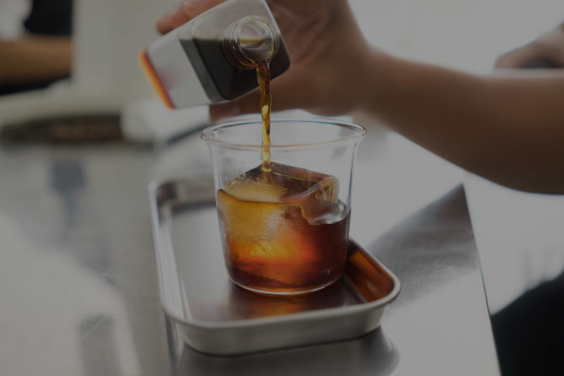
A refreshing glass of cold brew coffee can turn an ordinary afternoon into a little treat. Its smooth texture, naturally mellow flavor, and rich aroma make it a favorite among home coffee lovers. But what makes one homemade batch taste noticeably better than another, even when both use similar coffee?
The difference often comes down to how you prepare it. Whether you use freshly ground beans, pre-ground coffee, or convenient cold brew bags, each method offers a distinct brewing experience. Finding the right approach can make your daily coffee routine more enjoyable and rewarding.
Key Takeaways
- Bags simplify preparation, whole beans offer grind control, and grounds provide flexibility.
- Grind size, water ratios, and brewing temperature influence cold brew strength, clarity, and smoothness.
- Proper filtration, dilution, and refrigerated storage help maintain consistent flavor throughout each batch.
How Is Cold Brew Different from Hot-Brewed Coffee?
Cold brew coffee is made by steeping ground coffee in cold or room-temperature water for several hours rather than extracting it quickly with hot water. This slower process generally produces a smooth, mellow flavor with less perceived acidity and bitterness than many hot-brewed coffees.
The main difference comes from the brewing method. Hot water extracts coffee compounds quickly, while cold water relies on extended steeping. Cold brew can use freshly ground beans, pre-ground coffee, or ready-filled brewing bags, offering different levels of flavor control, convenience, and cleanup.
6 Ways to Make Better Cold Brew Using Bags, Beans, or Grounds
1. Match Your Brewing Setup
A tall pitcher is convenient, but its shape can influence how evenly coffee meets water. Narrow containers may compress filled bags, while wide-mouth jars make it easier to stir loose grounds. Whole beans require grinding first because intact beans extract too slowly for most practical cold brew recipes.
For ready-filled cold brew bags, choose a container that allows the bag to remain fully submerged and expand freely. Freshly ground beans work well in a French press or filtered brewer. Pre-ground coffee suits a mason jar with a separate strainer. Choose your equipment around the coffee format rather than buying extra gadgets.
2. Control Grind Particle Size
Evenly sized particles help prevent some coffee from extracting faster than the rest. Whole beans offer the most control because you can grind them immediately before brewing. A medium-coarse setting is a useful starting point, although the best setting depends on your filter and steeping time.
Iced coffee grounds may be intended for hot brewing over ice, so check their particle size before using them for immersion brewing. Filled brewing bags use a predetermined blend, making adjustments less practical. With bags, focus on water quantity and steeping time rather than changing the enclosed coffee.
3. Adjust Coffee Water Ratios
Ever made a batch that tasted great before adding ice but disappeared into the drink afterward? Your starting concentration may be too weak. A practical, ready-to-drink starting ratio is approximately 1 part coffee and 12 parts of water by weight, although preferences and coffee formats vary.
For cold brew bags, follow the package’s coffee-to-water directions because each prefilled bag contains a fixed amount. Whole beans let you weigh the exact dose before grinding, while loose grounds allow easy adjustments to measurements. For concentrate, begin around 1:5 and dilute after brewing. Measure consistently so you can repeat successful batches.
4. Choose Better Brewing Temperatures
Cold brew does not necessarily require refrigerator temperatures throughout extraction. Cooler water extracts coffee more slowly, meaning a refrigerated batch may need longer than one brewed at room temperature.
With organic coffee beans, grinding immediately before adding chilled water helps preserve freshness. Pre-ground coffee can follow the same refrigerated method, though its flavor depends on storage conditions. Prepared bags are especially convenient for overnight refrigerator brewing. Start checking flavor after 12 hours rather than automatically leaving every batch for an entire day.
5. Prevent Sediment During Filtration
Cloudiness is not always a brewing failure, but excessive fine particles can leave an unpleasant, gritty finish. Whole beans ground with an inconsistent grinder may produce more fines, particularly when the grinder creates a mixture of coarse and powdery particles.
Using cold brew bags simplifies removal because most of the grounds remain enclosed, though fine sediment can still escape. Loose grounds may require a fine-mesh strainer followed by a paper filter. Freshly ground beans need similar treatment when brewed without an integrated filter. Avoid squeezing saturated bags too hard, as this can push trapped particles into your finished coffee.
6. Refine Serving and Storage
The first and final glasses should taste reasonably similar, yet dilution can change that experience. Strong concentrate benefits from measured water or milk, while ready-to-drink batches usually need little adjustment beyond ice. Keep finished coffee refrigerated in a clean, covered container.
For brewing bags, remove the used pouch when the extraction reaches your preferred strength. Remember to filter freshly ground beans promptly, and ensure loose grounds are fully separated to prevent continued extraction. For single-serve coffee, freeze measured portions of concentrate in ice cube trays for convenient individual drinks without watering down the flavor.
Best Cold Brew Starts with Better Choices
A satisfying homemade cold brew comes from matching your ingredients with the right preparation method. Whole beans offer flexibility, loose grounds simplify measuring, and cold brew bags make the process easier when time or cleanup matters.
For better flavor from start to finish, always start with one method, record your measurements, and adjust one variable at a time. Soon, you will know exactly how to make coffee that tastes right for you, whether you prefer a strong concentrate or a lighter glass over ice.
Frequently Asked Questions
Can you reuse coffee bags for a second cold brew batch?
Reusing them yields weaker, less predictable results because much of the readily extractable flavor has already been extracted in the first batch.
Can loose-leaf tea be prepared using the cold brew method?
Yes. Loose-leaf tea can steep in refrigerated water, although the ideal brewing time depends on the tea variety and desired strength.
Why does homemade cold brew taste sour even after a long steep?
A sour taste may reflect the coffee’s natural acidity, an uneven grind, insufficient extraction, or the roast’s characteristics.