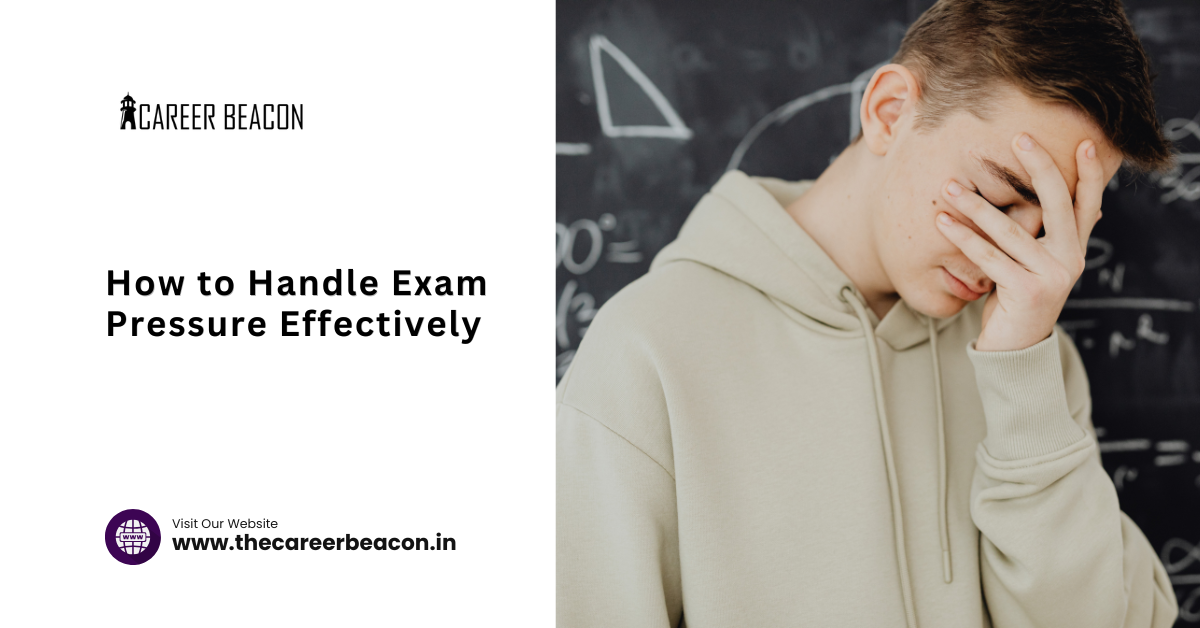
Exams are one of the most important phases in a student’s academic journey, but they often bring stress, anxiety, and fear. In today’s competitive environment, many students struggle with exam pressure, especially when expectations are high.
According to recent education insights, a moderate level of exam pressure can actually improve focus and performance, but too much stress can negatively affect concentration and results.
That’s why learning how to handle exam pressure effectively is essential for every student in 2026.
What is Exam Pressure?
Exam pressure refers to the stress or anxiety students feel before or during exams. It usually comes from fear of failure, lack of preparation, or comparison with others.
In many cases, students feel overwhelmed because they don’t have a clear study plan or proper guidance. When pressure increases beyond a limit, it can affect memory, confidence, and overall performance.
Why Managing Exam Pressure is Important
Handling exam pressure properly is not just about scoring good marks—it’s also about maintaining mental health and confidence.
Studies show that too much stress can reduce focus and make it difficult to recall information during exams. On the other hand, controlled pressure can boost motivation and help students perform better.
👉 The goal is not to eliminate pressure, but to manage it effectively.
How to Handle Exam Pressure Effectively
1. Create a Proper Study Plan
One of the biggest reasons for exam pressure is poor planning. A structured study timetable helps students stay organized and reduces last-minute stress.
A planned routine with daily goals and revision can improve confidence and eliminate confusion.
2. Focus on Smart Preparation
Instead of studying randomly, students should focus on important topics, practice previous papers, and test themselves regularly.
Smart preparation helps improve understanding and reduces anxiety before exams.
3. Take Care of Your Physical Health
A healthy body supports a healthy mind. Students should get enough sleep, eat balanced meals, and include light physical activity in their routine.
Skipping meals or sleep can increase exam pressure and reduce concentration.
4. Practice Relaxation Techniques
Simple techniques like deep breathing, meditation, and positive thinking can help calm the mind.
Even a few minutes of relaxation can reduce stress and improve focus before studying or during exams.
5. Avoid Comparison and Negative Thinking
Comparing yourself with others can increase stress and lower confidence. Every student has a different learning pace.
👉 Focus on your own progress instead of worrying about others.
6. Take Regular Breaks
Studying continuously for long hours can lead to burnout. Short breaks between study sessions help refresh the mind and improve productivity.
A balanced routine is always more effective than over-studying.
What Students Should Avoid During Exams
Students should avoid last-minute cramming, overthinking, and excessive use of social media. These habits increase stress and reduce productivity.
Staying calm, focused, and consistent is the best way to handle exam pressure effectively.
Conclusion
Exam pressure is a common part of student life, but it can be managed with the right strategies. Proper planning, smart study techniques, and a positive mindset can make a huge difference in performance.
At thecareerbeacon, the focus is on helping students overcome challenges like exam pressure by providing the right guidance, strategies, and support for academic success.
Remember, exams are important—but your mental health and confidence matter even more.