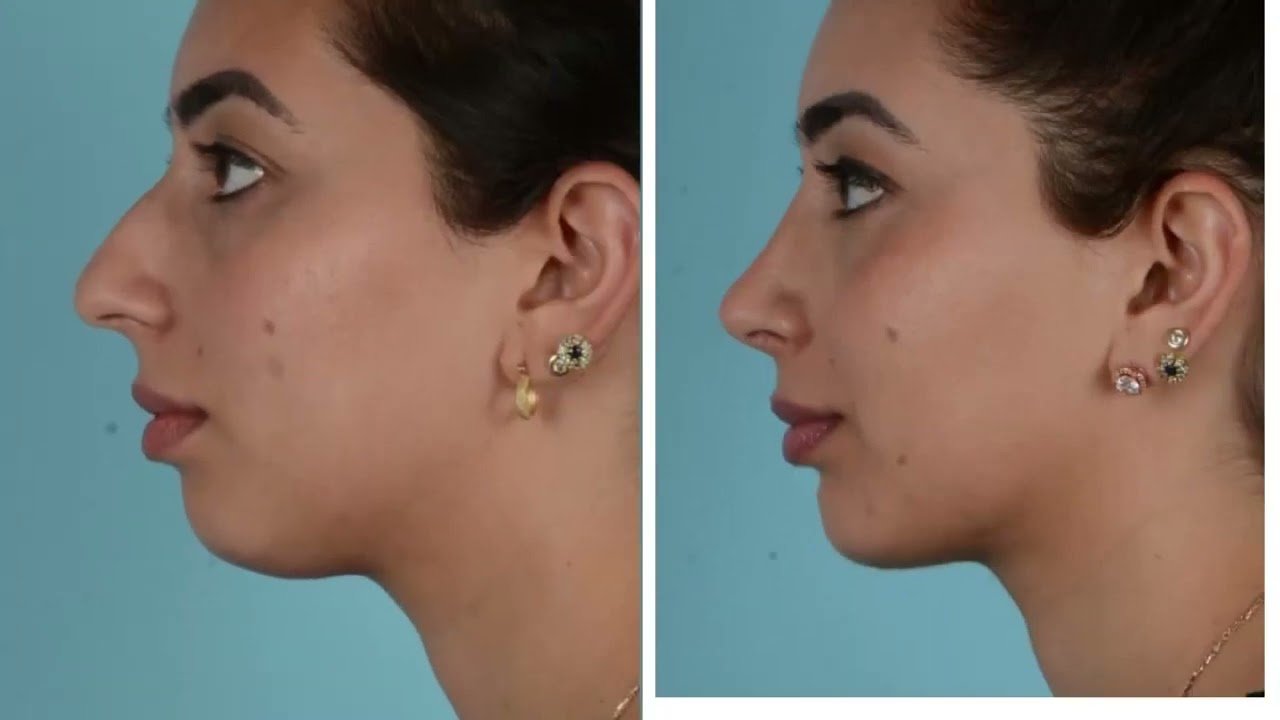
Choosing rhinoplasty is an important decision that requires careful research, realistic expectations, and an understanding of different surgical techniques. Rhinoplasty, commonly known as nose surgery, can improve the appearance of the nose and, in some cases, address breathing difficulties. However, the right surgical approach depends on the patient’s nasal anatomy, functional concerns, medical history, and desired results.
When researching rhinoplasty clinics, patients should look beyond attractive before-and-after photographs. Comparing surgical approaches, the surgeon’s qualifications, safety standards, recovery expectations, and consultation process can help individuals make informed decisions. Understanding these factors is particularly important for people considering Rhinoplasty in Islamabad, where patients may encounter different treatment options and surgical recommendations.
Understanding the Main Rhinoplasty Surgical Approaches
Rhinoplasty is not a one-size-fits-all procedure. Surgeons select an approach based on the complexity of the case and the changes required.
Open rhinoplasty involves a small incision across the columella, the tissue between the nostrils, along with incisions inside the nose. This approach allows the surgeon to lift the skin and obtain a clearer view of the underlying nasal structures.
It may be considered for:
- Complex nasal reshaping.
- Significant changes to the nasal tip.
- Revision rhinoplasty.
- Cases requiring detailed structural adjustments.
Closed rhinoplasty uses incisions inside the nostrils, without an external columellar incision. It may be suitable for selected patients whose desired changes can be achieved through this approach.
Potential considerations include:
- No external columellar incision.
- Limited visibility compared with the open approach.
- Suitability for certain straightforward nasal modifications.
Neither technique is universally superior. The best approach depends on individual anatomy, surgical objectives, and the surgeon’s assessment.
Compare Functional and Cosmetic Surgical Goals
Before comparing clinics, patients should identify whether they are seeking cosmetic changes, improved nasal breathing, or both. This distinction can influence the surgical plan.
Cosmetic rhinoplasty may address concerns such as a prominent nasal bridge, a drooping tip, asymmetry, or the overall proportions of the nose. Functional rhinoplasty may address structural problems that affect airflow, sometimes alongside cosmetic modifications.
During your research, ask whether the clinic evaluates both appearance and function when appropriate.
Important questions include:
- Will the surgeon assess my breathing and nasal structure?
- Can my cosmetic goals be achieved without compromising nasal function?
- Do I need additional procedures, such as septoplasty?
- What limitations might my anatomy place on the final result?
A responsible surgeon should explain the potential benefits, limitations, and risks of the proposed approach rather than promise a perfect result.
Evaluate the Surgeon’s Qualifications and Experience
A clinic’s reputation matters, but the qualifications and experience of the individual performing your surgery are equally important. Rhinoplasty requires detailed knowledge of nasal anatomy, facial proportions, and surgical planning.
When comparing rhinoplasty clinics, review the surgeon’s:
- Relevant specialist qualifications and professional registration.
- Experience with primary and revision rhinoplasty, where applicable.
- Understanding of both cosmetic and functional nasal concerns.
- Ability to explain different surgical options clearly.
- Approach to managing complications and postoperative care.
Ask who will perform the operation and where it will take place. Also, confirm that the surgical facility has appropriate equipment, trained staff, and suitable arrangements for anesthesia and emergency care.
Assess Before-and-After Results Carefully
Before-and-after photographs can help you understand a surgeon’s aesthetic approach, but they should not be the only basis for choosing a clinic. Lighting, camera angles, facial expressions, and image editing can influence how results appear.
Look for photographs showing patients with concerns similar to yours, such as a broad nasal tip, a prominent bridge, or asymmetry. Where possible, review standardized photographs taken from multiple angles.
Consider these factors:
- Does the nose look balanced with the patient’s other facial features?
- Are the results consistent across several patients?
- Is the nasal tip appropriately supported?
- Are the photographs presented transparently?
- Does the clinic explain that individual outcomes vary?
Remember that swelling can persist for months, and final rhinoplasty results may take a year or longer to become apparent.
Compare Consultation Quality, Risks, and Recovery
A detailed consultation should help you understand the proposed surgical approach and decide whether it matches your needs. Avoid selecting a clinic solely because it offers a particular technique or promises a quick recovery.
A thorough consultation should cover:
- Your medical history and reasons for seeking surgery.
- Nasal examination and assessment of breathing, when relevant.
- Expected improvements and realistic limitations.
- Potential risks, including bleeding, infection, asymmetry, breathing changes, and the possibility of revision surgery.
- Anesthesia, recovery arrangements, follow-up visits, and aftercare.
Patients should also ask how long they may need away from work, when exercise can usually resume, and which symptoms require urgent medical attention. Recovery varies according to the procedure and the individual.
Choosing a Rhinoplasty Clinic in Islamabad
When comparing local providers, prioritize medical expertise, transparent communication, patient safety, and appropriate follow-up care. SKN Cosmetics in Islamabad is one option patients can research when exploring aesthetic treatment services. Prospective patients should arrange a consultation to confirm the available rhinoplasty services, the qualifications of the surgeon who would perform the procedure, and the suitability of the proposed surgical approach for their needs.
Before making a decision, compare clinics using the same criteria rather than relying on promotional claims. Ask for a clear explanation of the treatment plan, expected costs, possible additional expenses, and postoperative support. A trustworthy clinic should encourage questions and allow patients to make decisions without pressure.
Making an Informed Rhinoplasty Decision
Comparing surgical approaches is about understanding which method is appropriate for your anatomy and goals, not simply identifying the most popular technique. Open and closed rhinoplasty each have potential advantages and limitations, and the surgeon’s experience and planning are central to the decision.
Take time to review qualifications, discuss functional concerns, understand the risks, and compare recovery plans. For anyone researching rhinoplasty in Islamabad, a consultation with a suitably qualified surgeon can provide personalized guidance and help establish realistic expectations before proceeding.
Frequently Asked Questions
Q1: What are the main types of rhinoplasty?
A: The main approaches are open and closed rhinoplasty, selected according to the patient’s needs.
Q2: Is open rhinoplasty better than closed rhinoplasty?
A: Neither is always better. The appropriate method depends on nasal anatomy and surgical goals.
Q3: How do I compare rhinoplasty clinics?
A: Review surgeon qualifications, relevant experience, safety standards, consultation quality, and aftercare.
Q4: How long does rhinoplasty recovery take?
A: Initial recovery often takes a few weeks, while final results may take a year or longer.
Q5: What should I ask during a rhinoplasty consultation?
A: Ask about the recommended technique, expected results, risks, costs, recovery, and follow-up care.