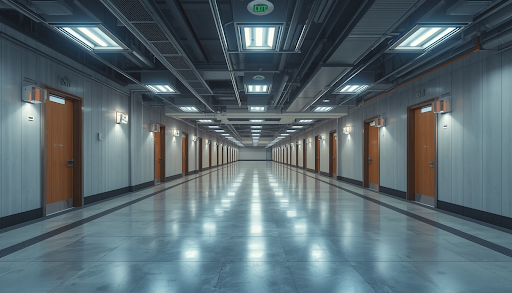
Safety is one of the most important considerations in any residential, commercial, or industrial building. During emergencies such as power failures, fires, or unexpected electrical issues, proper visibility can help people evacuate safely and quickly. This is where an emergency lighting system becomes essential.Emergency lighting provides automatic illumination when the main power supply fails, helping occupants find exits, navigate through dark areas, and follow evacuation routes. Choosing the right system requires careful planning based on building type, safety regulations, lighting requirements, and reliability.This guide explains the key factors to consider when selecting the best emergency lighting system for your building.
What Is an Emergency Lighting System?
An emergency lighting system is a safety lighting solution designed to operate when normal lighting fails. These systems use backup power sources, such as batteries or generators, to provide temporary illumination during emergencies.Unlike regular lighting, emergency lights automatically activate when a power interruption occurs. They are commonly installed in exit routes, stairways, corridors, entrances, and high-risk areas where visibility is necessary for safe movement.
Why Emergency Lighting Is Important
A reliable emergency lighting system plays a critical role in protecting building occupants during unexpected situations.
The main benefits include:
- Provides clear visibility during power outages.
- Helps people locate emergency exits quickly.
- Reduces panic and confusion during evacuations.
- Supports compliance with safety regulations.
- Improves overall building security.
Without proper emergency lighting, even a simple power failure can create dangerous conditions, especially in large buildings with many occupants.
Understand Different Types of Emergency Lighting Systems
Before choosing a system, it is important to understand the available options.
Maintained Emergency Lighting
Maintained emergency lights operate continuously as normal lighting and switch to battery power during a power failure. These are commonly used in public buildings, retail spaces, hotels, and areas where exit signs need to remain visible at all times.
Non-Maintained Emergency Lighting
Non-maintained emergency lights remain off during normal conditions and only activate when the main power supply fails. They are often installed in offices, warehouses, and areas where emergency lighting is only required during outages.
Combined Emergency Lighting
Combined systems include both normal and emergency lighting functions in a single fixture. They provide flexibility and are suitable for spaces that require regular illumination along with backup lighting.
Consider Your Building Type and Requirements
Different buildings have different emergency lighting needs. The right system depends on the purpose, size, and occupancy of the building.
Residential Buildings
Homes, apartments, and residential complexes may require emergency lighting in staircases, hallways, parking areas, and shared spaces.
Commercial Buildings
Offices, shopping centers, and business facilities often need emergency lighting throughout evacuation routes, meeting areas, and public spaces.
Industrial Buildings
Factories and warehouses may require specialized systems designed for large areas, heavy equipment zones, and high-risk environments.
Public Buildings
Schools, hospitals, and entertainment venues need highly reliable emergency lighting because they accommodate large numbers of people.
Check Lighting Coverage and Placement
Proper placement is essential for an effective emergency lighting system. Lights should provide sufficient illumination in areas such as:
- Emergency exits
- Staircases
- Hallways and corridors
- Fire equipment locations
- Changes in floor levels
- Assembly points
A professional assessment can help determine the number and placement of fixtures required for complete coverage.
Evaluate Battery Life and Backup Duration
The backup battery is one of the most important components of an emergency lighting system. A quality system should provide enough operating time to allow safe evacuation and emergency response.
When selecting a system, consider:
- Battery performance.
- Charging time.
- Expected lifespan.
- Replacement requirements.
- Testing features.
Reliable batteries reduce maintenance issues and improve safety during emergencies.
Choose Energy-Efficient Lighting Technology
Modern emergency lighting systems often use LED technology because of their efficiency and durability. LED emergency lights consume less energy, provide better brightness, and require less maintenance compared to traditional lighting options.Energy-efficient systems can reduce long-term operating costs while maintaining safety standards.
Consider Testing and Maintenance Features
Regular testing is essential to ensure emergency lighting works properly when needed. Many modern systems include automatic testing features that monitor battery condition and system performance.
A good maintenance plan should include:
- Regular inspections.
- Battery checks.
- Cleaning of fixtures.
- Functional testing.
- Replacement of damaged components.
A properly maintained system provides reliable protection when emergencies occur.
Follow Safety Standards and Regulations
Emergency lighting must comply with local building codes and safety standards. Requirements may vary depending on location, building type, and occupancy level.Before installation, consult qualified professionals to ensure the system meets all necessary regulations and provides adequate protection.
Common Mistakes to Avoid
When selecting an emergency lighting system, avoid these common mistakes:
- Choosing a system without evaluating building requirements.
- Installing too few lights for proper coverage.
- Ignoring battery maintenance.
- Using poor-quality lighting products.
- Failing to test the system regularly.
Proper planning ensures better performance and long-term reliability.
Conclusion
Choosing the right emergency lighting system is an important investment in building safety. A well-designed system provides reliable illumination during power failures, supports emergency evacuation, and helps protect occupants in critical situations.By considering your building type, lighting requirements, battery performance, energy efficiency, and maintenance needs, you can select an emergency lighting solution that delivers dependable protection. A properly installed and maintained emergency lighting system is not just a safety feature—it is an essential part of responsible building design.