
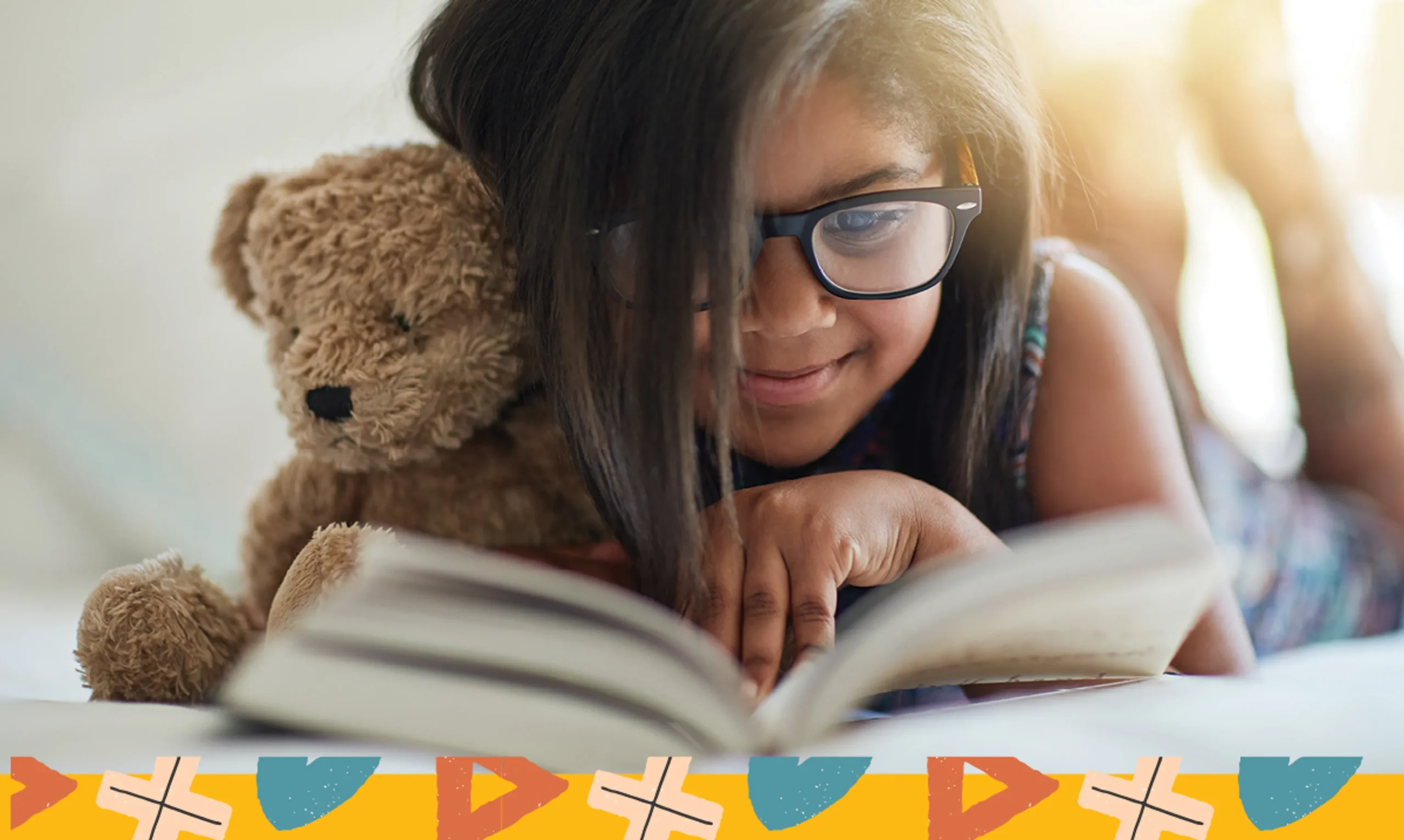
Finding a story that holds a young reader’s attention while building strong character takes careful thought. Whether you are a parent browsing library shelves or a young reader looking for a protagonist who feels like a Puzzled Pup trying to figure out the rules of a big world, the right story makes big ideas easy to grasp. This guide shows you how to spot well-crafted children’s books that spark honest conversations and teach lasting values naturally.
Why Stories Teach Values Better Than Lectures
Children learn best when they feel emotionally connected to what happens around them. A direct lecture about sharing, honesty, or patience often triggers defensiveness or boredom because it tells a child what to do without showing why it matters. Stories bypass that resistance by placing a relatable character in a situation the reader recognizes from daily life.
When a young reader watches a character struggle with a tough choice, they experience the emotional weight of that decision from a safe distance. They feel the sting of a broken promise or the warmth of an unexpected act of kindness alongside the protagonist. This emotional rehearsal builds empathy far more effectively than a list of household rules ever could.
Good stories also give families and classrooms a shared vocabulary. Instead of bringing up a child’s mistake directly during a tense moment, an adult can ask what a favorite book character might do in the same spot. That small shift turns a potential power struggle into a collaborative problem-solving moment.
Matching Life Lessons to a Child’s Developmental Stage
A lesson only sticks when a child has the emotional and cognitive maturity to understand it. Choosing a book with themes that are too abstract can leave young readers confused, while overly simplistic tales can bore older kids. Paying attention to how children process the world at different ages helps you select stories that truly resonate.
Toddlers and Preschoolers (Ages 2 to 5)
At this stage, children are just beginning to understand that other people have separate feelings and needs. The most effective Children’s Books for this age group focus on concrete, everyday social skills rather than complex moral dilemmas. Look for stories centered on taking turns, naming big emotions, handling frustration, and using gentle hands.
Repetitive text and clear, expressive illustrations do the heavy lifting for early readers. Toddlers need to see a direct, immediate link between an action and its consequence, such as a character knocking over a block tower and seeing a friend’s sad face before helping rebuild it.
Early Elementary Readers (Ages 6 to 8)
As children enter school, their social worlds expand rapidly, bringing new challenges around fairness, friendship, and honesty. Readers in this bracket are ready for stories where characters make mistakes, feel guilt or embarrassment, and work to make things right. Themes like inclusion, handling jealousy, and persevering through a difficult new skill hit close to home.
Books for this age group benefit from humor and a bit of adventure. When a character navigates a playground conflict or owns up to breaking a rule, young readers start connecting those fictional choices to their own school days.
Tweens and Middle-Grade Readers (Ages 9 to 12)
Older children are capable of handling nuance, moral ambiguity, and long-term consequences. They quickly reject stories that tie everything up with a neat, unrealistic bow. Instead, look for chapter books and graphic novels that explore peer pressure, standing up for others, navigating family changes, and understanding different perspectives.
At this level, the best life lessons emerge from complex relationships rather than a single isolated event. Readers appreciate characters who wrestle with competing loyalties or discover that doing the right thing sometimes carries a social cost.
Five Signs of a High-Quality Lesson-Driven Book
Walking down a bookstore aisle or scrolling through online catalogs can feel overwhelming when thousands of titles promise to teach good manners or emotional intelligence. Looking closely at how the author constructs the narrative helps separate genuine literature from thinly disguised instruction manuals.
1. The Character Solves the Problem Independently
Watch out for stories where a wise adult steps in at the final page to explain the moral and fix the mess. Children gain confidence when they see peers or animal protagonists figure things out through trial, error, and personal growth. Adults in the story can offer support or ask guiding questions, but the main character should own the realization and the resolution.
2. The Moral Emerges Through Action, Not Preaching
Strong storytelling trusts the reader to connect the dots. If a book ends with a bolded sentence stating what the character learned, the author probably did not trust the plot to carry the message. Look for narratives where the shift in a character’s behavior demonstrates the lesson clearly without spelling it out like a textbook summary.
3. Mistakes Have Realistic Consequences
If a character tells a lie or excludes a classmate, the fallout should feel believable to a child. Instant forgiveness without an apology or effort teaches kids that actions do not really matter. Conversely, overly harsh punishment shifts the focus from empathy to fear. The best stories show natural social consequences—like a friend needing time to rebuild trust—followed by genuine repair.
4. The Illustrations Support the Emotional Subtext
In picture books, artwork carries half the storytelling weight. Examine how the illustrator depicts facial expressions, body language, and color palettes during tense or quiet moments. Sometimes a character says they are fine while the illustration shows slumped shoulders and downcast eyes, giving young readers a chance to practice reading emotional cues.
5. The Story Remains Entertaining on Its Own
Ask yourself whether a child would ask to read the book a second or third time purely for the joy of the story. Humor, vivid settings, rhythmic language, and quirky characters keep kids coming back. Repetition is how children internalize ideas, so a book must be fun enough to survive dozens of bedtime readings.
Common Pitfalls to Avoid When Selecting Books
Even well-meaning adults can accidentally pick books that miss the mark or send mixed messages. Being aware of a few common traps makes it easier to curate a bookshelf that genuinely supports a child’s growth.
- Overly Didactic “Message” Books: Many books written specifically to fix a behavior—such as whining, biting, or screen overuse—read like pamphlets with pictures. Children spot the agenda immediately and often tune out the message.
- Perfectionist Role Models: Characters who never lose their temper, never feel jealous, and always know the right thing to say can make real kids feel inadequate. Flawed, relatable characters give children permission to be imperfect while still trying to do better.
- Outdated Stereotypes: Older classics sometimes reinforce narrow ideas about gender roles, family structures, or conflict resolution that clash with modern values. Reviewing older titles before handing them over ensures the underlying message aligns with what you want to teach.
- Using Books as Punishments: Handing a child a book about sharing right after they snatch a toy turns reading into a disciplinary tool. Introduce lesson-rich stories during calm, neutral moments so the ideas sink in without shame attached.
Quick Reference Guide: Matching Themes to Story Elements
Choosing the right book becomes much simpler when you know what core theme you want to explore and which narrative elements bring that theme to life. The table below outlines common life lessons alongside the specific story traits and discussion prompts that help reinforce them for young readers.
| Core Life Lesson | Best Age Range | Key Story Elements to Look For | Helpful Post-Reading Question |
| Empathy & Kindness | Ages 3–8 | Characters noticing someone left out; clear facial expressions showing different feelings; small, everyday acts of help. | “How could you tell how that character was feeling before they said anything?” |
| Honesty & Accountability | Ages 5–10 | A character hiding a mistake that snowballs; internal worry or guilt; a brave apology that repairs trust. | “What made telling the truth so hard in that moment, and what changed afterward?” |
| Resilience & Perseverance | Ages 4–11 | Multiple failed attempts at a skill; frustration handled without giving up; shifting strategies instead of quitting. | “What did the character try when their first plan did not work?” |
| Patience & Self-Control | Ages 2–7 | Waiting for something exciting; pausing to take a breath during anger; rhythmic or calming text pacing. | “What helped the character calm down when they felt ready to explode?” |
| Courage & Standing Up | Ages 7–12 | Peer pressure scenarios; a bystander deciding whether to speak up; navigating social discomfort for a friend. | “What do you think would have happened if nobody had spoken up?” |
Using a quick framework like this prevents impulse buying and helps you build a balanced home or classroom library. Rather than grabbing ten books on manners, you can intentionally select stories that cover emotional regulation, integrity, and social courage across different reading levels.
Practical Ways to Evaluate a Book Before Buying or Borrowing
You do not need to read an entire book from cover to cover in the library aisle to tell if it will work well. A fast three-minute inspection gives you plenty of clues about the quality of the writing and the depth of the message.
Start by reading the opening spread and the final two pages. Check whether the opening hooks you with an interesting problem or character voice, and look at the ending to make sure it avoids a preachy wrap-up. Next, flip to the middle of the book to see the turning point—the moment where the conflict peaks and the character begins to change.
Look closely at the dialogue as well. Read a few lines out loud under your breath to hear if the characters sound like real kids or stiff adults delivering talking points. Natural dialogue makes it much easier for you to read expressively and keeps young listeners engaged from start to finish.
Finally, check library databases, educator book lists, and independent children’s bookstore recommendations. Organizations like the Association for Library Service to Children (ALSC) and awards such as the Schneider Family Book Award or the Coretta Scott King Book Awards highlight books vetted by literacy experts for both literary merit and meaningful themes.
How to Talk About Book Lessons Without Ruining Storytime
Even the best book loses its magic if every reading turns into a pop quiz. Children associate reading with comfort, imagination, and connection, so keeping conversations light and organic protects their love of books.
Let the child lead the discussion whenever possible. Pause briefly after turning the final page to give them space to react, ask a question, or point out a detail in the artwork. Often, kids will bring up the exact theme you hoped they would notice without any prompting at all.
When you do ask a question, stick to open-ended prompts rooted in curiosity rather than judgment. Asking “What would you have done if you were in that spot?” invites creative thinking, whereas “See why you shouldn’t lie?” shuts down conversation immediately. Keep discussions brief—one or two thoughtful exchanges are plenty before moving on to the next story or turning out the light.
Conclusion
Choosing Children’s Books that teach life lessons does not mean sacrificing fun, humor, or great storytelling. The most memorable stories respect a child’s intelligence, feature flawed and relatable characters, and let important values shine through realistic choices rather than heavy-handed lectures. By matching themes to your reader’s developmental stage, checking for authentic character growth, and keeping post-reading chats relaxed, you turn ordinary reading time into a lasting foundation for character. Next time you visit your local library or bookstore, use these simple checks to pick a story that entertains first and inspires long after the back cover closes.
Frequently Asked Questions
At what age should I start reading books with moral lessons to children?
You can start as early as age two with simple board and picture books that focus on basic feelings, sharing, and gentle behavior. At this age, keep expectations realistic—toddlers learn through repetition and clear visuals rather than deep discussions about right and wrong.
Are talking animal stories as effective as stories about human kids?
Yes, animal characters are often more effective for younger readers because they create slight emotional distance. Children can observe a clumsy bear or a stubborn squirrel making a mistake without feeling like the story is pointing a finger directly at their own behavior.
How many times should we read the same lesson-focused book?
Read a favorite book as many times as the child asks for it. Repetition helps young brains process the sequence of cause and effect, notice subtle clues in the illustrations, and internalize how the character solved the problem.
What if a child disagrees with the choice a book character makes?
Welcome the disagreement as a sign of strong critical thinking. Ask the child to explain what they think the character should have done instead and what might have happened as a result, which deepens their moral reasoning far more than simply agreeing with the text.
Should I avoid books where characters behave badly at the beginning?
Not at all, provided the bad behavior serves a clear narrative purpose and leads to realistic growth or consequences. Children enjoy watching mischievous or grumpy characters, and seeing a character genuinely change over the course of a story makes the final lesson much more believable.