
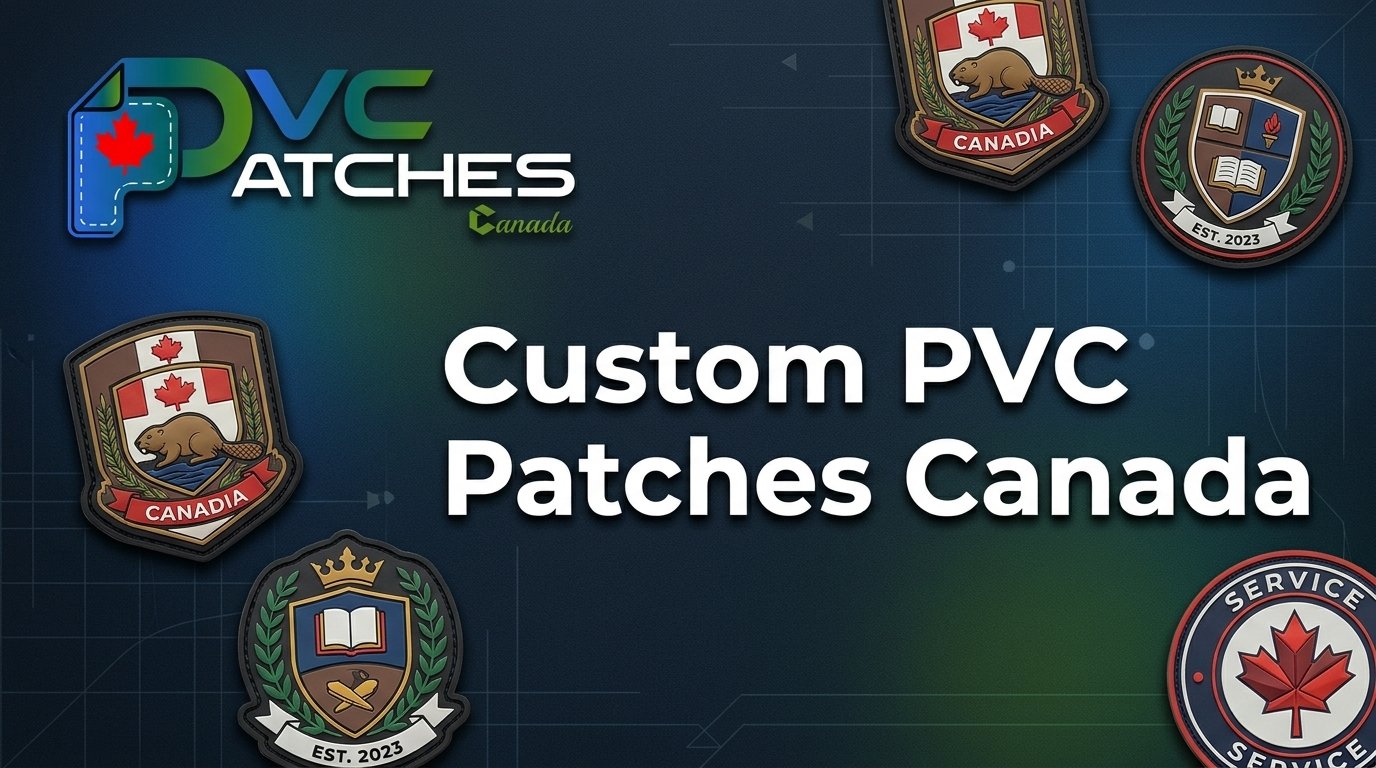
Morale patches have become a popular way for outdoor enthusiasts, emergency preparedness groups, collectors, and recreational teams to personalise their equipment. In Canada, where activities such as hiking, camping, hunting, and winter sports are common, PVC Morale Patches Canada are worth considering for their distinctive designs, practical durability, and suitability for many types of gear.
However, selecting a suitable morale patch involves more than choosing an attractive graphic. Material quality, patch size, backing type, weather exposure, and design clarity all influence how well a patch performs. Understanding these factors can help individuals choose patches that suit their activities, express their interests, and remain useful during regular outdoor adventures.
What Are PVC Morale Patches?
PVC morale patches are decorative or identification patches made from polyvinyl chloride, a flexible synthetic material. They often feature humorous illustrations, motivational messages, outdoor symbols, team insignias, or other graphics that communicate a person’s interests or group identity.
Unlike embroidered patches, which use thread to form an image, PVC patches are moulded into shape. This production method allows manufacturers to create raised lettering, recessed details, textured backgrounds, and distinct colour sections.
Morale patches can serve several purposes. Some are collected as souvenirs, while others are attached to backpacks, jackets, equipment organisers, and compatible uniforms. Their designs may be playful, motivational, symbolic, or connected to a particular hobby or community.
How PVC Differs From Embroidered Patches
Both PVC and embroidered patches can be useful, but they offer different visual and practical characteristics.
- PVC patches: Provide defined outlines, moulded details, and a three-dimensional appearance.
- Embroidered patches: Use stitched threads to create a textured, fabric-based design.
- Woven patches: Use fine woven threads to reproduce smaller details and relatively intricate text.
PVC is generally resistant to moisture and can be easier to wipe clean than thread-based designs. However, embroidered patches may better suit people who prefer a traditional fabric appearance. The best choice depends on the intended application, design complexity, and personal preference.
Why PVC Morale Patches Suit Canadian Outdoor Activities
Canada’s outdoor environments vary considerably. Equipment may encounter wet coastal weather, muddy trails, dry summer conditions, snow, and freezing temperatures. A patch selected for outdoor use should be appropriate for the conditions in which it will be worn.
Moisture and Rain Resistance
PVC is generally water-resistant, making it useful for many outdoor applications. A patch attached to a hiking backpack, camping organiser, or recreational equipment bag can be easier to maintain after exposure to light rain or splashes than a patch that absorbs moisture readily.
Nevertheless, the patch material is only one part of the equation. The backing and attachment method also affect performance. An adhesive may weaken on a wet or dirty surface, while a poorly secured hook-and-loop panel may collect debris or detach during movement.
For equipment that regularly encounters rain, consider how the patch will be attached and whether the receiving surface is compatible with the selected backing.
Performance in Cold Weather
Canadian winters can expose outdoor gear to temperatures that affect the flexibility of synthetic materials and the performance of adhesives. Not every PVC formulation behaves identically in cold conditions.
If a patch will be used on winter jackets, snowboarding bags, or equipment carried during cold-weather camping, ask about the material’s suitability for the expected temperature range. Testing a sample before ordering several patches can help reveal whether the material or backing meets practical needs.
Durability During Everyday Use
Backpacks and outdoor equipment often rub against clothing, vegetation, vehicle interiors, and rough surfaces. A patch used regularly may experience abrasion, bending, and repeated handling.
When comparing patches, inspect their edges, raised features, and backing. Designs with clearly defined details and suitable thickness may be easier to maintain, but greater thickness does not automatically guarantee better durability. Manufacturing quality and the conditions of use remain important.
Choosing the Right Design for a Morale Patch
A morale patch often communicates a message through a small image or short phrase. Since the available space is limited, effective design requires clarity and careful attention to detail.
Select a Theme That Matches Its Purpose
Begin by identifying why the patch is needed. A hiker might choose a mountain illustration, a camping enthusiast may prefer a tent or compass design, and a cycling club could use a symbol representing its shared interests.
Collectors may prioritise unique artwork or a design connected to a particular event. Groups using patches for identification may need consistent colours and symbols that are easy to recognise.
Establishing the purpose first helps prevent unnecessary design elements from making the patch confusing.
Keep Text Short and Readable
PVC moulding can reproduce lettering, but small text and thin lines may become difficult to distinguish. This is especially true when a patch is viewed from a distance or attached to moving equipment.
Consider the following design practices:
- Choose a clear font with recognisable letter shapes.
- Keep slogans short enough to read quickly.
- Avoid extremely thin lines and narrow gaps.
- Use sufficient contrast between the text and background.
- Confirm the finished dimensions before approving production.
For example, a patch featuring a short camping-related phrase may communicate its message more effectively than one containing several lines of small text.
Use Colour and Contrast Carefully
Colour can influence both the appearance and visibility of a morale patch. A dark design placed on a dark backpack may be difficult to distinguish, while contrasting colours can make important details stand out.
For a patch intended for a camouflage bag or outdoor jacket, consider how the colours interact with the background. If the purpose is decorative, a bold combination may be appropriate. If the patch needs to be identified quickly, simpler colours and clear shapes may be more effective.
Design consistency also matters when multiple patches are produced for a group. Using a defined colour palette helps maintain a recognisable appearance across different items.
Understanding PVC Patch Shapes and Construction
PVC morale patches can be produced in various shapes, including circles, rectangles, shields, and custom outlines. The shape should support the artwork without making the patch unnecessarily difficult to attach.
Flat and Raised Designs
Flat or two-dimensional designs use defined colour areas and relatively simple surface levels. They can work well for straightforward symbols, logos, and text.
Raised or three-dimensional designs add depth through elevated lettering, borders, or illustrations. This can make specific features more noticeable and give the patch a distinctive appearance.
The decision should be based on the artwork. A simple symbol may not need raised elements, while a detailed emblem could benefit from added depth. Complex designs should be reviewed carefully to ensure that small features remain distinguishable at the selected size.
Choosing the Right Size
The ideal patch size depends on where it will be attached. A small patch may suit a shoulder panel or compact equipment pouch, whereas a larger design may be more appropriate for a backpack or display board.
Before ordering, measure the available attachment area and consider nearby seams, zippers, pockets, and straps. A patch should not obstruct access to equipment or interfere with the garment’s intended function.
It is also useful to review the artwork at its actual printed or moulded size rather than relying entirely on a large image displayed on a computer screen.
Selecting the Best Backing for Your Gear
Backing determines how a patch attaches to a garment or piece of equipment. The correct option depends on whether the patch needs to be permanent, removable, or temporarily attached.
Hook-and-Loop Backing
Hook-and-loop backing is a common option for removable morale patches. It allows users to attach and replace designs on compatible panels without sewing each patch directly onto the item.
This can be useful for backpacks, jackets, equipment pouches, and uniforms designed with hook-and-loop areas.
Before selecting this option, check that the receiving panel is compatible and large enough. The patch should fit securely without hanging over the panel’s edges. Dirt, lint, and worn fastening material can reduce grip, so occasional cleaning and inspection may be necessary.
Sew-On Backing
Sew-on patches are attached directly to fabric. This option may suit clothing or equipment that does not have a compatible hook-and-loop panel.
Sewing can provide a more permanent attachment when performed correctly. However, the fabric must be suitable for stitching, and the patch should be positioned where the stitching will not interfere with pockets, protective features, or other components.
For frequently used outdoor gear, inspect the stitching periodically for loose threads or damaged fabric.
Adhesive Backing
Adhesive backing may work for temporary displays or selected smooth surfaces. Its reliability depends on the adhesive formulation, surface preparation, temperature, moisture, and amount of movement.
It may be less suitable for outdoor gear that experiences repeated washing, heavy abrasion, or extreme weather. Always confirm the adhesive’s compatibility with the intended surface before relying on it.
Practical Uses for PVC Morale Patches
Morale patches are versatile because they can combine personal expression with practical identification.
Hiking and Camping Equipment
Outdoor enthusiasts can use patches to personalise backpacks, storage pouches, and camping organisers. A patch showing a mountain range, wildlife, or a favourite outdoor activity can make equipment easier to distinguish in shared spaces.
For camping equipment, choose an attachment method that will remain secure during packing, unpacking, and transportation. A patch should not interfere with straps, buckles, or other functional components.
Clubs and Recreational Groups
Hiking clubs, cycling groups, camping communities, and recreational teams may use matching patches to create a shared identity. A consistent design can help members recognise one another at gatherings and organised activities.
Groups should agree on dimensions, colours, and artwork before ordering. Requesting a proof helps ensure that every patch follows the approved design.
Collecting and Personal Expression
Some people collect morale patches based on themes, locations, hobbies, or memorable events. PVC construction can support distinctive shapes and moulded features that appeal to collectors.
For display collections, consider how patches will be stored and arranged. Keep them away from prolonged direct sunlight and excessive heat, and avoid placing heavy objects on them if pressure could deform their shape.
Equipment Identification
In some settings, patches can help distinguish bags, pouches, or equipment belonging to different people. Simple symbols or short labels may be more effective than complicated illustrations when rapid recognition is the main goal.
Decorative morale patches should not be confused with official safety or identification markings. Where an activity or workplace requires regulated labels, emergency symbols, or high-visibility indicators, those requirements should take priority.
How to Check Patch Quality Before Ordering
A patch can look appealing in a digital mock-up but differ from expectations when manufactured. Checking important details before approving an order helps reduce the risk of receiving unsuitable products.
Review the Artwork Proof
Confirm the finished dimensions, colours, text, border shape, and backing type. Look closely at small lettering and narrow gaps that might be difficult to reproduce.
Ask the manufacturer whether any details need to be simplified. A design that works well on a large screen may need adjustments to remain clear at a smaller size.
Request a Sample
When practical, examine a physical sample before placing a large order. Check its flexibility, surface finish, edge quality, colour separation, and attachment strength.
If the patch is intended for outdoor use, test it on the actual type of equipment. This provides a more realistic assessment than evaluating the patch in isolation.
Compare Complete Costs
Price comparisons should include more than the cost of each patch. Consider setup fees, minimum quantities, sample charges, packaging, shipping, and production timelines.
For group orders, confirm how colour variations, manufacturing tolerances, and replacement requests will be handled. Clear expectations can help prevent misunderstandings and make future orders more consistent.
Caring for PVC Morale Patches
Regular maintenance can help preserve a patch’s appearance and attachment. PVC is generally easy to clean, but harsh chemicals and unsuitable storage conditions may cause damage.
For routine cleaning, use a soft cloth and mild soap with water when appropriate. Avoid abrasive materials and strong solvents unless the manufacturer confirms they are safe for the specific product.
If the patch is removable, detach it before washing the garment when practical and when the attachment system permits. Follow the garment’s care label, since washing temperatures and drying methods may affect the backing or stitching.
Inspect patches periodically for cracks, loose stitching, damaged fastening material, or separation from the receiving surface. Addressing these issues early can help prevent patches from becoming lost during outdoor activities.
Conclusion
PVC morale patches offer a practical way to personalise equipment, represent shared interests, and distinguish belongings. Their moulded designs, varied shapes, and adaptable backing options make them suitable for many recreational and everyday applications.
When comparing PVC Morale Patches Canada, consider the climate and conditions in which the patch will be used, the clarity of its artwork, the size of the attachment area, and the reliability of the backing. Reviewing samples, checking production proofs, and maintaining patches properly can also improve their long-term usefulness.
By focusing on function as well as appearance, individuals, collectors, and outdoor groups can choose morale patches that reflect their interests while meeting the practical demands of life and recreation across Canada.