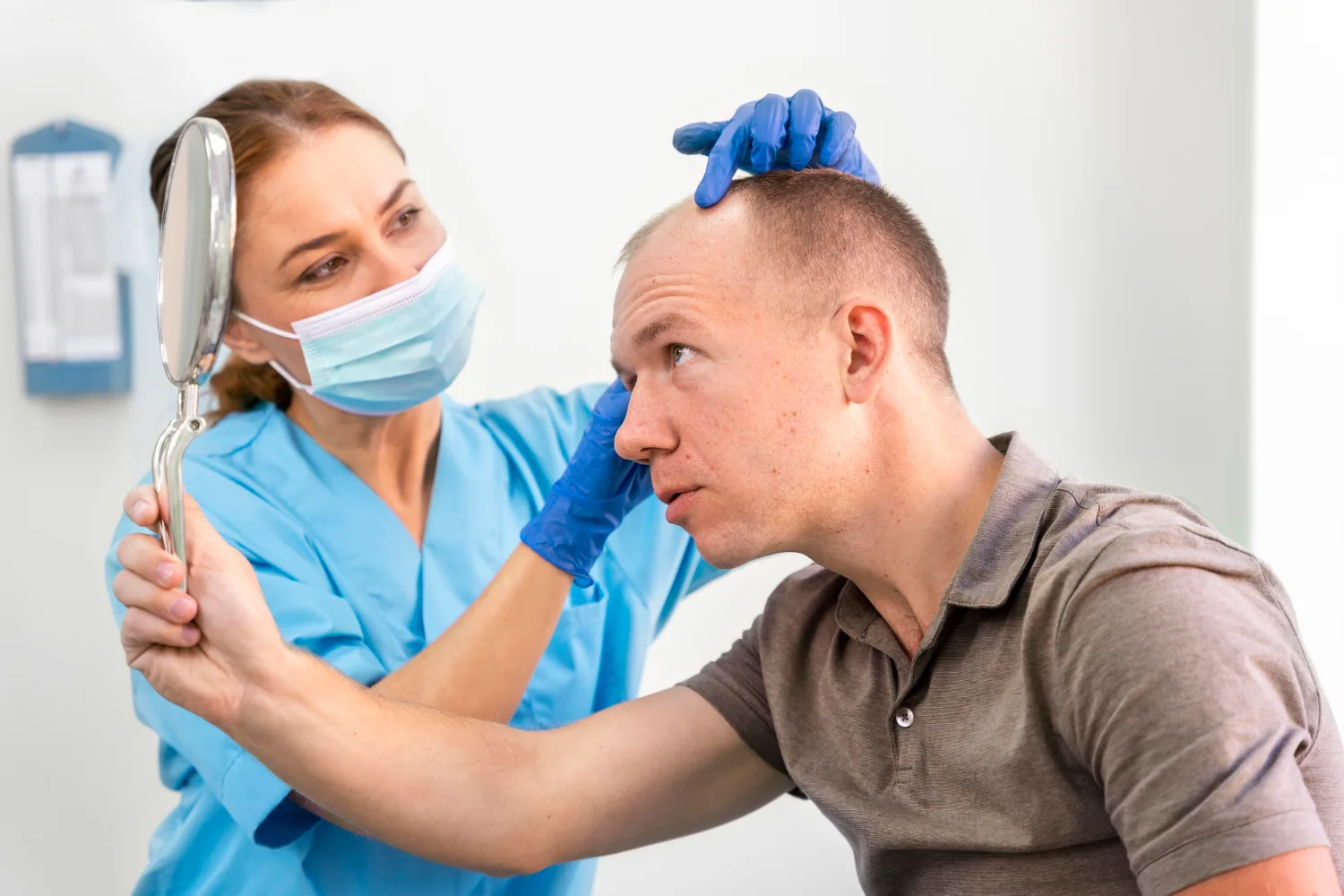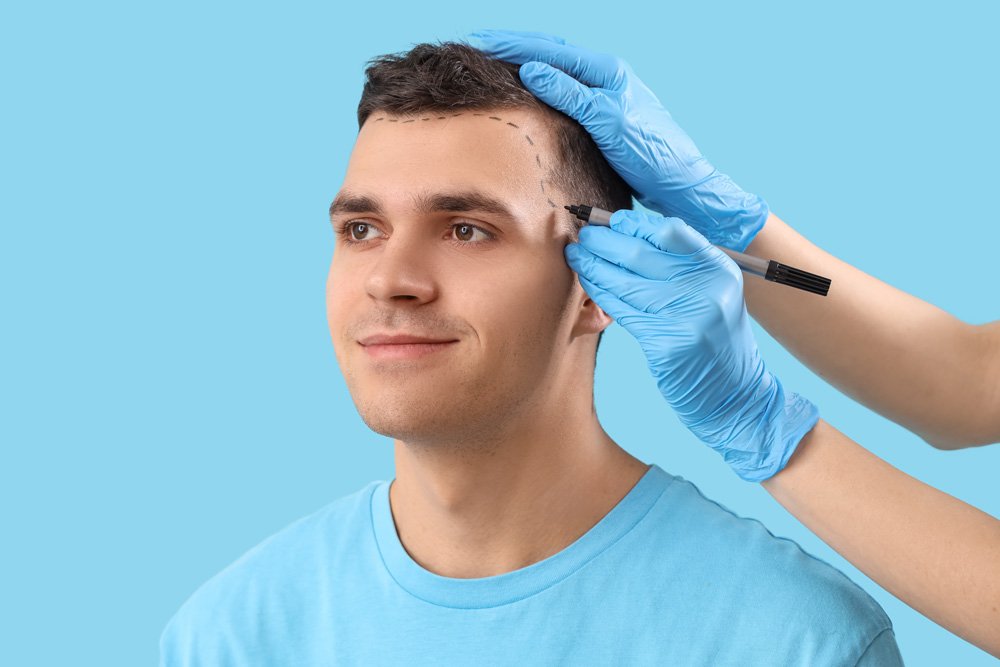
Choosing the right surgeon is one of the most important decisions when considering a hair transplant in Islamabad. Although modern hair restoration techniques such as FUE, FUT, and DHI have improved treatment options, the surgeon’s experience remains a major factor in planning and performing the procedure. A successful hair transplant requires more than technical knowledge. It involves understanding hair loss patterns, evaluating donor hair, designing a natural-looking hairline, and selecting an appropriate treatment approach.
For individuals exploring hair restoration, understanding how surgeon experience influences treatment decisions can help them make informed choices. An experienced surgeon can assess individual needs, explain realistic outcomes, and develop a treatment plan based on long-term hair restoration goals.
Understanding the Role of Surgeon Experience in Hair Transplantation
Surgeon experience influences almost every stage of a hair transplant procedure, from the initial consultation to post-operative care. Hair restoration is a personalised process because every patient has different hair characteristics, scalp conditions, donor hair availability, and patterns of hair loss.
A surgeon with relevant experience can evaluate these factors before recommending a procedure.
Important areas where experience matters include:
- Hair loss assessment: Identifying the type, pattern, and progression of hair loss.
- Donor area evaluation: Determining whether the available hair follicles are suitable for transplantation.
- Hairline design: Creating a hairline that complements facial proportions and looks natural.
- Technique selection: Recommending FUE, FUT, or DHI based on individual requirements.
- Graft management: Planning follicle extraction and placement carefully to protect graft quality.
These considerations help patients understand why choosing a qualified and experienced hair transplant surgeon is essential.
Accurate Hair Loss Assessment and Treatment Planning
Not every individual experiencing hair loss is an ideal candidate for hair transplantation. Some patients may have temporary hair shedding, medical conditions affecting hair growth, or progressive hair thinning that requires further evaluation.
An experienced surgeon considers the patient’s hair loss history, family history, scalp condition, and future hair restoration needs before suggesting surgery.
During an assessment, the surgeon may evaluate:
- The extent and pattern of hair thinning.
- Hair density in the donor and recipient areas.
- Scalp health and existing hair characteristics.
- Previous hair restoration procedures.
- Expected future hair loss.
This assessment helps establish whether surgery is appropriate and how many grafts may be required. It also prevents unrealistic expectations regarding density and coverage.
How Experience Influences Hairline Design
Hairline design is one of the most noticeable aspects of a hair transplant. An improperly planned hairline may look unnatural or fail to complement the patient’s facial structure.
Experienced surgeons understand that natural hairlines are not perfectly straight. They consider facial proportions, age, existing hair growth, and the direction of natural hair.
A personalised hairline plan generally considers:
- Facial symmetry and forehead proportions.
- Natural hair growth direction.
- Appropriate hairline positioning.
- Existing hair density and thickness.
- Long-term hair loss progression.
Rather than focusing only on immediate appearance, a surgeon should create a design that remains suitable as the patient ages.
Choosing the Right Hair Transplant Technique
Different hair transplant methods offer different approaches to follicle extraction and implantation. Surgeon experience helps determine which technique may be appropriate for an individual’s hair restoration goals.
FUE (Follicular Unit Extraction): This method involves extracting individual hair follicles from the donor area and placing them into areas affected by hair loss. It is commonly considered by patients seeking follicular transplantation without a linear donor-area incision.
FUT (Follicular Unit Transplantation): This technique involves removing a strip of scalp tissue from the donor area, from which individual follicular units are prepared for transplantation.
DHI (Direct Hair Implantation): This approach uses specialised implantation instruments to place extracted follicles into the recipient area.
The most suitable technique depends on several factors, including donor hair availability, scalp characteristics, hair loss pattern, and patient preferences. An experienced surgeon should explain the advantages, limitations, and suitability of each option instead of recommending one method for everyone.
Graft Distribution and Donor Area Management
The donor area contains a limited supply of hair follicles, making careful planning particularly important. Poor extraction planning can affect donor-area appearance and reduce the availability of grafts for future procedures.
Surgeon experience plays an important role in determining how follicles should be distributed.
Key considerations include:
- Estimating the number of grafts needed.
- Avoiding excessive extraction from specific donor areas.
- Maintaining an appropriate distribution of follicles.
- Considering existing hair density.
- Preserving donor resources for possible future procedures.
Patients should understand that a higher graft count does not automatically guarantee better results. Appropriate graft selection, handling, and placement are equally important.
Managing Risks and Setting Realistic Expectations
Like other surgical procedures, hair transplantation involves potential risks and recovery considerations. These may include swelling, temporary redness, discomfort, infection, scarring, and temporary shock loss.
An experienced surgeon can help patients understand these possibilities and discuss appropriate precautions. However, experience does not eliminate surgical risks or guarantee a particular result.
Before proceeding, patients should discuss:
- Expected hair growth timelines.
- Possible complications and recovery requirements.
- Realistic density and coverage expectations.
- Post-operative instructions.
- Follow-up appointments and long-term care.
Clear communication helps patients make decisions based on medical suitability rather than unrealistic promises or promotional claims.
How to Evaluate a Hair Transplant Surgeon’s Experience
Before selecting a hair transplant clinic, patients should research the surgeon’s qualifications, relevant surgical experience, and approach to patient care.
Consider asking the following questions during consultation:
- What are your qualifications and surgical experience in hair restoration?
- How do you evaluate donor hair suitability?
- Which technique do you recommend for my condition, and why?
- Can I review examples of your previous work?
- Who performs the extraction and implantation stages?
- What follow-up care is available after surgery?
Patients should also verify professional credentials and understand the surgeon’s specific responsibilities throughout the procedure.
Choosing a Hair Transplant Clinic in Islamabad
Selecting a reliable clinic involves evaluating more than its location, equipment, or advertised treatment packages. Patients should consider the surgeon’s qualifications, consultation process, surgical planning, hygiene standards, and aftercare arrangements.
For individuals researching local hair restoration options, SKN Cosmetics in Islamabad is a clinic worth considering when comparing hair transplant services. Prospective patients can explore the available treatment options, discuss their hair restoration goals, and ask about surgeon qualifications, donor-area assessment, hairline planning, and post-operative support. Before making a decision, patients should confirm which qualified surgeon will perform each stage of the procedure and whether the recommended approach is suitable for their individual needs.
A detailed consultation can help patients understand the treatment process and compare available options with greater confidence.
Why Surgeon Experience Matters for Long-Term Hair Restoration
Hair transplantation should be planned with both current and future hair loss in mind. Patients may continue experiencing natural hair thinning even after transplanted follicles have grown.
An experienced surgeon considers long-term factors such as:
- Potential progression of pattern hair loss.
- Donor-area preservation.
- Future treatment requirements.
- Natural-looking density and hairline development.
- Maintenance and follow-up recommendations.
A thoughtful treatment plan focuses on balanced results rather than simply maximising the number of transplanted grafts.
Summary
Surgeon experience significantly influences hair transplant decisions, including candidate assessment, technique selection, hairline design, graft distribution, and post-operative planning. Patients should prioritise verified qualifications, relevant surgical experience, transparent communication, and realistic expectations when choosing a hair restoration provider. A personalised consultation is an important first step towards making a well-informed decision.
Frequently Asked Questions (FAQs)
Q1. Why is surgeon experience important in hair transplantation?
Experienced surgeons can make informed decisions about hairline design, graft placement, and donor-area management.
Q2. Does surgeon experience affect hair transplant results?
Yes. Surgical planning and technical skills can influence the appearance and quality of results.
Q3. Which hair transplant technique is best?
FUE, FUT, and DHI may suit different patients depending on their hair loss and donor area.
Q4. How can I check a surgeon’s experience?
Review qualifications, relevant surgical experience, patient feedback, and previous work.
Q5. Should I consult a surgeon before choosing a hair transplant?
Yes. A professional consultation helps determine suitability and establish realistic treatment expectations.