Introduction
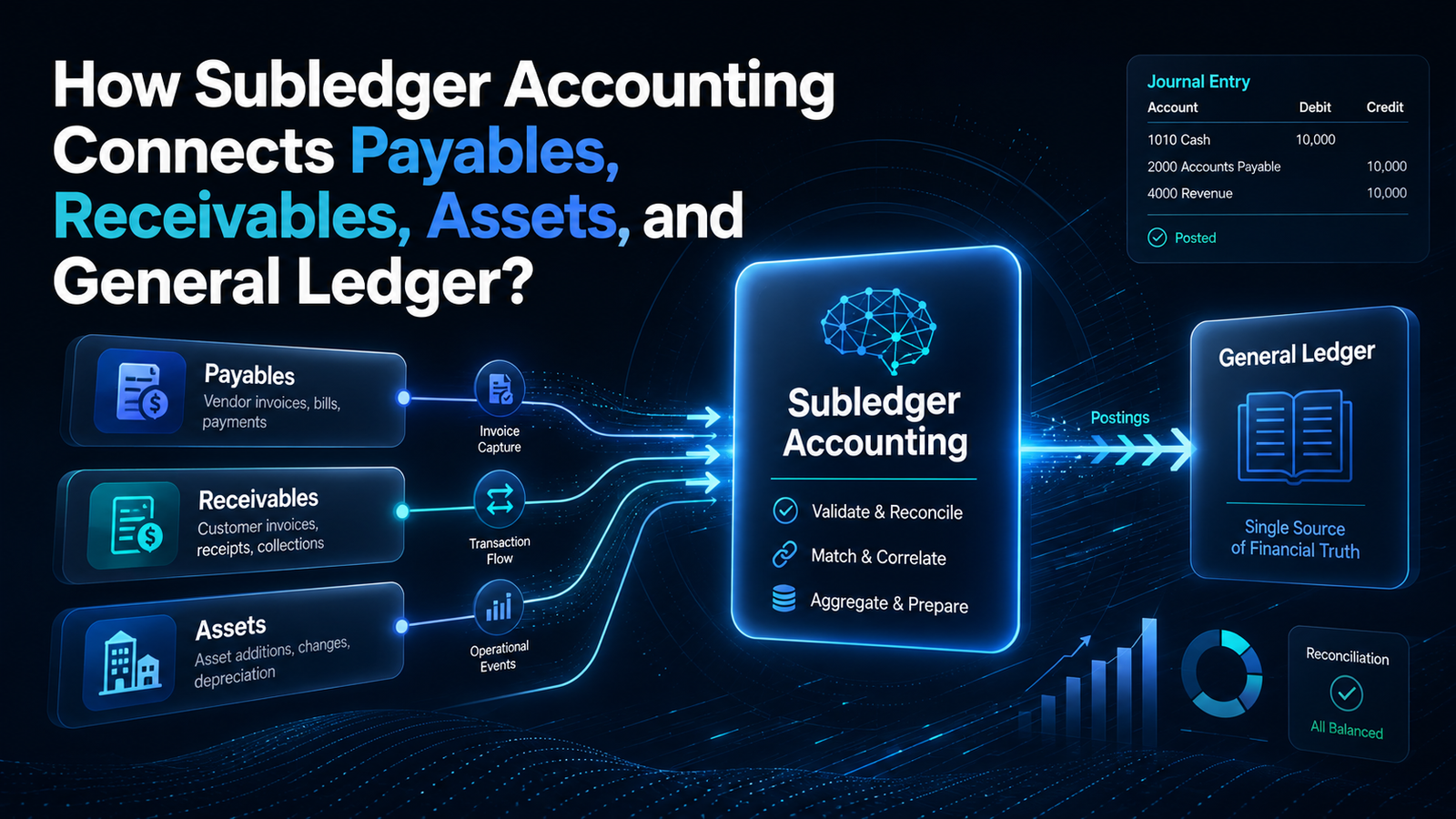
The answer is subledger accounting, and it’s one of those things that runs quietly in the background until something breaks and everyone suddenly cares about it. Tech Leads IT breaks this exact process down in a way that actually makes sense, instead of leaving you to piece it together from dry documentation. If you want to actually understand this instead of just nodding along in meetings, Oracle Cloud Financials Online Training is worth looking into. It’s a lot easier to grasp when you can see the process rather than read about it in the abstract. This post walks through how payables, receivables, and assets all end up feeding the general ledger, and why the whole thing matters more than most people give it credit for.
What is subledger accounting, really?
The easiest way to think about it: it’s a translator. Something happens in the business: a vendor bill shows up, a customer sends a payment, an asset depreciates a little more this month and that event needs to turn into actual accounting: debits, credits, account codes, the works. Oracle Fusion Subledger Accounting does that translation before anything hits the ledger, which gives you a chance to check it, validate it, and trace it if something looks off later.
There’s a decent way to picture this as three stacked layers. Down at the bottom you’ve got the transaction itself, say, an invoice sitting in Payables. In the middle, subledger accounting looks at that invoice and, based on whatever rules have been set up, works out the entry. Up top, General Ledger takes those entries and posts them, turning them into balances that eventually show up in reports.
Skip that middle layer and every application would basically be free to send whatever it wants to the ledger, however it wants. Messy. Oracle Fusion Financials avoids that by letting you define rules so similar transactions produce similar-looking entries, same structure, same references, nothing random. That consistency is what lets someone drill down from a ledger balance all the way back to the transaction that caused it, and it’s a skill you build pretty quickly once you’re doing Oracle Cloud Financials Training Online.
Payables and why “just post it” doesn’t cut it
Payables is, at its core, a record of what a company owes suppliers. But invoices aren’t all the same animal. Rent, raw materials, consulting, utilities, employee reimbursements, freight, tax each one might need completely different treatment. Some are straight expenses. Others get capitalized as assets. Some are tax recoveries. Some just sit as liabilities until someone pays them.
Payables captures the details supplier, lines, distributions, tax, approvals, status and once an invoice clears validation, Subledger Accounting steps in and applies the rules. For a typical expense invoice, that’s usually a debit to expense and a credit to liability. Later, when the payment goes out, the liability gets debited and cash (or a clearing account) gets credited.
Why bother with all this setup? Consistency, mostly. Accounts can be pulled automatically from the distribution, the supplier site, or the expense category. Tax lines can be broken out on their own. Department or project codes can be checked so the combination actually makes sense instead of being a guess.
Timing trips people up a lot here. An invoice entered in one period might not get paid until the next, and rules paired with period controls make sure each side of that lands where it should. That’s really just accrual accounting at work recognizing things when they’re earned or incurred, not just when cash physically moves, which Wikipedia explains reasonably well if you want the textbook version.
Receivables: the other side of the coin
Flip it around and you’ve got Receivables, tracking what customers owe and how that money eventually shows up. A customer invoice creates revenue and receivable entries. A receipt brings the balance down. Credit memos adjust things. Write-offs, refunds, chargebacks each has its own accounting logic, and Subledger Accounting is what keeps all of that from turning into chaos.
What actually happens depends on a handful of things: transaction type, receipt method, customer account, tax setup, distribution rules. Once accounting runs, you’ll typically see entries touching receivables, revenue, tax, freight, unearned revenue, discounts, gains and losses whatever the setup calls for.
This is honestly where the connection to General Ledger earns its keep. Controllers get asked constantly why receivables moved the way it did between periods, and instead of staring at one summarized journal line, they can actually go look at the invoices and receipts behind it. There’s an audit angle too: a customer dispute that turns into an adjustment can be traced right back to the event, and unapplied receipts can get caught before they become a problem at month end.
Assets: accounting that plays out over years
Assets are different because the accounting doesn’t happen all at once it stretches out. Buy something, capitalize the cost, then depreciation slowly chips away at that cost and turns it into expense over the asset’s useful life. Somewhere down the line it might get transferred, adjusted, impaired, retired, or sold, and each of those has its own accounting fallout.
Oracle Fusion Assets handles the whole lifecycle books, categories, depreciation methods, additions, transfers, retirements and Subledger Accounting turns each event into entries touching asset cost, accumulated depreciation, depreciation expense, and gain or loss on retirement.
This is one of those areas where small setup mistakes cause real headaches. Put an asset in service in the wrong period and depreciation comes out wrong. Point a category at the wrong accounts and now the balance sheet and income statement are both off. Both retirement and cost plus accumulated depreciation can stay overstated for way longer than it should. The upside of the subledger layer is that a depreciation number sitting in General Ledger can always be traced back to the individual entries that built it.
What actually lands in General Ledger
General Ledger picks up accounting from the subledgers through transfer and posting. The setup varies by company, but the basic flow is always roughly the same: something happens, accounting gets created in the subledger, it transfers over, journals get imported, and then they post.
General Ledger doesn’t need every field from every subledger, just valid lines with ledger, date, currency, debits, credits, and account combinations. But hanging onto the supporting references is what makes drilldown possible down the road.
This connected setup is also what makes reconciliation something you can actually do, rather than just hope for. A payables liability account should tie back to open supplier invoices. Receivables should match customer balances. Asset accounts should reconcile against the asset books. When something’s off, teams can dig into transfer status, errors, or timing gaps rather than shrugging. General Ledger isn’t just where things end up, it’s only as good as what’s feeding into it.
Rules and sources: the moving parts
Underneath all of this is a rules engine deciding which accounts to use, how descriptions get built, what references get captured, how things get grouped. An accounting event fires whenever business activity needs an accounting outcome, and the rules evaluate what to do about it.
“Sources” are just transaction attributes the rules pull from invoice type or supplier in Payables, transaction type or customer in Receivables, category or book in Assets. Setup decisions matter a lot more than they seem to at the time a rule that looks like a footnote during implementation can shape thousands of entries a month. Want accounting split by legal entity or department? The source data and chart of accounts need to support that from day one, not be patched in later.
A decent rule of thumb when designing this: ask what business event happened, what accounting it should create, and whether the source data is actually reliable enough to drive it.
FAQs
What is subledger accounting in Oracle Fusion Financials?
It’s the layer that turns invoices, receipts, payments, depreciation, and adjustments into journal entries before they reach General Ledger.
Why not just post everything straight to General Ledger?
You’d lose the detail and control. Subledger accounting keeps context intact and lets you trace back to the original transaction.
How do Payables and Receivables connect to General Ledger?
They generate accounting for supplier and customer events, transfer it, and post journals covering liabilities, expenses, receivables, revenue, cash, and tax.
How does Assets tie into it?
Assets generate accounting for additions, adjustments, transfers, depreciation, and retirements that update cost, accumulated depreciation, and gain/loss accounts.
What should a beginner focus on first?
The flow: transaction, accounting event, subledger journal, ledger posting, and then back again for reconciliation. Once that clicks, the rest falls into place.
Conclusion
At the end of the day, subledger accounting is what keeps a company’s books believable; it connects everyday events in payables, receivables, and assets to whatever ends up on the financial statements. It’s not glamorous work, but it makes a lot more sense once you’ve watched the pieces connect a few times. If this has got you curious, Oracle Cloud Financials Online Training or a hands-on Oracle Cloud Financials Training Online program is a solid next move toward actually working with Oracle Fusion Financials setups, not just reading about them.