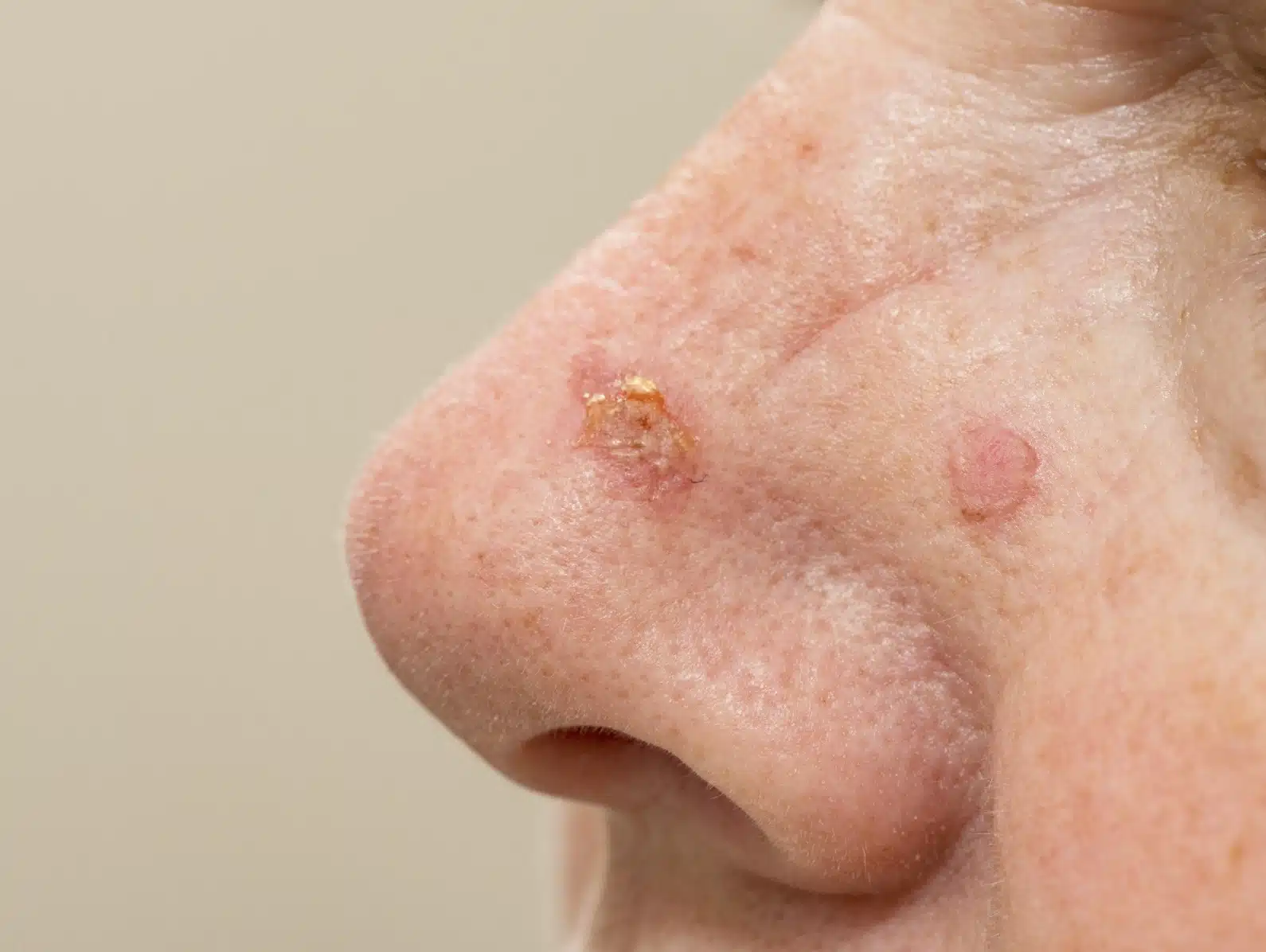
When dealing with pre-cancerous rough patches caused by ultraviolet exposure, individuals often wonder about the speed of recovery. Understanding the speed of Actinic Keratosis treatment in Abu Dhabi or anywhere else depends heavily on the specific method selected, the size of the affected zone, and individual skin characteristics. This comprehensive guide breaks down everything you need to know about how quickly these interventions work and what to expect during the recovery journey.
What Determines the Recovery Speed?
- The specific type of physical or topical approach used by the specialist.
- The density, thickness, and total number of rough patches present.
- The specific anatomical region being treated on the body.
- Individual biological response rates and natural cellular regeneration cycles.
Recovery timelines vary significantly because different procedures target abnormal epidermal cells through distinct mechanisms. Some approaches work instantly during a brief office visit, whereas others require a gradual progression of at-home applications followed by a natural shedding phase. Knowing these structural differences helps manage expectations and highlights why patience is vital for achieving optimal results.
In-Office Procedures and Immediate Spot Removal
- Cryotherapy freezes targeted cells, causing a temporary scab to form and drop off within two weeks.
- Light-sensitizing applications combined with specialized illumination clear clusters in about one to two weeks.
- Laser resurfacing vaporizes damaged layers, promoting fresh skin generation over a similar short window.
- Single-session interventions offer rapid results for discrete, isolated lesions.
For individuals with just a few isolated spots, in-office freezing techniques deliver exceptionally fast physical changes. The targeted spot typically forms a mild crust or blister that peels away naturally within 10 to 14 days, revealing fresh, unblemished skin underneath. Similarly, advanced light-based therapies address broader clusters efficiently, typically resolving surface inflammation and scaling within a week to ten days post-procedure.
Topical Field Therapies and Gradual Cellular Renewal
- Prescription creams and gels work by targeting and eliminating vulnerable abnormal cells over several weeks.
- Initial applications often trigger a visible inflammatory response as the skin processes the medication.
- Complete resolution and smoother texture usually emerge several weeks after finishing the full course.
- Field treatments cover wide areas of sun-damaged skin simultaneously rather than individual spots.
When dealing with widespread sun damage across larger surfaces like the forehead or scalp, specialists frequently recommend topical field therapies. Unlike quick freezing methods, these at-home regimens require consistent daily application over a span of two to six weeks. During this period, treated areas temporarily become red and sensitive as the medication successfully removes compromised cells. Complete healing and visible clarity generally materialize a couple of weeks after the final application.
Frequently Asked Questions
How soon will I see visible improvements after a quick freezing session?
Most superficial scabs or crusts resulting from freezing techniques fall off naturally within one to two weeks, leaving behind smoother, renewed skin tissue.
Why do some approaches take longer than others to show results?
Topical creams function as a cumulative field treatment that actively identifies and sheds vulnerable sun-damaged cells across a broad area, requiring a multi-week progression to complete the cellular turnover cycle.
Can I speed up the physical healing process after a procedure?
Healing speeds are governed by natural biological recovery rates. Following post-care guidelines, keeping the area clean, and avoiding sun exposure strictly help prevent delays in natural skin regeneration.
Will the smooth results last permanently without maintenance?
While successful interventions remove current rough spots, cumulative sun exposure can cause new patches to form over time, making diligent daily ultraviolet protection essential for long-term skin health.