Building owners and facility managers face constant pressure to improve operational efficiency, reduce maintenance costs, and extend asset life. Traditional maintenance approaches often rely on scheduled inspections or reactive repairs, which may lead to unexpected downtime and higher expenses. Predictive intelligence offers a more strategic approach by analyzing data patterns to identify potential issues before they escalate.
Across the architecture engineering construction industry, predictive intelligence is reshaping how organizations manage buildings and infrastructure. By leveraging advanced analytics, connected sensors, and intelligent algorithms, stakeholders gain deeper visibility into building performance. This shift supports proactive decision making and helps organizations maintain safer, more efficient environments.
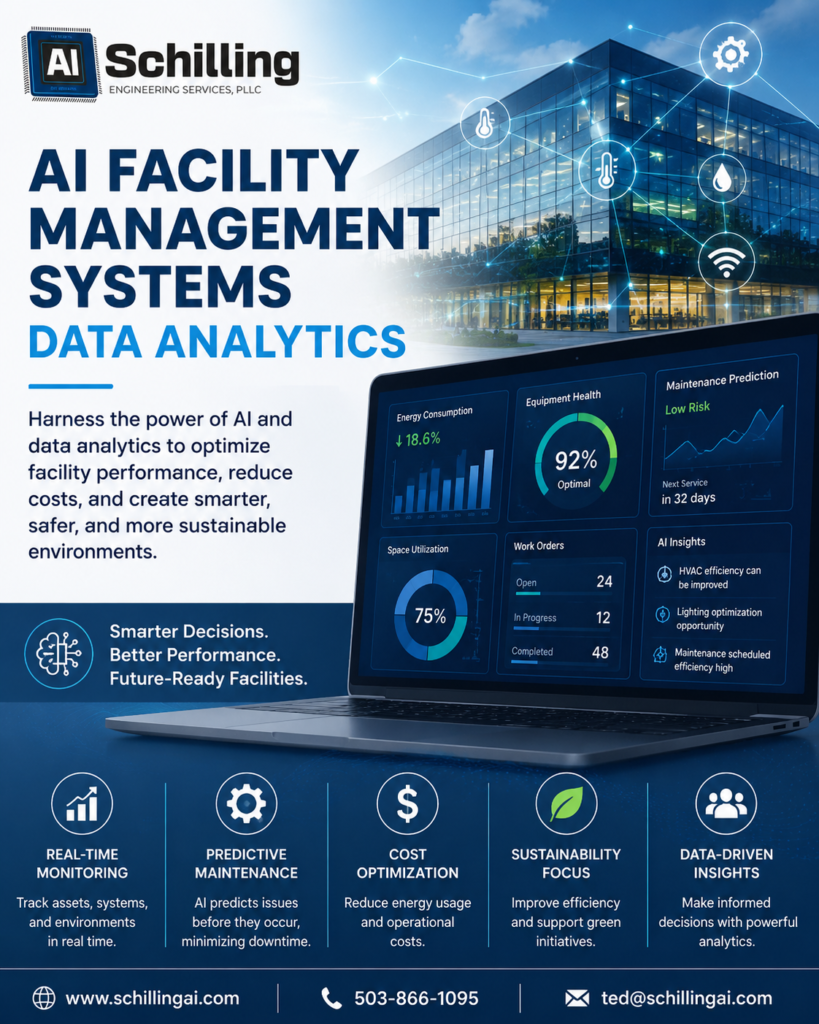
Understanding Predictive Intelligence in Building Management
Predictive intelligence combines data analysis, machine learning, and operational insights to forecast equipment behavior and maintenance requirements. Rather than waiting for systems to fail, facility teams use historical and real time data to identify trends that signal future performance issues.
Within the architecture engineering construction industry, this approach supports a transition from reactive maintenance to predictive strategies. Organizations that adopt predictive intelligence often experience improved asset reliability, reduced maintenance disruptions, and enhanced resource allocation.
The process involves collecting information from various building systems, including heating and cooling equipment, lighting systems, elevators, and security infrastructure. Intelligent models analyze this data to detect anomalies and predict when maintenance interventions may become necessary.
Why Traditional Maintenance Approaches Fall Short?
Conventional maintenance models generally fall into two categories: reactive and preventive maintenance. Reactive maintenance addresses problems after failures occur, while preventive maintenance follows fixed schedules regardless of actual equipment conditions.
These methods present several challenges. Reactive maintenance frequently results in unexpected downtime and emergency repair costs. Preventive maintenance may lead to unnecessary servicing, increasing operational expenses without delivering optimal results.
For organizations operating within the architecture engineering construction industry, inefficiencies associated with traditional approaches may affect occupant satisfaction, regulatory compliance, and long term profitability. Predictive intelligence addresses these limitations by aligning maintenance activities with actual equipment needs.
Enhancing Building Performance Through Data Driven Insights
Building systems generate vast amounts of operational data each day. Predictive intelligence transforms this information into actionable insights that support informed decision making.
Facility managers need accurate visibility into asset performance to optimize energy consumption, identify inefficiencies, and prioritize maintenance activities. Predictive models analyze variables such as temperature fluctuations, vibration levels, energy usage patterns, and equipment run times.
In the architecture engineering construction industry, data driven strategies contribute to improved building performance by reducing waste and supporting sustainability objectives. Organizations gain opportunities to fine tune operations while maintaining occupant comfort and safety.
Predictive insights also assist leadership teams in developing long term capital planning strategies. Rather than relying on assumptions, stakeholders use evidence based forecasts to guide investment decisions.
Reducing Unplanned Downtime and Maintenance Costs
Unexpected equipment failures often disrupt operations and increase maintenance expenditures. Emergency repairs typically involve higher labor costs, expedited parts procurement, and operational interruptions.
Predictive intelligence helps organizations anticipate equipment degradation before critical failures occur. Maintenance teams receive alerts regarding assets that require attention, allowing them to schedule interventions during convenient periods.
Companies within the architecture engineering construction industry increasingly recognize the value of minimizing downtime through proactive maintenance practices. Predictive approaches support business continuity while helping organizations manage budgets more effectively.
Additionally, maintenance resources receive better allocation. Teams focus efforts on assets that genuinely require attention instead of performing unnecessary inspections or repairs.
Improving Energy Efficiency Across Facilities
Energy consumption represents a significant operational expense for many facilities. Inefficient equipment performance often contributes to excessive utility costs and environmental impact.
Predictive intelligence identifies systems operating outside expected parameters. Heating, ventilation, and air conditioning equipment, for example, may exhibit early warning signs of declining efficiency before major failures emerge.
Organizations operating within the architecture engineering construction industry increasingly prioritize sustainability initiatives. Predictive technologies support these goals by helping facilities optimize energy usage and reduce carbon footprints.
By identifying inefficiencies early, facility teams improve equipment performance while maintaining comfortable environments for occupants. Energy savings achieved through predictive maintenance may also strengthen overall financial performance.
Extending Asset Lifecycles Through Proactive Maintenance
Buildings rely on numerous interconnected assets that require careful management throughout their operational lifecycles. Premature equipment replacement creates financial burdens and operational challenges.
Predictive intelligence enables organizations to maintain assets based on actual conditions rather than arbitrary schedules. Maintenance activities occur when performance indicators suggest intervention is necessary.
For stakeholders in the architecture engineering construction industry, extending asset longevity represents a valuable opportunity to maximize return on investment. Well maintained equipment often delivers consistent performance over extended periods.
Proactive maintenance strategies also reduce the likelihood of catastrophic failures that may damage related systems. This comprehensive approach strengthens resilience across entire facilities.
Supporting Better Decision Making with Predictive Models
Facility management increasingly depends on data driven decision making. Predictive intelligence provides leaders with detailed information regarding asset health, maintenance priorities, and operational risks.
Decision makers need reliable forecasts to allocate budgets effectively and prioritize improvement initiatives. Predictive models support this process by identifying patterns that human observation alone may overlook.
Within the architecture engineering construction industry, informed decisions contribute to stronger operational outcomes and improved stakeholder confidence. Access to accurate performance data helps organizations balance cost management with service quality objectives.
Predictive intelligence also supports collaboration among engineering teams, facility managers, and executive leadership by establishing a shared understanding of operational priorities.
Challenges to Consider During Implementation
While predictive intelligence offers significant advantages, successful implementation requires thoughtful planning. Organizations need quality data sources, appropriate technological infrastructure, and skilled personnel capable of interpreting analytical outputs.
Data integration may present challenges when facilities operate legacy systems that lack connectivity capabilities. Teams should evaluate existing infrastructure and identify opportunities for modernization where necessary.
Organizations across the architecture engineering construction industry should also establish clear objectives before deploying predictive solutions. Defined goals support measurement of outcomes and encourage long term adoption.
Employee training remains equally important. Maintenance teams need confidence in predictive recommendations to integrate these insights into daily workflows effectively.
The Future of Predictive Intelligence in Building Operations
Advancements in artificial intelligence, sensor technologies, and computing capabilities continue to strengthen predictive intelligence applications. Future developments may deliver even greater precision in forecasting equipment behavior and operational risks.
Facilities increasingly generate richer datasets that support more sophisticated analysis. Predictive intelligence is expected to evolve alongside broader digital transformation initiatives throughout the architecture engineering construction industry.
As organizations seek greater efficiency, sustainability, and resilience, predictive maintenance strategies are likely to become a standard component of building operations. Early adopters position themselves to respond more effectively to changing operational demands and stakeholder expectations.
Conclusion
Building performance and maintenance practices continue to evolve as organizations pursue smarter operational strategies. Predictive intelligence provides valuable insights that support proactive maintenance, energy optimization, and improved asset management outcomes.
For stakeholders within the architecture engineering construction industry, embracing predictive approaches may strengthen operational resilience and improve long term efficiency. The growing influence of AI facility management systems data analytics further enhances the ability to anticipate challenges, allocate resources effectively, and maintain high performing facilities. Organizations that invest in intelligent, data driven maintenance practices position themselves to meet future demands with greater confidence and agility.