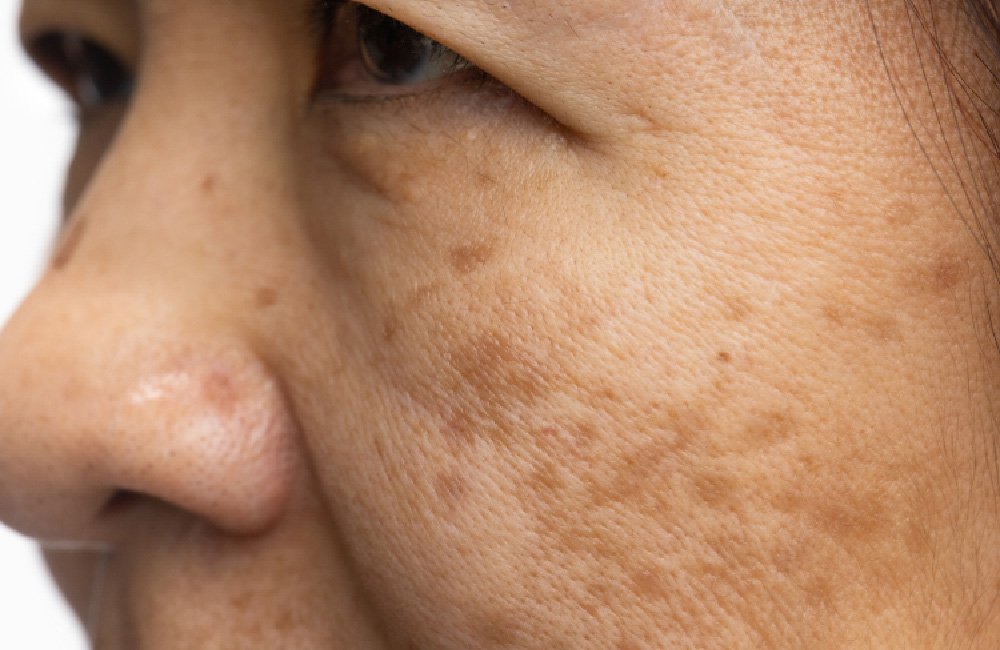
Skin discoloration is a common aesthetic concern affecting individuals globally, prompting a high demand for corrective procedures like Pigmentation Treatment in Abu Dhabi to restore a balanced complexion.
Melanin serves as the primary biological pigment responsible for determining the natural color of human skin, hair, and eyes.
Specialized cells known as melanocytes reside in the lower epidermis layer, continuously producing melanin granules that protect underlying tissues from solar radiation.
Environmental exposure, ultraviolet light absorption, and internal biological shifts can trigger these melanocytes to behave irregularly, causing localized clusters of excessive pigment.
Comprehending the fundamental cellular mechanisms behind discoloration allows individuals to make informed decisions regarding modern dermatological care and lifestyle adjustments.
The Biological Role of Melanin in Skin Tone
Melanin acts as the body’s natural defense mechanism against harmful ultraviolet rays, absorbing solar radiation before it can damage cellular DNA.
Two distinct types of melanin exist within the human body: eumelanin, which provides brown and black hues, and pheomelanin, which yields red and yellow tones.
The concentration, distribution, and type of melanin synthesized by melanocytes dictate the wide spectrum of human skin complexions observed worldwide.
When skin remains healthy and balanced, melanocytes transfer pigment evenly to surrounding keratinocytes, resulting in a smooth and uniform outward appearance.
Any disruption in this delicate transfer process or an overproduction of melanin leads directly to uneven patches, dark spots, and color irregularities.
Primary Triggers Behind Discolored Skin Patches
Prolonged and unprotected exposure to ultraviolet radiation stands as the single most significant factor accelerating localized melanin synthesis and sunspot development.
Hormonal fluctuations, particularly variations in estrogen and progesterone levels, frequently induce widespread symmetrical darkening across facial contours.
Post-inflammatory changes occur when physical trauma, acne lesions, or skin injuries leave behind persistent dark marks as part of the natural healing cycle.
Genetic predispositions also play a critical role, dictating an individual’s innate susceptibility to developing freckles, melasma, or chronic hyperpigmentation over time.
Natural chronological aging alters cellular turnover rates, making older skin increasingly vulnerable to accumulated pigment irregularities and mottled discoloration.
Common Manifestations of Facial and Body Pigmentation
Ephelides, commonly referred to as freckles, represent small, concentrated spots that typically darken following direct exposure to sunlight.
Melasma manifests as larger, cloud-like brown or grayish-brown patches, most frequently appearing on the forehead, cheeks, bridge of the nose, and upper lip.
Solar lentigines, popularly known as sunspots or age spots, emerge as distinct flat darkened areas on regions of the body exposed to years of cumulative UV rays.
Post-inflammatory hyperpigmentation leaves lingering brownish or reddish marks in areas where the skin previously experienced inflammation, cuts, or severe breakouts.
Understanding these distinct patterns is vital for selecting appropriate care strategies tailored to the specific depth and classification of the pigment.
How Advanced Modalities Target Stubborn Melanin Deposits
Modern dermatological interventions utilize specialized energy-based devices and light sources to break down dense melanin clusters trapped beneath the skin’s surface.
Targeted wavelengths selectively home in on hyperpigmented cells without causing thermal or structural damage to surrounding healthy tissue structures.
Chemical exfoliation solutions accelerate cellular turnover, encouraging the shedding of pigmented outer epidermal layers to reveal fresher, evenly toned skin underneath.
Specialized topical formulations containing tyrosinase-inhibiting ingredients work gradually to suppress excess melanin production at a cellular level.
Combining multiple technological approaches allows skin specialists to address both superficial pigment irregularities and deeper dermal discoloration effectively.
The Importance of Comprehensive Skin Assessments
Professional evaluations conducted by trained skin specialists ensure an accurate diagnosis regarding the exact depth and nature of stubborn discoloration.
Surface-level pigment reacts differently to management protocols compared to deep dermal melasma, making a thorough initial analysis mandatory for success.
Advanced diagnostic tools can map out hidden melanin concentrations that are not yet fully visible to the naked human eye.
Tailoring a multi-step routine based on individual skin type, lifestyle factors, and environmental exposure maximizes the long-term clarity of the complexion.
Regular progress tracking allows for necessary adjustments to home care regimens and ongoing structural maintenance phases.
Everyday Habits for Maintaining a Uniform Complexion
Daily application of broad-spectrum sunscreen with a high sun protection factor is essential to prevent existing dark patches from darkening further.
Wearing wide-brimmed hats and seeking shade during peak ultraviolet hours minimizes the continuous environmental stimulation of active melanocytes.
Incorporating gentle, hydrating cleansers and non-comedogenic moisturizers supports the skin barrier function and accelerates natural healing processes.
Avoiding harsh physical scrubs or picking at blemishes prevents secondary inflammation that often triggers post-inflammatory dark marks.
Maintaining consistent daily hydration and consuming a nutrient-rich diet rich in antioxidants helps protect skin cells from oxidative stress and premature aging.
Frequently Asked Questions
What causes skin patches to appear darker than the surrounding areas?
Skin patches become darker due to an overproduction and accumulation of melanin, the pigment responsible for skin color, often triggered by sun exposure, hormones, or skin injury.
Why do some pigmentation spots return after fading?
Melanin-producing cells retain a biological memory of triggers like UV radiation and hormonal shifts, meaning unprotected sun exposure can easily reactive pigment production in the same areas.
Can daily skincare habits prevent new discoloration from forming?
Consistent daily use of broad-spectrum sunscreen, gentle skincare products, and antioxidant protection significantly reduces the likelihood of developing new sun-induced dark spots.
How do professional interventions differ from regular home creams?
Over-the-counter creams primarily affect the uppermost skin layers, whereas professional technologies and medical-grade solutions can safely target deeper melanin deposits for more efficient fading.