
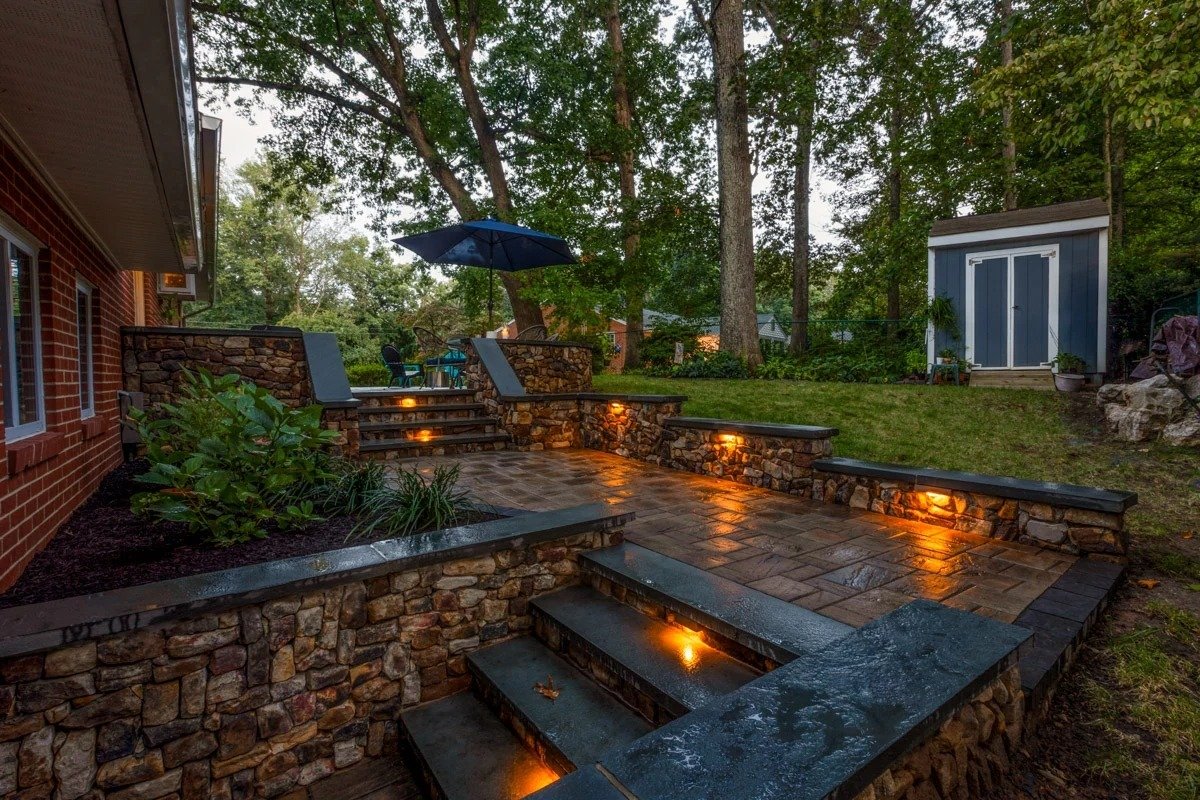
Outdoor spaces are no longer designed only for daytime enjoyment. Homeowners, architects, and landscape designers are increasingly using lighting to extend outdoor living areas into the evening while highlighting important features of a property.
Among the many landscape lighting options available, outdoor inground lighting has become a preferred choice for creating clean, elegant, and functional outdoor environments. Installed flush with the ground, these fixtures provide powerful illumination while keeping the hardware almost invisible during the day.
From highlighting trees and pathways to enhancing patios, driveways, and architectural details, ground lights offer a subtle way to improve the appearance and usability of outdoor spaces.
What Is Outdoor Inground Lighting?
Outdoor inground lighting refers to fixtures installed directly into the ground surface, allowing the light source to sit level with the surrounding landscape. These fixtures are also commonly known as well lights, recessed landscape lights, or in-grade lights.
Unlike traditional outdoor fixtures that remain visible above the surface, inground lights are designed to blend into the environment. During the day, they remain discreet, while at night they create focused illumination that highlights specific areas.
They are commonly used for:
- Tree and plant uplighting
- Driveways and walkways
- Building facades
- Garden features
- Patios and outdoor living areas
- Stone walls and architectural elements
The hidden design makes them especially valuable when homeowners want a clean landscape appearance without visible fixtures interrupting the view.
Why Choose Outdoor Ground Lighting?
Outdoor ground lighting offers several advantages compared with traditional above-ground fixtures.
A Cleaner Landscape Appearance
One of the biggest benefits of ground lights is their discreet design. Since the fixtures sit within the surface, they do not create visual clutter.
This makes them ideal for modern landscapes where the focus should remain on plants, architecture, pathways, or outdoor features rather than the lighting equipment itself.
Creates Dramatic Uplighting Effects
Well lights are commonly used to direct light upward toward trees, walls, columns, and other vertical elements.
A carefully positioned fixture can create:
- Depth and dimension
- Highlighted textures
- Architectural contrast
- A more attractive nighttime atmosphere
For example, placing outdoor ground lights near the base of a large tree can emphasize its shape and create a dramatic focal point after sunset.
Improves Outdoor Safety
Lighting is not only about appearance. Properly placed outdoor lights can make exterior areas safer by improving visibility around:
- Walkways
- Steps
- Driveways
- Entry areas
- Outdoor entertainment spaces
A balanced lighting plan helps guests move comfortably through outdoor areas without creating excessive brightness or glare.
Popular Applications of Landscape Lighting Well Lights
Landscape lighting well lights are extremely versatile and can be used in both residential and commercial projects.
Tree Uplighting
Trees are one of the most popular applications for inground lighting. Installing fixtures at the base of trees allows light to travel upward, highlighting branches, leaves, and natural textures.
This technique works especially well for:
- Large decorative trees
- Palm trees
- Garden features
- Landscape focal points
Highlighting Architectural Features
Outdoor inground lights can enhance the appearance of buildings by illuminating:
- Exterior walls
- Columns
- Stonework
- Entryways
- Decorative structures
This creates a more premium look while improving nighttime visibility.
Pathways and Driveways
Ground lights can provide subtle guidance along outdoor pathways and driveways.
Because they sit flush with the surface, they maintain a clean appearance while helping define movement areas around a property.
Patios and Outdoor Living Spaces
Modern outdoor spaces often include kitchens, seating areas, and entertainment zones. Proper lighting allows these spaces to remain functional after dark.
Well-placed ground lights can highlight surrounding landscaping while creating a comfortable atmosphere.
Outdoor Inground Lighting vs Traditional Landscape Lights
Choosing between different outdoor lighting styles depends on the desired effect.
| Lighting Type | Best Use | Main Benefit |
| Outdoor inground lights | Trees, walls, pathways, architecture | Hidden installation with focused illumination |
| Path lights | Walkways and garden borders | Provides low-level guidance |
| Spotlights | Large features and structures | Strong directional lighting |
| Floodlights | Large outdoor areas | Broad area coverage |
Outdoor inground lighting is often selected when the goal is to highlight specific features while keeping the fixture itself out of sight.
Important Factors When Choosing Well Lights
Selecting the right well lights requires more than choosing a design. Several technical factors affect performance and durability.
Weather Resistance
Outdoor lighting fixtures must handle changing weather conditions. Rain, moisture, dirt, and temperature changes can affect performance over time.
When selecting outdoor ground lights, consider:
- Waterproof construction
- Durable materials
- Proper outdoor ratings
- Protection against moisture buildup
Light Output and Beam Angle
Brightness should match the purpose of the installation.
A small garden feature may need softer illumination, while larger trees or architectural elements may require stronger output.
Beam angle also matters because it determines how wide or focused the light appears.
Material Quality
Outdoor fixtures should be built with materials suitable for long-term exterior use.
Common durable materials include:
- Stainless steel
- Brass
- Aluminum
- Protective composite materials
Quality construction helps fixtures maintain appearance and performance over years of outdoor exposure.
Color Temperature
Color temperature influences the mood of an outdoor environment.
Warm lighting is often preferred for residential landscapes because it creates a comfortable and inviting appearance. Cooler tones may be suitable for modern architectural projects where a cleaner look is desired.
Installation Tips for Better Results
Proper placement is essential for achieving professional-looking results.
Plan Before Installation
Before installing fixtures, identify the features you want to highlight. Avoid placing lights randomly throughout the landscape.
Good lighting design focuses attention on important areas rather than simply adding more brightness.
Avoid Overlighting
More lights do not always create better results. Excessive brightness can reduce contrast and make outdoor spaces feel harsh.
A layered approach using different fixture types usually creates a more natural appearance.
Consider Drainage
Because inground fixtures are installed below surface level, proper drainage is important. Water buildup can affect performance and reduce fixture lifespan.
Professional planning helps ensure the installation remains reliable over time.
Common Mistakes to Avoid
Installing Too Many Fixtures
Overusing ground lights can make a landscape look artificial. Focus on important features and allow shadows to create depth.
Ignoring Light Direction
The goal is to highlight objects, not shine light directly into people’s eyes. Proper positioning reduces glare and improves comfort.
Choosing Fixtures Based Only on Appearance
A stylish fixture is not enough. Outdoor lighting must also provide suitable durability, brightness, and weather protection.
The Future of Outdoor Landscape Lighting
Outdoor lighting continues to evolve with improved LED technology, smarter controls, and more efficient designs.
Modern homeowners are looking for lighting solutions that combine beauty, functionality, and energy efficiency. Outdoor inground lighting fits this demand by providing a flexible way to enhance landscapes without distracting from the overall design.
Smart controls, timers, and automation options also make it easier to manage outdoor lighting while improving convenience.
Final Thoughts
Outdoor inground lighting provides a powerful combination of design flexibility, safety, and visual appeal. By keeping fixtures hidden while delivering focused illumination, ground lights help transform ordinary outdoor areas into inviting nighttime spaces.
Whether highlighting trees, improving pathways, or enhancing architectural details, well-designed landscape lighting well lights can add long-term value and beauty to residential and commercial properties.
Choosing the right fixtures, placement, brightness, and installation approach ensures the lighting system enhances the landscape while creating a comfortable outdoor experience.