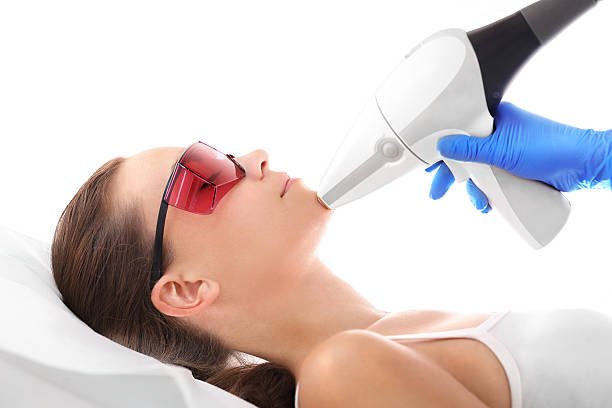
The number of appointments varies from person to person, but Laser Hair Removal in Abu Dhabi commonly involves around six to eight sessions for a noticeable, lasting reduction in hair. Some people may need fewer appointments, while others benefit from additional sessions or occasional maintenance. The exact course depends on the treatment area, hair and skin characteristics, and how consistently appointments are spaced.
Laser hair removal works by directing light toward pigment in the hair. Hair grows in cycles, and the light is most effective when a hair is in its active growth phase. Since not every hair is in that phase at the same time, one appointment cannot treat every follicle equally. Repeated sessions allow treatment to reach more hairs as they enter the suitable phase.
Why Several Sessions Are Usually Needed
Hair Growth Happens in Cycles
Hair does not grow continuously at the same rate. Each follicle moves through growth, transition, and resting phases. At any given moment, some hairs are actively growing while others are not. Because laser treatment is most effective during active growth, sessions are spaced out to match the gradual cycling of follicles.
Results Develop Gradually
After an appointment, treated hairs may shed over the following days or weeks. This can make the area appear smoother, but it does not mean every follicle has been permanently affected. With each session, regrowth may become finer, lighter, or less dense. Progress is usually gradual rather than immediate.
Factors That Affect the Number of Sessions
Treatment Area
The size and location of the area can influence the schedule. Smaller areas may be quicker to treat, while larger areas may require more time per appointment. Areas where hair grows in distinct cycles may respond differently from areas with more persistent or dense growth.
Hair and Skin Characteristics
Hair colour, thickness, and contrast with the surrounding skin can affect how readily the light is absorbed. Coarser, darker hair may respond differently from fine or light-coloured hair. Skin tone also matters because treatment settings should be selected with care for the individual’s complexion.
Individual Growth Patterns
Hormonal changes, genetics, age, and natural differences in hair growth can all influence results. Some people notice a substantial reduction after several appointments, while others see slower progress or continued growth in certain areas. A treatment plan is generally adjusted according to the response over time.
Consistency Between Appointments
Keeping appointments at the recommended intervals helps treatment coincide with new hairs entering the active growth phase. Sessions scheduled too close together may not provide additional benefit, while long gaps can make progress less consistent. A qualified practitioner can suggest timing based on the area and the person’s response.
How Far Apart Are Sessions?
Appointments are often spaced several weeks apart. The interval may differ by treatment area because hair cycles vary across the body. A practitioner can recommend a suitable schedule after reviewing the area, hair growth, and skin characteristics. The schedule may also change as regrowth becomes slower or less noticeable.
What to Expect as Sessions Continue
Early Appointments
The first sessions focus on hairs that are active during that part of the growth cycle. Some shedding may occur afterward, and the treated area may look less dense as those hairs fall away. New growth can still appear because untreated follicles may become active later.
Middle of the Course
As appointments continue, many people notice that regrowth takes longer and that individual hairs seem finer or more scattered. The amount of change differs by person and area. Comparing progress over several weeks can provide a clearer picture than judging the result immediately after one session.
Later Appointments
Toward the end of the initial course, remaining growth may be sparse or uneven. Additional sessions may be suggested for areas that continue to produce noticeable hair. Some people also choose occasional maintenance appointments if regrowth returns over time.
How to Set Realistic Expectations
Laser hair removal is generally intended to reduce hair growth, not guarantee that every hair will be removed forever. Results can vary, and maintenance may be useful for some people. A consultation can help establish a realistic estimate, explain the likely schedule, and determine whether the treatment is suitable for the person’s hair and skin characteristics.
It can also help to discuss previous hair-removal methods and any changes in hair growth. Clear communication allows the practitioner to tailor the plan and review progress at appropriate intervals. Photos or written notes, when permitted, may help track gradual changes across the course.
Frequently Asked Questions
Can the Number of Sessions Be Predicted Exactly?
Not usually. A practitioner can provide an approximate range, but the final number depends on how the hair responds, the treatment area, and individual growth patterns. The estimate may be updated as progress becomes clearer.
Will One Session Remove All Hair?
One session is unlikely to affect every follicle because hairs are at different stages of growth. Some treated hairs may shed, but other follicles may produce new growth later. This is why a series of appointments is commonly recommended.
Can More Sessions Be Needed Than Expected?
Yes. Some people require more sessions because hair growth is dense, the area responds slowly, or individual factors influence regrowth. Additional appointments do not necessarily mean the treatment has failed; they may simply be part of achieving the desired reduction.
Are Maintenance Sessions Always Necessary?
No single schedule suits everyone. Some people maintain their results without frequent follow-up, while others notice occasional regrowth and choose a maintenance appointment. The need depends on personal results and changes in hair growth.
The Main Takeaway
Most people can expect a course of approximately six to eight sessions, with appointments spaced several weeks apart. That range is only a general guide: the treatment area, hair and skin characteristics, growth cycle, and individual response all matter. A personalised assessment and consistent scheduling provide the clearest path toward a realistic treatment plan.