
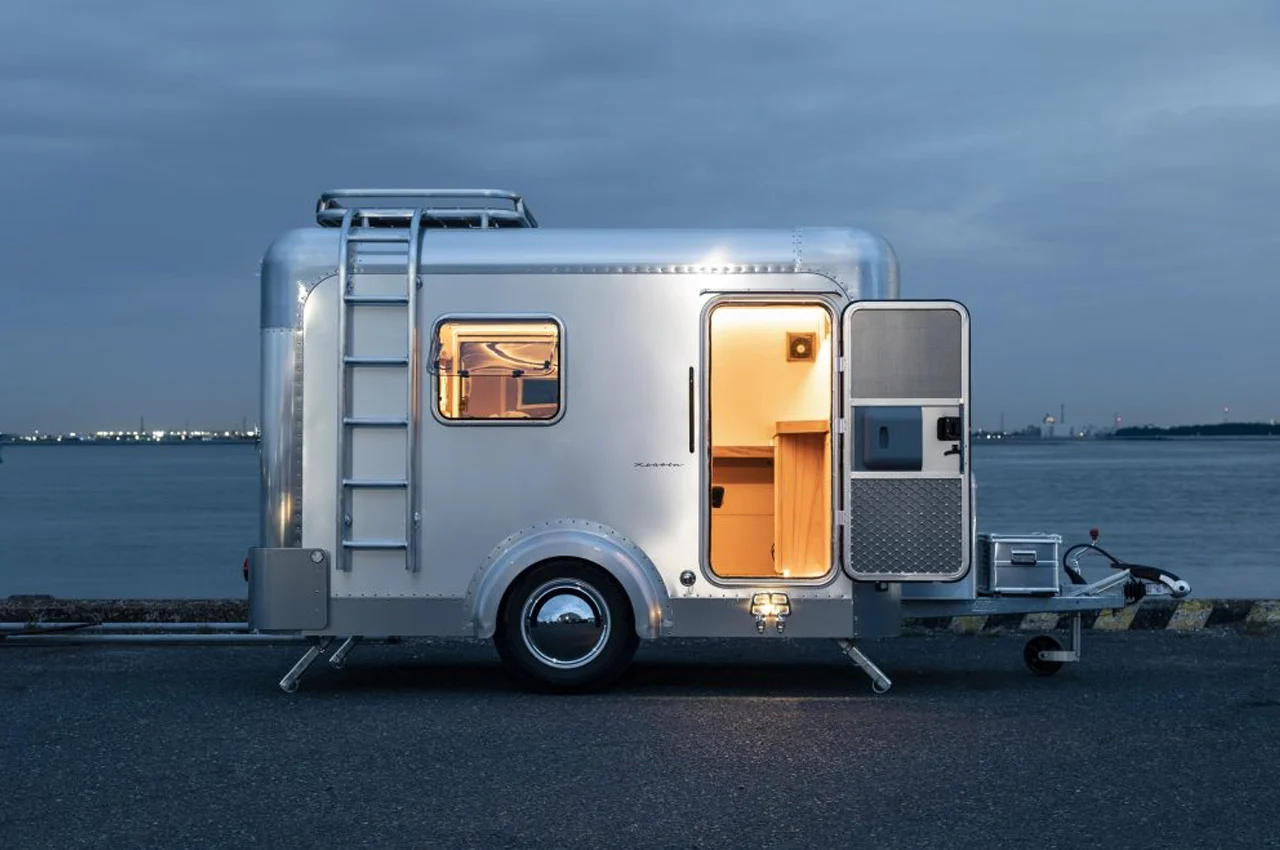
Nothing derails a reception faster than a line of guests in formal wear waiting for the restroom. Whether your venue is a farm, a vineyard, or a backyard tent, luxury portable bathrooms only work if you rent enough of them. Too few, and the line grows during toasts and dances; too many, and you overspend. This guide explains how to calculate the right number for your guest count, timeline, and menu.
Why Restroom Planning Belongs on Your Wedding Checklist
Restrooms rarely appear on mood boards, yet guests notice them. A long line pulls people away from the dance floor, delays the cake cutting, and leaves a poor impression on relatives who traveled to attend. A clean, well-stocked restroom, on the other hand, goes unnoticed in the best way.
Portable bathrooms become necessary whenever your venue lacks enough permanent facilities. That is common at barns, vineyards, beaches, parks, private estates, and backyard tent receptions. Even some indoor venues have only one or two small restrooms, which cannot handle 150 guests enjoying champagne over several hours.
The goal is not to guess. A few simple inputs, covered below, will get you to a reliable number before you request quotes.
The Basic Formula: Guests, Hours, and Drinks
Three factors drive most of the math: how many people attend, how long the event lasts, and whether alcohol is served. Start with a baseline, then adjust.
Start With the One-per-50 Benchmark
Rental companies commonly use a baseline of roughly one toilet for every 40 to 50 guests at an event lasting about four hours with little or no alcohol. Exact guidance varies by provider and by local regulations, so treat it as a starting point rather than a rule.
For a 100-guest wedding, that baseline suggests two or three toilets. For 200 guests, it suggests four or five.
Adjust for an Open Bar or Long Cocktail Hour
Drinking changes restroom habits. Guests make more trips when they have a glass in hand, and those trips cluster around predictable moments: right after the ceremony, after dinner, and during band breaks.
A sensible adjustment is to plan for about one toilet per 30 to 35 guests when you serve alcohol throughout the event. That is a planning estimate, not an industry law, but it protects you from the peak-time lines that cause the most complaints.
Adjust for Event Length
Length matters as much as headcount. A ceremony and reception that stretch beyond six hours, with a separate cocktail hour and late-night dancing, produce more visits per guest than a short afternoon celebration.
If your timeline also includes a rehearsal dinner or a next-day brunch at the same site, plan each event separately instead of reusing one number.
Wedding Restroom Planning Guide by Guest Count
The table below turns the benchmarks above into practical starting numbers. It counts individual toilets or stalls, not trailers, and assumes a reception of roughly four to six hours. Use it to guide conversations with rental providers, not as a substitute for their recommendations.
Table: Estimated Toilets Needed by Guest Count
| Guest Count | Light or No Alcohol (about 1 per 40–50 guests) | Open Bar or Long Event (about 1 per 30–35 guests) | Typical Setup |
|---|---|---|---|
| 50 | 1–2 | 2 | One small trailer or two single units |
| 100 | 2–3 | 3–4 | One mid-size restroom trailer |
| 150 | 3–4 | 4–5 | One larger trailer, split by gender if applicable |
| 200 | 4–5 | 6 | One large trailer or two smaller trailers |
| 300 | 6–7 | 9–10 | Two or more trailers, ideally in separate locations |
If your guest count falls between rows, round up. Also add your vendors and staff to the total, a point many couples forget (more on that below).
Stalls Versus Units: How to Read a Rental Quote
Quotes can be confusing because companies count differently. A standard portable toilet is a single-occupancy unit. A restroom trailer is a trailer with several private stalls or suites, often with sinks, mirrors, and climate control. A quote for “one trailer” might cover anywhere from two stalls to ten or more, depending on the model.
For that reason, always ask for the stall count, not just the number of trailers. Also ask how urinals are counted, if the trailer has them. Urinals move faster than stalls, but they serve only part of your guests.
Some trailers separate men’s and women’s sides. Women’s lines usually run longer, so a split layout works best when the women’s side has equal or greater capacity. Many couples prefer a shared layout with individual private suites, which avoids the imbalance altogether.
Factors That Can Raise or Lower Your Number
The table gives you a baseline, but your specific wedding may call for a different answer.
Ceremony and Reception at the Same Site
When everyone arrives for the ceremony and stays through the reception, restroom demand builds steadily. If the ceremony is at a church and guests drive to the reception, they may use the church restrooms first, which reduces early demand at your reception site. Still, the most important peak happens after dinner, so do not cut your numbers too aggressively.
A Venue With Existing Restrooms
Permanent restrooms reduce what you need to rent, but only if they can handle your crowd. Ask the venue how many fixtures are available and whether they are open to all guests. A venue with two stalls and two sinks for 150 guests will still need a supplement.
Count only the fixtures guests can actually use. Restrooms in a main house, a staff area, or the catering kitchen often do not qualify.
Season and Weather
Hot weather increases drinking and restroom use. Cold or rainy weather pushes guests under the tent and clustered together, which creates sudden rushes when something ends. Heating and cooling matter too: in extreme temperatures, guests are more willing to wait in a comfortable trailer than in a cramped, stuffy unit, but lines still form.
Your Guest List
Children, older guests, and pregnant guests tend to use restrooms more often or need more time. A guest list with many young families or many older relatives justifies a larger count than a guest list of the same size made up of adults in their twenties and thirties.
Standard Units or Luxury Restroom Trailers: What Changes
Upgrading from standard units to a restroom trailer affects comfort more than capacity. Features vary by manufacturer and rental company, but trailers commonly include flushing toilets, sinks with running water, interior lighting, mirrors, and heating and air conditioning. Many also have finished interiors that look closer to a small powder room than a job-site unit.
Standard portable bathrooms are compact, lower in cost, and easier to place on uneven ground. They also offer more flexibility if you want several small clusters spread around a large property. The trade-off is comfort. Guests in formal clothing, especially long dresses, usually find a trailer far easier to use.
Trailers come with extra logistics. They need a reasonably level surface, a delivery path wide enough for the truck, and often a power connection or generator. Some require a water source, while others use an onboard tank. Because these needs can shape where the trailer goes, confirm them early with both the rental company and your venue.
Accessibility Considerations
Guests who use wheelchairs or other mobility aids need a restroom they can actually enter and use. Accessible portable units and some trailers are designed with wider doors, ramps, and enough interior room to turn a wheelchair. Ask the provider what is available and whether the unit has a ramp or a step.
Rules for private events can differ from rules for public events, so check local requirements with your venue or local authority. Regardless of legal requirements, including at least one accessible option is considerate and prevents an awkward situation on the day. An accessible unit counts toward your total, but it should not be the only option nearby.
Placement, Power, and Water: Logistics That Affect Capacity
A perfect number of stalls still fails if guests cannot reach them comfortably. Place restrooms within a short walk of the tent or dance floor, on a lit, level path. Avoid putting them directly beside the dining area, where noise and traffic would be distracting.
For events over about 150 guests, consider splitting capacity into two locations. This shortens walks and prevents a single line from forming. If you choose a trailer, confirm whether it needs a generator or a nearby outlet, and ask how water is supplied.
Evening weddings need lighting along the path and inside any standard units. Soft or wet ground can also be a problem. Ask the provider whether they use mats or boards for delivery, especially after rain.
Finally, ask about service. For larger weddings, a restroom attendant can restock supplies and keep the space tidy during the event. Without one, assign a trusted helper to check on the restrooms once or twice during the reception.
Common Mistakes to Avoid
Most restroom problems come from a handful of predictable errors:
- Relying on the venue’s estimate alone. Ask for the exact number of working fixtures and compare it with your own calculation.
- Ignoring vendors and staff. Caterers, photographers, musicians, and planners all use the facilities, so add them to your headcount.
- Counting trailers instead of stalls. One trailer can mean very different capacity depending on the model.
- Forgetting the cocktail hour. Many guests visit the restroom before and after the ceremony, so peak demand may start before dinner.
- Booking late. Popular weekends in peak wedding season can sell out, so reserve once your venue and date are confirmed.
- Skipping the site visit. A quick walk with the rental company helps confirm access, ground conditions, and placement.
Questions to Ask Your Rental Provider
Before you sign, ask the provider to confirm these points in writing:
- How many stalls does each trailer have, and how are urinals counted?
- What power, water, and ground requirements does the unit have?
- Is an accessible unit available, and what does it include?
- Is delivery, setup, pickup, and attendant service included in the price?
- What supplies are included, and how are they restocked during the event?
- What is the cancellation or rescheduling policy if the date changes?
Conclusion
The right number of portable bathrooms comes down to guest count, event length, and whether alcohol is served. A baseline of about one toilet per 40 to 50 guests works for shorter, lighter events, while an open bar or long reception calls for closer to one per 30 to 35. Count vendors, confirm stall numbers rather than trailer numbers, and plan for accessibility and placement. Share your guest count and timeline with a rental provider early, then ask them to confirm the final recommendation. A little planning now keeps the line short and the celebration moving.
Frequently Asked Questions
How many portable bathrooms do I need for 100 wedding guests?
For a typical four to six hour event, plan on two or three toilets if alcohol is limited, and three or four if you serve an open bar. Round up if your guest list includes many children or older guests.
Should I count vendors and staff in my guest total?
Yes. Caterers, photographers, musicians, and planners are on site for most of the event and use the restrooms. Adding them to your headcount gives a more accurate estimate.
Is one restroom trailer enough for a wedding?
It depends on the trailer’s stall count and your guest list. A mid-size trailer may suit about 100 guests, but larger weddings often need a bigger trailer or more than one. Ask the provider how many stalls each model has.
How far in advance should I book portable bathrooms?
Book as soon as your date and venue are confirmed, especially for popular weekends in peak wedding season. Availability varies by area and provider, so earlier is safer.
Do I still need to rent portable bathrooms if my venue has restrooms?
Possibly. Ask the venue how many fixtures are available to guests and compare that with the estimate for your guest count. If the venue’s restrooms fall short, rent enough portable units to cover the gap.