Botox treatment is a popular non-surgical cosmetic option for individuals who want to soften the appearance of facial wrinkles and achieve a smoother, refreshed look. One of the most common questions people have before considering this procedure is how long the results will remain visible. Understanding the expected duration can help you plan your treatments and maintain your preferred appearance. With the growing interest in Botox in Abu Dhabi, many individuals want to learn more about how the treatment works, when results become noticeable, and how long they can expect the improvements to last. Although results vary from person to person, several factors influence the duration of Botox treatment, including the treated area, muscle activity, individual response, and treatment schedule.
Understanding How Botox Treatment Works
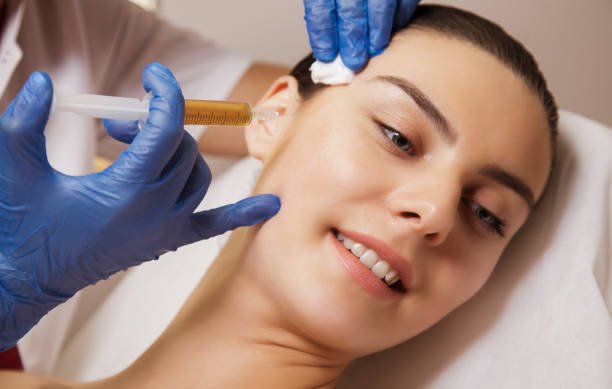
Botox is an injectable cosmetic treatment that temporarily reduces the activity of selected facial muscles. Certain facial expressions, such as smiling, frowning, and raising the eyebrows, involve repeated muscle movements that can contribute to the formation of expression lines over time. Botox works by temporarily interrupting the nerve signals responsible for activating the targeted muscles.
When these muscles relax, the appearance of certain wrinkles becomes softer and the skin may look smoother. The treatment is commonly used for forehead lines, frown lines between the eyebrows, and wrinkles around the outer corners of the eyes. Its effects are temporary because normal communication between nerves and muscles gradually returns.
Understanding this process is important when considering how long the results will last. Botox does not permanently eliminate wrinkles or stop the natural ageing process. Instead, it provides temporary improvements that require periodic maintenance if you want to preserve the results.
How Long Do Botox Treatment Results Usually Last?
Botox treatment results generally last around three to four months, although some individuals may notice improvements lasting slightly longer or shorter periods. The exact duration depends on how quickly the body responds to the treatment and restores normal muscle activity.
After the injection, the targeted muscles gradually become less active, allowing expression lines to soften. As the effects begin to wear off, muscle movement slowly returns and wrinkles may become visible again. This process usually happens gradually rather than suddenly.
For some individuals, the results may remain noticeable for approximately two to three months, while others may enjoy smoother-looking skin for four months or more. The treatment area and individual muscle characteristics can influence this timeline. Therefore, it is important to understand that the expected duration is an estimate rather than a fixed guarantee.
When Do Botox Results Become Visible?
Botox results do not usually appear immediately after treatment. The injected product needs time to affect communication between the nerves and targeted muscles. Some individuals begin noticing changes within three to five days, while more noticeable improvements often develop over seven to fourteen days.
During this period, facial muscles gradually become less active, allowing the treated lines to soften. The final appearance can depend on the treatment area, the amount administered, and individual response.
Patience is important when evaluating the outcome. Looking at the treated area too soon may not provide an accurate understanding of the final results. Allowing sufficient time for the treatment to take effect helps you assess the improvement more realistically.
What Factors Affect How Long Botox Lasts?
Several factors can influence how long Botox results remain visible. One important consideration is individual muscle activity. People with stronger or more active facial muscles may notice the return of movement sooner than individuals whose muscles naturally have less activity.
The treatment area also plays a role. Different facial muscles have different movement patterns and strengths, which can influence the duration of the results. For example, frequently used muscles may respond differently from muscles involved in less frequent facial expressions.
Individual metabolism and biological responses may also contribute to variations in treatment duration. The way the body processes the product is not identical for everyone. Previous treatment experience can be another consideration, as some individuals notice changes in how long their results last after receiving Botox regularly.
The treatment approach and the amount used are also relevant. An appropriate treatment plan considers facial anatomy, muscle strength, and the desired outcome rather than following the same approach for every individual.
Does Botox Last Longer After Repeated Treatments?
Some individuals find that their Botox results last longer after receiving treatments consistently over time. This may happen because repeated treatments temporarily reduce the activity of targeted muscles, potentially making certain expression movements less pronounced.
When facial muscles are less active, the appearance of expression lines may remain softer between appointments. However, this experience is not universal, and repeated treatments do not guarantee increasingly long-lasting results.
The duration can still vary depending on individual muscle activity, treatment area, and personal response. Maintaining an appropriate schedule is more important than receiving treatments too frequently. A personalized assessment can help determine when another session may be suitable.
How Can You Maintain Botox Results?
Maintaining Botox results involves understanding the temporary nature of the treatment and planning appointments according to individual needs. Since muscle activity gradually returns, periodic sessions may be considered to preserve the desired appearance.
Following the recommended treatment schedule can help maintain consistency in the appearance of treated areas. However, the timing of repeat sessions should be based on how your facial muscles respond rather than following an identical schedule used by someone else.
It is also useful to maintain realistic expectations about facial ageing. Botox can soften certain expression lines, but it does not address every factor that contributes to changes in skin appearance. Skin texture, natural elasticity, and other ageing-related changes may continue independently of the treatment.
Discussing your results during follow-up assessments can help establish whether your current treatment schedule remains appropriate. This approach supports a balanced and natural-looking outcome over time.
What Happens When Botox Results Wear Off?
As Botox gradually wears off, communication between the nerves and targeted muscles returns toward its usual pattern. Facial expressions become more noticeable again, and the wrinkles associated with repeated muscle movements may gradually reappear.
This transition is generally gradual. You may first notice slightly increased movement in the treated area before the original expression lines become more visible. The timing depends on individual response and the characteristics of the treated muscles.
It is important to understand that Botox does not normally cause wrinkles to become worse than they were before treatment simply because its effects have ended. Instead, the face gradually returns toward its previous muscle activity and appearance. Some individuals may also notice that their expression lines appear softer than before because of the temporary reduction in repeated muscle movement.
Is Botox Suitable for Long-Term Wrinkle Management?
Botox can be considered as part of a long-term cosmetic approach for individuals who want to manage certain expression lines. Since its effects are temporary, maintaining the improvement generally involves periodic treatment and regular assessment of facial changes.
Long-term suitability depends on individual goals, facial anatomy, general health, and expectations. Some people prefer occasional treatments, while others choose a more consistent maintenance schedule. The right approach should always prioritize natural facial movement and an appearance that complements individual features.
Understanding the expected duration before starting treatment can help you decide whether Botox fits your preferences. Rather than expecting permanent wrinkle removal, it is more realistic to view the procedure as a temporary option for softening selected facial lines.
Final Thoughts
Botox treatment results usually last around three to four months, although individual experiences can vary. Factors such as muscle activity, treatment area, metabolism, and personal response all contribute to how long the improvements remain noticeable. Results generally develop over several days and become more apparent within approximately two weeks.
Understanding the treatment timeline, recognizing when the effects gradually wear off, and following an appropriate maintenance schedule can help you make informed cosmetic decisions. With realistic expectations and an individualized approach, Botox can provide temporary improvements in the appearance of expression lines while supporting a refreshed and natural-looking facial appearance.
FAQs
How many months do Botox results usually last?
Botox results typically last around three to four months, although the duration varies between individuals.
When do Botox results become noticeable?
Initial changes may appear within three to five days, with more noticeable results developing within seven to fourteen days.
Can Botox results last longer with repeated treatments?
Some individuals notice longer-lasting results after repeated treatments, although this is not guaranteed for everyone.
Do wrinkles return after Botox wears off?
Yes, expression lines gradually become visible again as normal muscle activity returns.
How often should Botox treatment be repeated?
Many individuals consider repeat treatments every three to four months, depending on their results and individual treatment plan.