London’s Private Hire Vehicle (PHV) drivers do far more than simply transport passengers from point A to point B across the capital. Operating around the clock through all thirty-two boroughs, drivers occupy a unique vantage point within London’s public transport system. A licensed vehicle provides an isolated, semi-private setting where passengers may feel vulnerable or where subtle distress signals become noticeable to an attentive professional driver.
Distinguishing Forced Marriage from Arranged Marriage
To identify warning signs accurately, drivers must understand the fundamental legal and moral distinctions between an arranged marriage and a forced marriage:
- Arranged Marriage: Both families take an active role in introducing the couple, but both individuals retain their absolute right to freely consent or decline the marriage at any stage without fear of reprisal.
- Forced Marriage: One or both individuals do not—or cannot—give free consent, and coercion is applied to compel the union.
This coercion can take many forms, including physical violence, emotional blackmail, financial pressure, or severe psychological threats. In the United Kingdom, forcing someone into marriage is a criminal offense under the Anti-social Behaviour, Crime and Policing Act 2014. London drivers should recognize that honor-based abuse frequently underpins these situations, stemming from a harmful belief that a victim’s personal choices bring dishonor upon their family or community.
Subtle Indicators and Warning Signs During a Journey
Because forced marriage and honor-based violence usually happen behind closed doors, the transport phase of a victim’s journey often represents one of the few moments they appear in a public setting. Drivers should pay close attention to passenger interactions, behavioral dynamics, and unusual trip details:
- Extreme Distress or Withdrawal: A passenger who appears visibly petrified, tearful, hyperventilating, or unusually silent while accompanied by dominant family members.
- Controlled Communication: An accompanying individual who answers every question on the passenger’s behalf, restricts their access to a phone, or physically limits their movement.
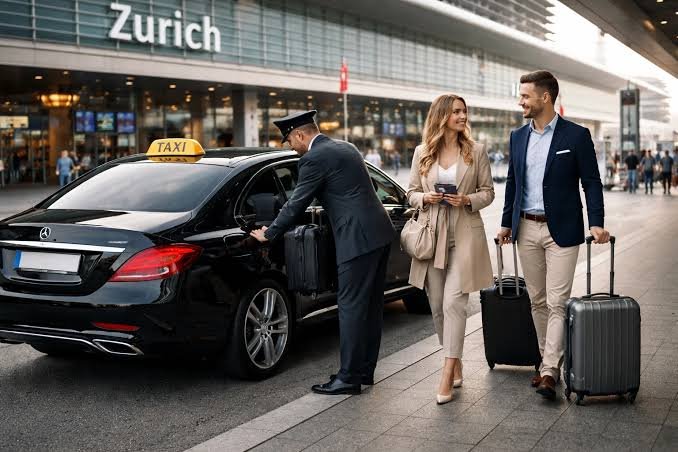
- Unusual Luggage and One-Way Airport Routes: One-way bookings to major hubs such as Heathrow or Gatwick with extensive luggage, where the passenger seems uninformed about the destination or purpose of travel.
- Agitated Demeanor and Secret Signals: Passengers attempting eye contact with the driver through the rear-view mirror, mouthing words silently, or trying to leave notes in the rear footwell.
- Stark Contrast in Passenger Behavior: A sharp divide between an overly calm, demanding relative and a visibly frightened individual who appears coerced.
Understanding Honor-Based Abuse (HBA) Dynamics
Honor-based abuse encompasses a spectrum of coercive behaviors designed to enforce control and defend perceived family honor. HBA is not specific to any single culture, religion, or community, and it can affect individuals of any gender or background. Perpetrators are often family members or extended associates working together to control the victim’s autonomy.
In a private hire environment, this control often manifests as intense surveillance. A driver might notice an accompanying passenger constantly checking the victim’s location, monitoring phone calls, or physically blocking the doors. Recognizing that honor-based abuse can involve multiple family members is vital; the person who booked the trip, the person paying the fare, and the person sitting next to the victim may all be participating in the coercive effort, leaving the passenger completely isolated during transit.
TfL Safeguarding Standards and Professional Preparedness
Transport for London (TfL) requires all licensed private hire drivers to maintain high standards of public protection, equality, and safety awareness. Fulfilling these duty-of-care expectations is essential for holding and maintaining a professional London driver’s license.
Mastering safeguarding principles, learning official reporting paths, and understanding driver obligations form an indispensable part of driver education. Many driver applicants and license holders complete a structured SERU training course to thoroughly understand TfL’s Safety, Equality and Regulatory Understanding requirements. Taking these structured courses ensures drivers can recognize indicators of harm, handle sensitive situations appropriately, and fulfill their official regulatory responsibilities on London’s roads.
Recommended Protocols: How Drivers Should Safely Respond
When a driver suspects that a passenger is at risk of forced marriage or honor-based violence, safety must remain the top priority for everyone involved. Confronting suspected perpetrators directly inside or near the vehicle can increase danger and put the victim at immediate risk. Drivers should follow these established response steps:
- Maintain Professional Neutrality: Avoid questioning accompanying passengers or asking probing questions that could escalate tension or cause perpetrators to change their plans.
- Note Crucial Information: Discreetly remember key details such as exact drop-off points, physical descriptions, booking references, luggage identification, and exact time stamps.
- Contact Emergency Services: If you reasonably believe a passenger is in immediate, severe danger (such as being forced onto an international flight), call emergency services (999) as soon as it is safe to stop.
- Report via Safeguarding Channels: Non-emergency concerns can be reported to the police via 101, TfL driver safety channels, or specialized forced marriage protection helplines.
Conclusion: Protecting London’s Communities One Journey at a Time
London private hire drivers play a crucial role in maintaining public safety throughout the city. By remaining observant and recognizing the warning signs of forced marriage and honor-based abuse, drivers act as vital guardians within the transport network. Combining keen observation with regulatory training ensures that drivers satisfy TfL standards while actively helping to keep vulnerable Londoners safe.