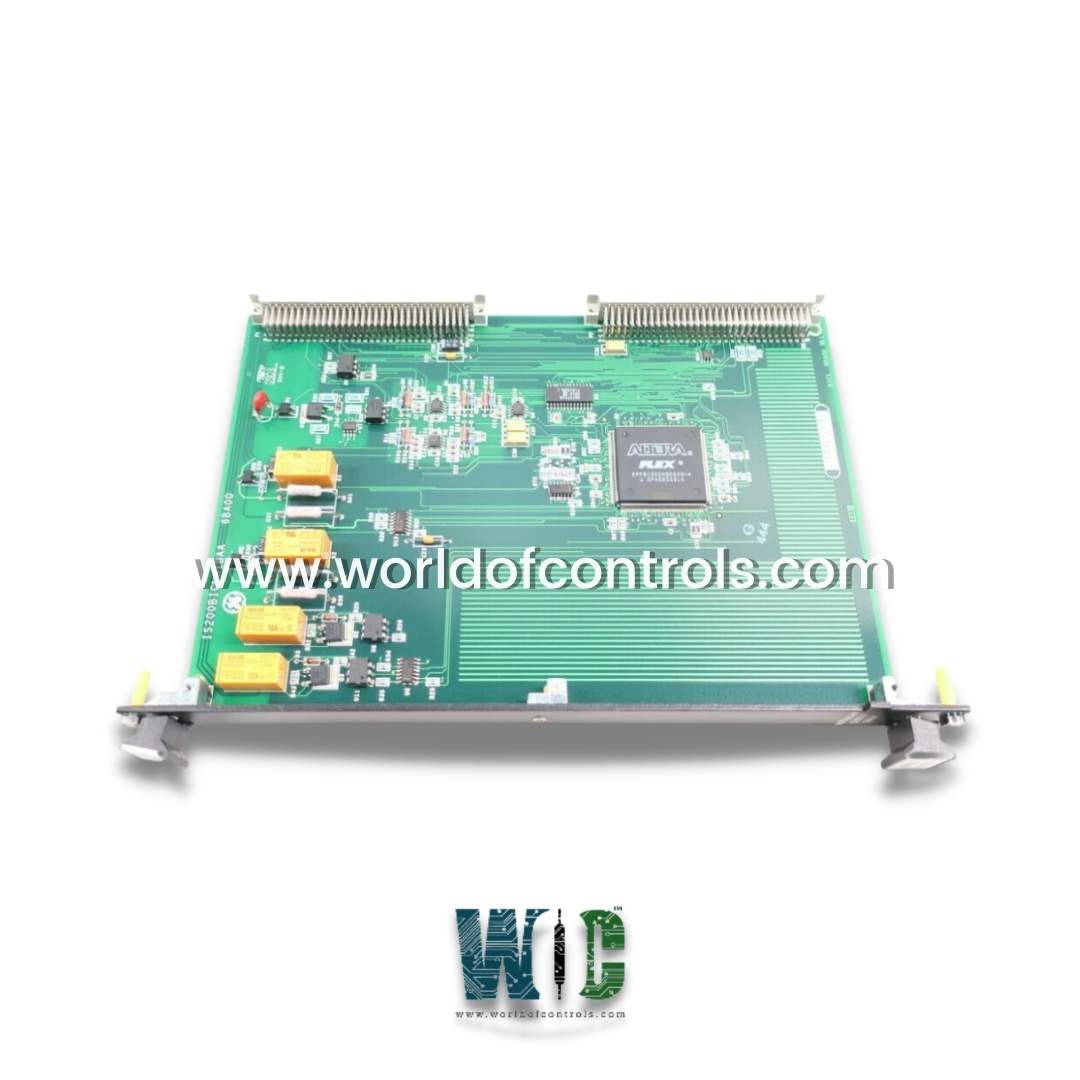
Introduction: The Role of Interface Technology in Modern Power Plants
Reliable power generation depends on the seamless operation of advanced turbine control systems. In gas, steam, and combined-cycle power plants, every control component contributes to maintaining efficiency, safety, and operational stability. Among these components, GE Bridge Interface Boards play an important role by enabling communication between turbine control modules, monitoring systems, and field-level devices.
As turbine systems become more automated, reliable communication between electronic control components becomes essential. Bridge Interface Boards help ensure accurate data transfer, improved system coordination, and consistent turbine performance, making them a critical element in modern industrial power generation environments.
What Is a GE Bridge Interface Board?
A GE Bridge Interface Board is an electronic control component designed to connect and coordinate different sections of a turbine control system. It acts as an interface between control modules, allowing signals and operational data to move efficiently throughout the turbine automation network.
In complex turbine applications, multiple systems work together, including sensors, controllers, protection modules, and monitoring equipment. The bridge interface function helps these systems communicate effectively, supporting real-time control decisions and maintaining stable turbine operation.
These boards are commonly used within GE turbine control platforms to improve system integration, signal management, and overall automation performance.
Importance of Bridge Interface Boards in Turbine Control Systems
Turbines operate under demanding conditions where accurate monitoring and rapid response are essential. A reliable control system must continuously collect operational data, process signals, and coordinate various turbine functions.
Bridge Interface Boards support these requirements by providing:
- Reliable communication between turbine control modules
- Efficient signal exchange across automation systems
- Improved coordination between monitoring and control functions
- Enhanced system responsiveness during changing operating conditions
- Better integration of turbine hardware and control technologies
By maintaining dependable communication pathways, these boards contribute to improved turbine availability and reduced risk of operational interruptions.
How GE Bridge Interface Boards Improve Power Generation Reliability
Supporting Accurate Data Communication
Power generation systems depend on continuous data exchange between multiple control components. Bridge Interface Boards help maintain accurate communication channels, allowing turbine controllers to receive and transmit essential operational information effectively.
This reliable signal transfer supports better decision-making and enables control systems to respond quickly to changing turbine conditions.
Enhancing Turbine Monitoring and Protection
Modern turbines require continuous monitoring to maintain safe and efficient operation. Interface boards assist in transferring signals from various system components, helping operators and automated controls track important operating parameters.
Improved communication between control systems and monitoring devices allows potential issues to be identified earlier, supporting preventive maintenance strategies.
Improving System Stability and Efficiency
Stable turbine operation requires all control components to work together effectively. Bridge Interface Boards help maintain synchronization between different sections of the control architecture, reducing communication delays and improving overall system performance.
This contributes to better operational efficiency, smoother turbine operation, and improved power plant reliability.
Applications in Gas, Steam, and Industrial Turbines
GE Bridge Interface Boards are used across various turbine-based power generation applications, including gas turbines, steam turbines, and combined-cycle facilities. In these environments, dependable control communication is essential for managing complex operating processes.
From startup and shutdown sequences to continuous load operation, turbine control systems rely on accurate information exchange between multiple electronic components. Bridge Interface Boards provide the connection needed to support these critical functions.
Maintenance and Reliability Considerations
Proper maintenance of turbine control hardware is essential for maximizing equipment lifespan and minimizing unexpected downtime. Regular inspections, system diagnostics, and monitoring of communication performance can help identify potential issues before they impact plant operations.
Maintenance teams should ensure that control system components are installed correctly, operate within recommended conditions, and are replaced with compatible hardware when required. Effective maintenance practices help preserve turbine reliability and support long-term power generation performance.
Conclusion: A Critical Component for Reliable Energy Production
GE Bridge Interface Boards are an essential part of modern turbine control systems, providing reliable communication between automation components and supporting efficient power generation operations. By enabling accurate signal exchange, improved monitoring, and better system integration, these boards contribute significantly to turbine reliability and plant performance.
As the power generation industry continues to adopt advanced automation technologies, dependable interface solutions will remain crucial for maintaining efficient, safe, and uninterrupted turbine operations.