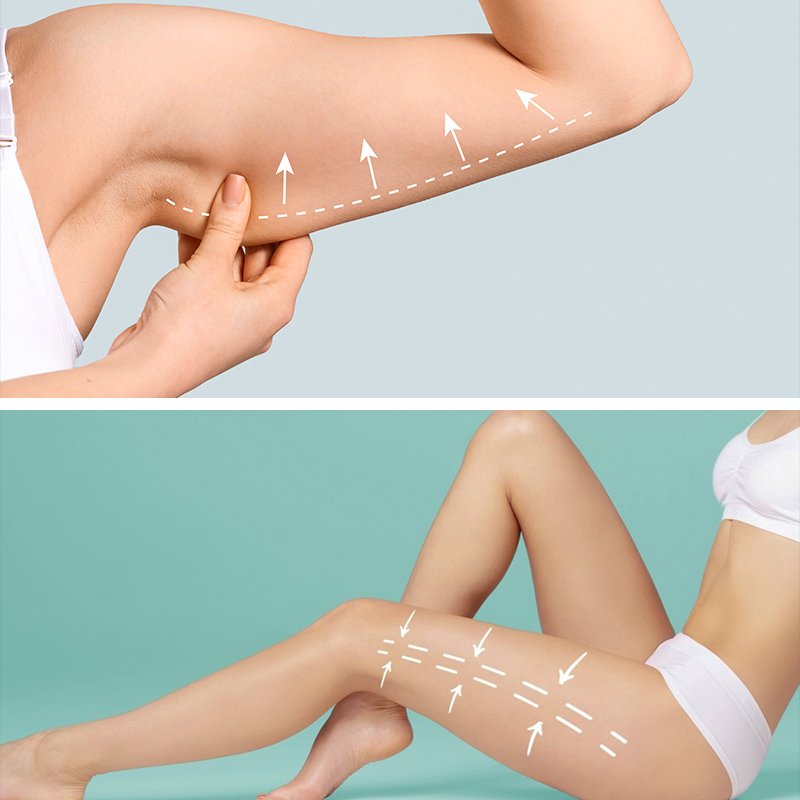
Achieving more defined arms and thighs can be challenging, particularly when stubborn fat deposits remain despite regular exercise and a balanced diet. These areas can retain excess fat because of individual genetics, hormonal influences, age-related changes, and natural body fat distribution. For people who are close to their target weight but struggle with localised fullness, fat removal surgery may offer a way to improve body contours and create a more proportionate appearance.
Fat Removal Surgery designed to reshape the body are available through various aesthetic clinics. Modern surgical techniques, including traditional liposuction and selected energy-assisted approaches, can help reduce localised fat in the upper arms, inner thighs, and outer thighs. The objective is not simply to make these areas smaller but to create smoother transitions and contours that complement the patient’s overall proportions.
However, successful treatment depends on more than the amount of fat removed. Skin elasticity, underlying tissue structure, muscle definition, and individual healing responses all influence the final appearance. Someone with firm skin and localised fat may be a suitable candidate for liposuction, while someone with considerable loose skin may require a different surgical approach, such as an arm lift or thigh lift.
Choosing an experienced surgeon and an appropriately equipped medical facility is essential. Patients should understand the potential benefits, recovery requirements, risks, and realistic outcomes before proceeding. This guide explores how fat removal reshapes the arms and thighs, what patients should consider when evaluating clinics in Dubai, and how to approach treatment decisions with confidence.
Clinics to Consider for Arm and Thigh Contouring in Dubai
Elora Aesthetics Polyclinic
Elora Aesthetics Polyclinic is an option for patients exploring aesthetic treatments and seeking professional guidance about their body-contouring goals. When considering treatment for the arms or thighs, patients should establish whether the clinic provides surgical liposuction directly or offers consultations and referrals for procedures performed by an appropriately qualified surgeon.
A detailed assessment should consider the distribution of fat, skin quality, and the degree of contour improvement the patient hopes to achieve. These factors help determine whether localised fat reduction alone is appropriate or whether excess skin may also need attention.
Patients interested in fat removal should ask about the available techniques, the qualifications of the treating practitioner, the location where surgery would take place, and the arrangements for postoperative care. Clear information about these matters can help patients make an informed decision based on their individual needs rather than selecting a procedure solely because of its popularity.
Tajmeels Clinic
Tajmeels Clinic is another name patients may encounter while researching aesthetic care in Dubai. Those interested in improving arm or thigh contours should confirm the clinic’s current surgical services and whether consultations are provided by the practitioner who would perform the procedure.
Arm and thigh contouring requires attention to the different characteristics of each treatment area. The upper arms may have localised fat alongside loose skin, while the thighs can present concerns involving inner-thigh fullness, outer-thigh proportions, or uneven contours. A suitable approach should address the patient’s specific anatomy rather than apply the same technique to every area.
During a consultation, patients can ask about candidacy, the expected extent of fat reduction, incision placement, recovery restrictions, and the possibility of needing additional treatment for loose skin. It is also worth discussing how the proposed procedure may affect the balance between the treated area and neighbouring body regions.
Before making a decision, patients should verify the surgeon’s credentials, facility licensing, and postoperative arrangements. These checks provide a stronger basis for evaluating a clinic than promotional images or broad claims about results.
Dynamic Life Clinic
Dynamic Life Clinic may be considered by patients researching cosmetic and aesthetic services in Dubai. Before choosing any clinic for arm or thigh surgery, prospective patients should confirm whether the required surgical procedure is available and identify the medical professional responsible for their care.
The consultation should explore the patient’s desired outcome in practical terms. For example, someone who wants a more defined upper arm may benefit from a different treatment plan than someone whose main concern is fullness along the inner thighs. The clinician should also assess skin elasticity, existing asymmetry, medical history, and whether the patient’s weight has remained relatively stable.
Patients considering liposuction should ask how the technique is selected, what level of contour change is realistic, and which risks are relevant to their circumstances. They should also receive clear guidance on compression garments, activity restrictions, follow-up appointments, and the time needed for swelling to settle.
An informed discussion helps patients understand both the potential benefits and the limitations of surgery. The most appropriate plan is one that addresses the individual’s concerns while preserving natural-looking proportions and prioritising safe treatment.
drsurindher.com
The practice associated with drsurindher.com is another option to investigate when researching cosmetic surgery and body-contouring care. Patients should verify the practitioner’s current qualifications, location, scope of practice, and availability of arm or thigh liposuction before arranging treatment.
For patients with localised fat deposits, a consultation should determine whether surgical fat reduction can achieve the desired contour improvement. The assessment should distinguish between excess fat and loose skin because these concerns do not necessarily respond to the same procedure. In some cases, combining or choosing a skin-removal operation may be more appropriate than liposuction alone.
Patients should also discuss the anticipated extent of change, possible irregularities, bruising, swelling, scarring, and the potential need for revision treatment. Understanding these factors before surgery supports realistic expectations and more informed decision-making.
It is advisable to confirm where the procedure will be performed, who will provide anaesthesia when required, and how postoperative concerns will be managed. Verifying these details helps patients evaluate whether a proposed treatment plan meets their medical needs and safety expectations.
Enfield Royal Clinic
Enfield Royal Clinic is a clinic patients may consider when researching cosmetic procedures and body-contouring options in Dubai. For individuals concerned about fuller upper arms, inner thighs, or outer thighs, an initial consultation should establish whether surgical fat reduction is suitable for their anatomy and expectations.
A personalised treatment discussion can help clarify which areas may benefit from liposuction and whether skin laxity could limit the outcome. Removing excess fat does not automatically tighten significantly loose skin, so a careful assessment is particularly important for patients who have experienced substantial weight changes or age-related loss of elasticity.
When discussing fat removal, patients should ask about the surgeon’s relevant qualifications and experience, the proposed technique, anaesthesia arrangements, potential complications, and expected recovery. They should also understand whether the procedure would be performed at an appropriately licensed surgical facility and what follow-up care would be available.
The goal of a responsible consultation is to establish realistic expectations. Although targeted fat reduction can improve the definition of the arms and thighs, the degree of change varies from person to person. Patients should receive an individualised treatment plan that prioritises safety, proportionate results, and long-term satisfaction rather than promises of a particular body shape.
How Fat Removal Surgery Reshapes the Arms and Thighs
Fat removal surgery, commonly performed through liposuction, reduces localised deposits of fat beneath the skin. A surgeon inserts a thin cannula through small incisions and removes targeted fat using a suitable technique. The aim is to improve the contours of the treated area while maintaining a smooth, natural transition between surrounding tissues.
Improving Upper-Arm Definition
The upper arms can develop persistent fullness around the triceps and the back or inner portions of the arm. Liposuction may reduce this fullness and create a more streamlined appearance, particularly in patients whose skin has sufficient elasticity to adapt to the reduced volume.
However, liposuction does not directly strengthen muscles or remove substantial quantities of loose skin. Patients with pronounced skin laxity may need an arm lift, which removes excess skin and typically leaves a longer scar. A surgeon should explain the trade-offs between these approaches during the assessment.
Creating More Balanced Thigh Contours
The thighs contain several distinct treatment areas, including the inner thighs, outer thighs, and the region around the front of the upper legs. Localised fat reduction can help refine these contours and improve how the thighs relate to the hips and knees.
Inner-thigh liposuction may reduce fullness that causes the legs to appear less defined, while outer-thigh treatment can address localised fat around the hips and upper legs. The objective should be a balanced silhouette rather than removing as much fat as possible.
Excessive or uneven fat removal can produce visible depressions, asymmetry, or irregular contours. An experienced surgeon therefore considers the distribution of fat across the entire treatment area rather than focusing exclusively on the most prominent deposit.
Understanding Skin Tightening and Surgical Limitations
After fat is removed, the skin must adapt to the reduced underlying volume. Younger patients and those with good skin elasticity may experience a smoother contour, although the degree of retraction cannot be guaranteed.
Skin laxity can become more noticeable following significant weight loss, pregnancy, ageing, or changes in tissue elasticity. In these situations, liposuction alone may not provide the desired result. A lift procedure may be discussed if excess skin is a major concern, with the understanding that skin-removal surgery involves additional incisions and scars.
Recovery and the Development of Results
Following surgery, swelling, bruising, tenderness, and temporary changes in sensation are common. Compression garments may be recommended to support the treated areas, control swelling, and assist recovery. The surgeon should provide specific instructions about garment use, movement, wound care, and returning to exercise.
Many patients resume some routine activities within days, depending on the extent of surgery and their individual recovery. More strenuous exercise generally requires a longer period of recovery and medical clearance.
Initial contour changes may become visible as swelling subsides, but the final appearance can take several months to develop. Follow-up appointments help the surgical team monitor healing and identify concerns that may require attention.
How to Choose the Right Clinic for Fat Removal
Selecting a clinic requires careful consideration of medical credentials, surgical expertise, facility standards, and the quality of the consultation. A professional environment should encourage questions and provide balanced information about both benefits and risks.
Experience and Qualifications
Check that the surgeon holds the appropriate specialist qualifications and current licensing for the procedure. Experience with arm and thigh liposuction is particularly relevant because these areas require careful attention to symmetry, skin quality, and the preservation of natural contours.
Ask about the surgeon’s experience with patients who have similar anatomical concerns. Before-and-after photographs may help illustrate the range of outcomes, but they should not be treated as a guarantee of what another patient will achieve.
Technology and Techniques
Clinics may discuss traditional liposuction or energy-assisted approaches, depending on their services and the patient’s suitability. The appropriate technique depends on factors such as the treatment area, fat distribution, skin elasticity, and the surgeon’s assessment.
Patients should ask why a particular method is recommended and what evidence supports its use for their specific concern. Newer technology is not automatically safer or more effective for every patient, and the quality of surgical planning remains important.
Safety Standards
Confirm that the operation will take place in a properly licensed facility with appropriate infection-control procedures, anaesthesia support, monitoring, and emergency arrangements. Patients should receive clear information about the risks of surgery, including bleeding, infection, fluid accumulation, contour irregularities, blood clots, and anaesthesia-related complications where applicable.
A responsible provider will also review medical history, current medications, allergies, smoking status, and other factors that could affect surgical safety.
Consultation and Patient Experience
A thorough consultation should include a physical examination, a discussion of the patient’s goals, and an explanation of the proposed treatment plan. The clinician should distinguish between concerns caused by excess fat and those caused by loose skin or underlying anatomical features.
Patients should feel comfortable asking questions and receiving straightforward answers. Clear written instructions, accessible follow-up arrangements, and realistic discussions about recovery are important parts of good patient care.
Expected Results and Long-Term Maintenance
The expected outcome should be discussed in terms of contour improvement rather than a specific clothing size or guaranteed body shape. Liposuction permanently removes some fat cells from the treated area, but remaining fat cells can enlarge if substantial weight is gained.
Maintaining a relatively stable weight, following a balanced diet, and staying physically active can help preserve the results. Patients should also understand that surgery does not prevent natural ageing or future changes in skin elasticity.
Frequently Asked Questions
Is fat removal surgery effective for reshaping the arms and thighs?
Liposuction can reduce localised fat deposits and improve the contours of the arms and thighs in appropriately selected patients. Results depend on the amount and distribution of fat, skin elasticity, surgical technique, and individual healing. It is a body-contouring procedure rather than a treatment for general weight loss.
Will the skin tighten after fat removal surgery?
Skin may retract after fat removal, particularly when elasticity is good. However, significant loose skin may remain, especially after substantial weight loss or ageing. A surgeon may recommend an arm lift or thigh lift if excess skin is the main concern.
How long does recovery take after arm or thigh liposuction?
Recovery varies according to the extent of treatment and individual healing. Some routine activities may be possible within several days, while strenuous exercise and more demanding activities often require additional time. Swelling can persist for weeks or months, so the final contour takes time to become apparent. Follow the operating surgeon’s instructions rather than relying on a fixed recovery timeline.
Are the results of fat removal surgery permanent?
Fat cells removed during liposuction do not grow back in the same way, but the remaining fat cells can enlarge with weight gain. Significant changes in weight may alter the treated areas and overall body proportions. Stable weight and healthy lifestyle habits can help maintain the result, although ageing and skin changes continue naturally.
How can patients choose a suitable clinic in Dubai?
Patients should verify the surgeon’s specialist qualifications, relevant experience, facility licensing, surgical safety arrangements, and postoperative support. A comprehensive consultation should explain the available options, realistic outcomes, risks, recovery requirements, and total costs. Patients should avoid making a decision based solely on discounts, marketing claims, or photographs of other patients.
Conclusion
Fat removal surgery can help reshape the arms and thighs by reducing stubborn fat deposits and improving the body’s overall proportions. When the procedure is carefully planned for a suitable candidate, it may create more defined contours that complement the patient’s natural shape. However, the outcome depends on skin elasticity, fat distribution, surgical expertise, and the individual’s healing response.
Patients considering Fat Removal in Dubai should prioritise a thorough medical assessment, verified surgical qualifications, appropriate facility standards, and realistic expectations. Liposuction may be suitable for localised fullness, while significant loose skin may require a different approach. Understanding these distinctions helps patients make decisions that align with their anatomy, goals, and long-term wellbeing.