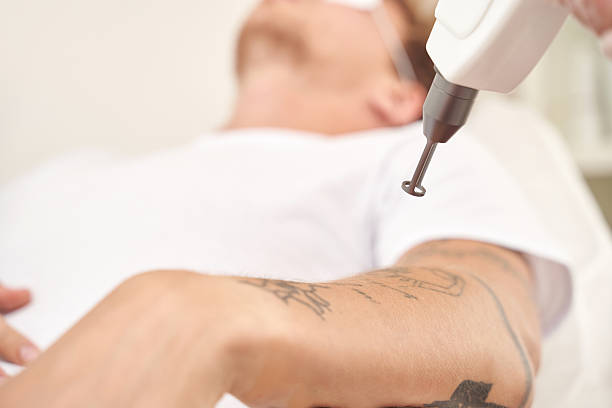
Laser tattoo removal has become a widely used method for fading and removing unwanted tattoos, but one of the most important considerations in modern aesthetic care is how safely it works on darker skin tones. Because skin pigmentation plays a significant role in how laser energy interacts with the body, understanding this process is essential for achieving effective and balanced results. In regions where advanced aesthetic treatments are commonly explored, such as Laser Tattoo Removal Abu Dhabi, there is growing interest in how technology can be safely adapted to different skin tones without compromising skin health or treatment outcomes. The science behind this approach focuses on precision, controlled energy delivery, and the natural behavior of pigment in the skin.
Understanding How Laser Tattoo Removal Interacts with Skin Pigment
Laser tattoo removal works by directing concentrated pulses of light into the skin to target tattoo ink. The energy is absorbed by the pigment particles, which causes them to break into smaller fragments. These fragments are then gradually processed and removed by the body’s natural systems over time.
In darker skin tones, there is naturally more melanin present in the skin. Melanin is the pigment responsible for skin color, and it also absorbs light energy. Because both tattoo ink and melanin can absorb laser energy, the challenge lies in ensuring that the laser targets the tattoo pigment without overly affecting the surrounding skin tone. This is where modern technology and careful adjustment become essential for safety and effectiveness.
Why Darker Skin Requires Specialized Laser Approaches
Darker skin tones require a more tailored approach because of the increased presence of melanin in the epidermis. Since melanin can also absorb laser energy, the goal is to ensure that the laser selectively focuses on tattoo ink rather than natural skin pigment.
This does not mean that laser tattoo removal is less effective on darker skin. Instead, it means that the parameters used must be carefully adjusted to ensure balance. The laser must be calibrated in a way that minimizes unnecessary interaction with melanin while still effectively breaking down tattoo ink. This precision allows for safe and gradual fading over time.
The Role of Wavelength Selection in Safety
One of the most important factors in safely treating darker skin tones is the selection of the appropriate laser wavelength. Different wavelengths penetrate the skin at different depths and interact differently with pigment.
Longer wavelengths are often preferred for darker skin tones because they are less likely to be absorbed by melanin in the upper layers of the skin. Instead, they can pass more deeply and selectively target tattoo ink. This reduces the likelihood of excessive interaction with natural skin pigment while still effectively breaking down tattoo particles.
By carefully selecting the correct wavelength, modern laser systems can achieve effective results while maintaining skin safety and balance.
How Energy Control Enhances Skin Protection
Energy control is another essential factor in ensuring safe laser tattoo removal on darker skin tones. The intensity of the laser must be carefully adjusted so that it is strong enough to break down ink particles but gentle enough to avoid unnecessary stress on the skin.
Lower, controlled energy settings allow the skin to respond gradually rather than reacting too strongly to a single pulse. This controlled delivery ensures that the tattoo pigment is targeted effectively while reducing the risk of overexposure to surrounding skin tissue. Over time, this careful balance supports consistent fading without disrupting the skin’s natural structure.
The Importance of Skin Cooling and Stability
During laser tattoo removal, maintaining skin stability is crucial, especially for darker skin tones. The skin naturally absorbs and distributes heat during the process, so managing this response helps maintain comfort and balance.
Cooling techniques are often used during treatment to help regulate the skin’s response to laser energy. This helps ensure that the surface remains stable while the laser works beneath it to break down pigment. By maintaining a balanced temperature response, the skin is better able to handle repeated sessions without unnecessary stress.
Gradual Fading and the Body’s Natural Response
Laser tattoo removal is not an instant process. Instead, it relies on the body’s natural ability to process and remove fragmented pigment over time. After each session, the ink particles continue to break down and are gradually cleared by the body’s immune system.
In darker skin tones, this gradual process is especially important because it allows the skin to adapt between sessions. The body continues working even after the laser session has ended, slowly reducing the visibility of the tattoo. This steady progression helps ensure that fading occurs in a controlled and natural-looking way.
Why Precision Matters More in Darker Skin Treatments
Precision is a key factor in ensuring safe and effective laser tattoo removal for darker skin tones. The laser must be accurately directed to the tattoo pigment without affecting surrounding melanin-rich skin.
Modern laser systems allow for highly focused energy delivery, which ensures that only the intended pigment is targeted. This precision reduces unnecessary exposure and supports a more refined treatment process. By concentrating energy exactly where it is needed, the skin remains protected while the tattoo gradually fades.
In advanced aesthetic environments such as Laser Tattoo Removal Abu Dhabi, precision-based approaches are central to achieving balanced and safe results across all skin tones.
How Multiple Sessions Support Safety and Effectiveness
Laser tattoo removal is always performed over multiple sessions, and this structure is especially beneficial for darker skin tones. Spacing treatments allows the skin to recover and the body to process ink particles before the next session.
This gradual approach ensures that the skin is not overwhelmed by repeated exposure and that pigment is broken down in manageable stages. Each session builds upon the previous one, leading to steady and controlled fading over time. This method is essential for maintaining skin integrity while achieving visible improvement.
Skin Adaptation and Long-Term Response
One of the advantages of laser tattoo removal is that the skin adapts over time. With each session, the skin becomes more accustomed to the controlled energy delivery, and the body becomes more efficient at processing ink particles.
In darker skin tones, this adaptation helps ensure that the process remains stable and predictable. The skin maintains its natural tone while gradually reducing the visibility of the tattoo. Over time, this leads to a more even and refined appearance.
The Role of Modern Technology in Expanding Safety
Advancements in laser technology have significantly improved the safety and effectiveness of tattoo removal for darker skin tones. Modern systems are designed with adjustable settings that allow for precise control of wavelength, pulse duration, and energy intensity.
These innovations ensure that treatment can be customized according to individual skin characteristics. This level of adaptability has made laser tattoo removal a more inclusive and widely accessible procedure, offering safe options for a broader range of skin tones than ever before.
Conclusion
Laser tattoo removal can be safely performed on darker skin tones when the process is carefully controlled and tailored to the unique characteristics of melanin-rich skin. Through the use of appropriate wavelengths, precise energy settings, and gradual treatment sessions, modern laser systems are able to effectively target tattoo pigment while protecting the surrounding skin. In regions where advanced aesthetic care is widely practiced, such as Laser Tattoo Removal Abu Dhabi, this balance of safety and effectiveness is achieved through highly customized approaches. Ultimately, successful tattoo removal on darker skin tones relies on precision, patience, and technology designed to work in harmony with the skin’s natural structure.
FAQs
Is laser tattoo removal safe for darker skin tones?
Yes, when properly adjusted, laser tattoo removal can be safely performed on darker skin tones using controlled settings.
Why does darker skin require special laser settings?
Because higher melanin levels can also absorb laser energy, requiring more precise adjustments to target tattoo ink safely.
Does laser tattoo removal work differently on darker skin?
The process is the same, but settings are carefully modified to ensure safe interaction with skin pigment.
How many sessions are needed for darker skin tones?
The number of sessions varies depending on tattoo characteristics, but treatment is always gradual for safe results.
Can darker skin achieve full tattoo fading?
Many tattoos can fade significantly with proper technique, although results depend on ink type, depth, and individual response.