Introduction
Gynecomastia surgery is designed to address excess male breast tissue and create a flatter, more proportionate chest appearance. For people considering Gynecomastia surgery in Abu Dhabi, understanding how the procedure addresses glandular tissue, excess fat, and changes in chest contour can make the treatment easier to understand. The approach is generally tailored to the underlying cause and the amount and type of tissue present. Rather than focusing only on reducing volume, the procedure aims to improve overall chest definition while maintaining a natural-looking appearance.
Understanding Gynecomastia
Gynecomastia refers to the development of excess breast tissue in males. The condition can involve glandular tissue beneath the nipple, additional fatty tissue, or a combination of both. Changes in the chest can vary considerably from person to person, which means treatment planning typically considers the individual’s chest structure, tissue distribution, and desired appearance.
Excess chest tissue may become noticeable during adolescence or adulthood and can affect one or both sides of the chest. In some cases, the tissue is primarily glandular, while in others, increased fatty tissue contributes significantly to chest fullness. Understanding this distinction is important because different types of tissue may require different approaches during surgery.
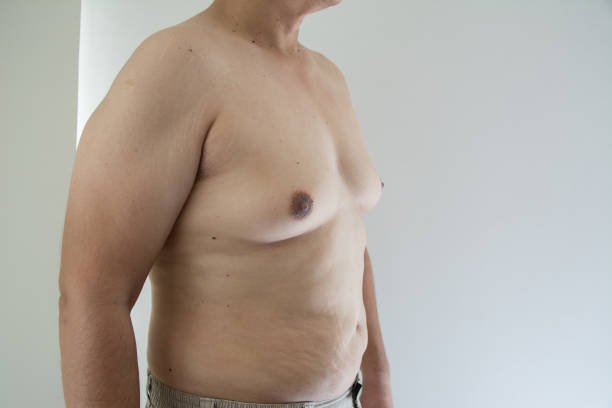
How Gynecomastia Surgery Addresses Excess Tissue
Gynecomastia surgery addresses excess chest tissue by removing or reducing the tissue responsible for unwanted fullness. When firm glandular tissue is present, surgical removal can help reduce the projection of the chest. When excess fat contributes to the appearance, fat reduction techniques may also be incorporated into the treatment approach.
The objective is not simply to remove as much tissue as possible. Instead, the procedure focuses on achieving an appropriate balance between tissue reduction and chest contour. Preserving a suitable amount of tissue beneath the nipple area can help support a smoother transition between the chest and surrounding areas.
Addressing Glandular Chest Tissue
Glandular tissue tends to feel firmer than surrounding fatty tissue and can form a noticeable area beneath the nipple. This type of tissue generally cannot be addressed through fat reduction alone. Surgical techniques can be used to directly remove the unwanted glandular component.
Reducing this firm tissue can decrease the projection of the nipple and create a flatter chest profile. The amount removed depends on the individual’s anatomy and the overall treatment objective. Careful tissue management is important because excessive removal can affect the natural contour of the chest.
Managing Excess Fat
Fat can contribute significantly to chest fullness, particularly when gynecomastia occurs alongside increased overall fatty tissue. In these situations, reducing excess fat can help improve the definition of the chest.
A treatment plan may combine glandular tissue removal with fat reduction when both components contribute to the appearance. This combination can create a more even contour by reducing fullness across different areas of the chest rather than concentrating only on the tissue beneath the nipple.
Creating a Flatter Chest Contour
One of the primary goals of gynecomastia surgery is to create a flatter and more balanced chest. Simply removing tissue does not automatically produce a natural contour. The surrounding chest area also needs to transition smoothly into the treated region.
The procedure therefore considers the shape of the chest as a whole. Tissue reduction may be carefully distributed to prevent an overly hollow appearance and to maintain proportion with the shoulders, upper abdomen, and torso. The desired result is typically a chest that looks more masculine and balanced without appearing excessively altered.
Improving Chest Proportion
Excess chest tissue can make the upper body appear less defined. Reducing this fullness can change the visual relationship between the chest, shoulders, and waist. A more proportionate chest can make the upper body appear structured and streamlined.
The extent of improvement depends on factors such as the amount of tissue present, skin characteristics, body composition, and the existing chest shape. Because every individual has different anatomy, the final contour is influenced by the starting point as well as the surgical approach.
When Skin Tightening May Be Considered
Some individuals have excess skin in addition to glandular tissue and fat. This can occur when the chest has been significantly stretched or when there has been substantial change in body size. In such circumstances, tissue removal alone may not provide the desired contour.
When appropriate, the treatment plan may include techniques intended to improve the relationship between the remaining skin and the underlying chest structure. The goal is to create a smoother and more defined appearance while considering the natural elasticity and characteristics of the skin.
Why Treatment Planning Matters
Gynecomastia can have different physical characteristics, so treatment is not necessarily identical for every person. A comprehensive assessment helps determine whether glandular tissue, fat, excess skin, or a combination is responsible for the chest’s appearance.
Treatment planning also considers symmetry. The two sides of the chest may not contain exactly the same amount of tissue, and subtle differences may need to be addressed to create a balanced appearance. Understanding these variations helps establish realistic expectations for the outcome.
What the Procedure Can Change
Gynecomastia surgery can reduce unwanted chest projection, decrease excess tissue, and improve the overall contour of the upper torso. These changes can make the chest appear flatter and more defined.
The procedure is primarily focused on physical contour rather than simply reducing a number on a scale. Its purpose is to address localized chest fullness that may remain noticeable despite changes in overall body composition.
Recovery and Changes in Chest Appearance
Following treatment, the chest gradually adjusts as the tissues settle and the treated area undergoes the normal healing process. The appearance immediately after surgery may not represent the final contour.
Over time, swelling and temporary changes in tissue firmness generally settle, allowing the underlying chest shape to become easier to appreciate. Following the recommended postoperative care instructions is an important part of supporting the healing process and achieving the intended contour.
Maintaining the Result
The tissue removed during gynecomastia surgery is not simply redistributed elsewhere in the body. However, overall body changes can influence the appearance of the chest over time. Significant fluctuations in body weight may affect the amount of fat around the treated area and alter overall chest definition.
Maintaining a relatively stable lifestyle can help preserve the proportions achieved through treatment. The long-term appearance also depends on individual anatomy, skin characteristics, and changes that occur naturally with age.
Who May Consider Gynecomastia Surgery
The procedure may be considered by adults who have persistent excess chest tissue and want to improve the contour of their upper torso. Suitable candidates are generally evaluated according to their physical characteristics, overall expectations, and the underlying nature of the chest enlargement.
A detailed assessment is important because chest enlargement can have different causes. Identifying the type and distribution of tissue helps determine whether surgical reduction is an appropriate approach.
Expectations From Gynecomastia Surgery
Realistic expectations are an important part of the treatment process. Gynecomastia surgery can reduce excess chest tissue and improve contour, but individual results vary. Factors such as chest anatomy, tissue composition, skin quality, and the extent of tissue reduction can influence the final appearance.
The goal is generally a natural-looking chest rather than an artificially flat appearance. Proportion and smooth transitions are key considerations when creating the desired result.
Conclusion
Gynecomastia surgery addresses excess chest tissue by targeting the specific components responsible for unwanted fullness. Depending on the individual’s anatomy, this may involve reducing glandular tissue, addressing excess fat, improving skin-to-chest proportions, or combining different surgical techniques. By focusing on both tissue removal and overall contour, the procedure can create a flatter, more balanced chest appearance.
FAQs
What does gynecomastia surgery remove?
Gynecomastia surgery can remove excess glandular breast tissue, reduce unwanted fatty tissue, or address both when they contribute to chest enlargement.
Can gynecomastia surgery make the chest flatter?
Yes, reducing excess tissue can decrease chest projection and create a flatter, more defined upper-torso contour.
Does gynecomastia surgery address fat as well as glandular tissue?
When fatty tissue contributes to chest fullness, the treatment approach may include fat reduction alongside removal of glandular tissue.
Is gynecomastia surgery suitable for everyone with chest enlargement?
Not necessarily. Suitability depends on the underlying cause of chest enlargement, the amount and type of tissue present, overall anatomy, and individual treatment goals.
Can both sides of the chest be treated?
Yes. Treatment can address both sides when excess tissue is present bilaterally, with the approach adjusted to account for differences in size or shape between the two sides.
How long does it take for the chest contour to become clearer?
The chest gradually changes as the treated tissues settle during the healing process. The final appearance may become more apparent over time rather than immediately after the procedure.
Can gynecomastia surgery improve chest symmetry?
It can improve the balance between the two sides by addressing differences in tissue volume and contour, although perfect symmetry is not always achievable.
Does gynecomastia surgery focus only on removing tissue?
No. An important part of the procedure is creating a smooth and proportionate chest contour after excess tissue has been addressed.