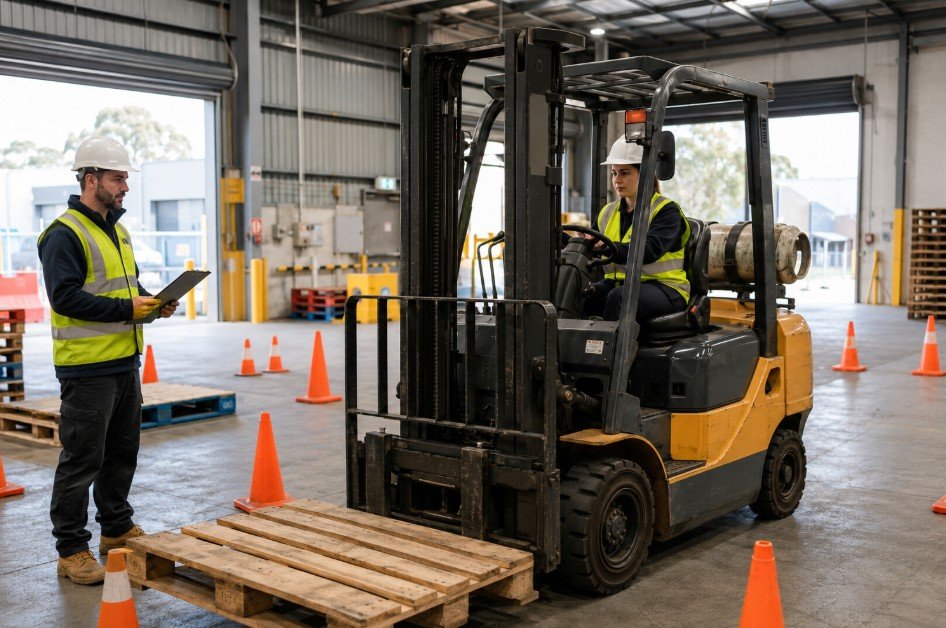
Workplace safety is a priority in environments where heavy machinery, moving vehicles and valuable materials are handled daily. Warehouses, construction sites, distribution centres and manufacturing facilities often rely on forklifts to move goods efficiently. However, without proper training, operating these machines can expose workers to serious risks, including collisions, falling loads, equipment damage and workplace injuries. Effective forklift training helps operators understand these hazards and develop the skills needed to work safely and responsibly.
Forklifts are powerful machines that require careful handling, sound judgement and an understanding of workplace procedures. Even experienced workers can make mistakes when they overlook safety precautions or operate equipment in unfamiliar conditions. Training provides operators with the knowledge to recognise potential dangers, follow established safety practices and respond appropriately when unexpected situations arise.
The Importance of Forklift Training for Workplace Safety
1. Develops Safe Operating Skills
One of the primary benefits of forklift training is that it teaches operators how to control equipment safely. Operating a forklift involves more than moving loads from one location to another. Workers must understand steering, braking, load positioning, lifting limits and the machine’s stability.
Training combines theoretical knowledge with practical experience to help operators develop these essential skills. They learn how to start, manoeuvre and stop equipment correctly while maintaining awareness of their surroundings. This preparation reduces the likelihood of mistakes that could lead to accidents or injuries.
For individuals considering a Forklift Course Melbourne, understanding safe operating techniques is an important step towards developing the knowledge and practical competence required in material-handling environments.
2. Helps Prevent Workplace Accidents
Forklift accidents can occur when operators travel too quickly, reverse without checking their surroundings, turn sharply or fail to account for pedestrians. Poor visibility, narrow aisles and uneven surfaces can increase these risks.
Training helps workers identify common accident scenarios and understand how to prevent them. Operators learn to maintain safe speeds, use warning devices where appropriate, follow designated travel routes and keep a safe distance from other workers and equipment.
Regular reinforcement of these practices helps establish safer working habits. When operators consistently apply what they have learnt, workplaces can reduce avoidable incidents and create a more controlled working environment.
3. Improves Load Handling and Stability
Incorrect load handling is a significant safety concern in forklift operations. Overloading a machine, lifting an unstable pallet or carrying a load incorrectly can affect stability and increase the risk of a tip-over or falling materials.
Training teaches operators to check load weights, understand the forklift’s rated capacity and position loads securely before lifting or transporting them. Workers also learn why the load should generally be carried low while travelling and why sudden turns or abrupt movements must be avoided.
Understanding the relationship between load weight, load centre and machine capacity allows operators to make safer decisions. These skills help protect workers, prevent product damage and reduce the risk of equipment-related incidents.
4. Strengthens Pedestrian Awareness
Forklifts often operate in shared spaces where pedestrians, delivery personnel and other vehicles move through the same areas. Limited visibility, blind corners and noisy surroundings can make these environments particularly hazardous.
Training encourages operators to remain alert and anticipate the movements of others. They learn to check blind spots, use mirrors appropriately, sound the horn when necessary and follow workplace traffic-management procedures.
Pedestrian safety also depends on cooperation across the workplace. Employees should use designated walkways, respect exclusion zones and avoid standing beneath raised loads. When operators and pedestrians understand their responsibilities, the risk of collisions can be reduced.
5. Encourages Pre-Operational Inspections
Equipment faults can create serious hazards if they are not identified before a forklift is used. Faulty brakes, damaged tyres, leaking hydraulic systems, defective lights and malfunctioning warning devices may compromise safe operation.
Training helps operators understand the importance of conducting pre-start inspections according to workplace procedures and manufacturer recommendations. These checks allow workers to identify visible defects and report concerns before beginning their tasks.
Operators should never use equipment they believe is unsafe. Defective forklifts should be taken out of service in accordance with workplace procedures until the problem has been assessed and addressed by an appropriately qualified person.
6. Builds Confidence in Emergency Situations
Unexpected events can occur even when safety precautions are followed. Loads may become unstable, equipment may develop faults or pedestrians may enter an operating area without warning.
Training prepares operators to respond calmly and appropriately. They learn to recognise unsafe conditions, stop operations when necessary, communicate hazards and follow emergency procedures.
Understanding the correct response to a potential tip-over is particularly important. Operators should follow the manufacturer’s instructions and the training provided for their specific equipment rather than attempting improvised manoeuvres. Clear emergency procedures help workers respond more effectively when safety is at risk.
7. Supports Compliance with Workplace Safety Requirements
In Australia, forklift operation is subject to workplace health and safety obligations. Certain types of forklifts are classified as high-risk work equipment, and operating a high-risk work forklift generally requires the appropriate high-risk work licence.
Training helps workers understand their responsibilities, follow workplace safety procedures and recognise the limits of their competence. Employers also need to ensure that operators are appropriately authorised, trained and supervised for the equipment and tasks involved.
Meeting these requirements supports safer operations while helping workplaces maintain consistent safety standards. Training should be complemented by suitable supervision, equipment maintenance and regular reviews of workplace procedures.
8. Promotes a Stronger Safety Culture
Workplace safety improves when safe practices become part of everyday operations rather than an occasional reminder. Forklift training reinforces the importance of communication, hazard reporting, accountability and following established procedures.
Employers can support this culture by providing refresher instruction when needed, reviewing incidents and near misses, and addressing unsafe practices promptly. Workers should feel comfortable reporting hazards without fear of blame.
When safety is treated as a shared responsibility, employees are more likely to identify risks early and take appropriate action to protect themselves and their colleagues.
Conclusion
Forklift training plays an essential role in improving workplace safety by developing practical operating skills, strengthening hazard awareness and encouraging responsible decision-making. It helps prevent accidents, improves load-handling practices, protects pedestrians and prepares operators to respond to unexpected situations.
However, training alone cannot eliminate every risk. Safe forklift operations also depend on suitable equipment, effective traffic management, regular maintenance and ongoing supervision. By combining competent operators with strong workplace safety procedures, organisations can create safer environments, protect valuable materials and support more efficient daily operations.