A cardboard box doesn’t usually get much attention until something goes wrong.
Perhaps a customer opens a parcel and finds a damaged item inside. Maybe a business realises it is spending more on shipping than expected. Sometimes the issue comes down to something surprisingly simple: the box was the wrong size.
Choosing a cardboard box is about much more than making sure a product fits. The right box helps protect what’s inside, keeps packaging costs under control, and can even make packing easier for the people doing it every day.
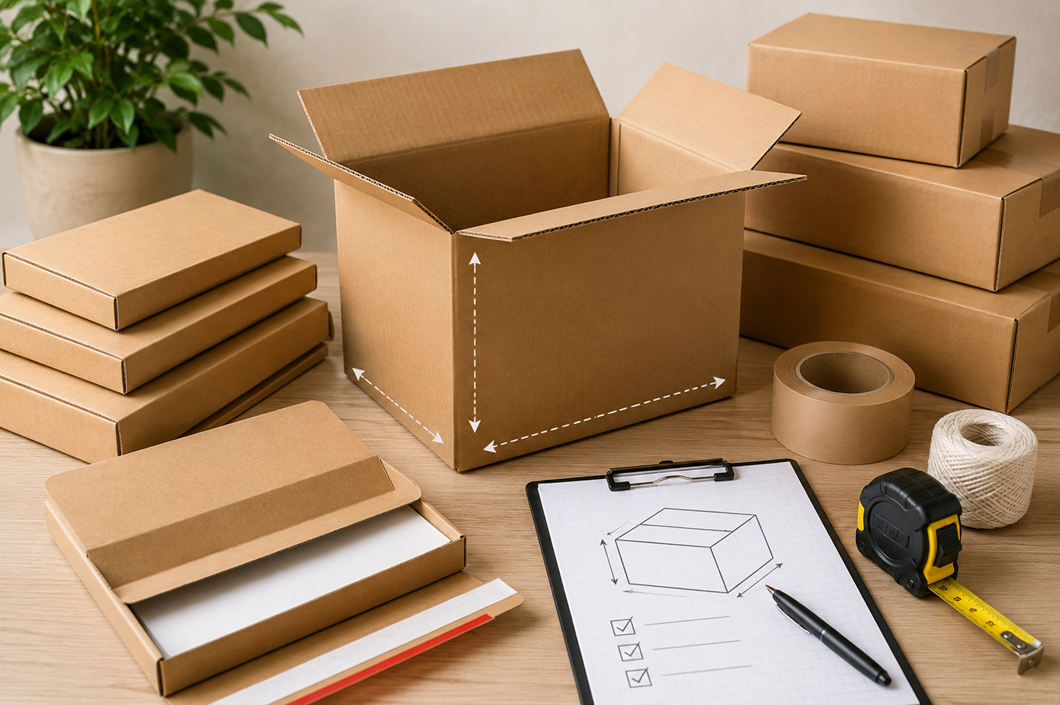
So, how do you choose the right cardboard box size? Start by looking at the product, not the packaging. The product will usually tell you everything you need to know.
What Should You Measure Before Choosing a Box?
Many people make the mistake of measuring only the item they are shipping.
In reality, you need to think about the product after it has been packed.
Take a ceramic mug as an example. The mug itself may be relatively small, but once it is wrapped in bubble wrap and placed in protective packaging, its dimensions change completely.
Before selecting a box, consider:
- Product dimensions
- Product weight
- Fragility
- Protective materials required
- Shipping distance
A product travelling a few miles may need less protection than one moving through several distribution centres before reaching its destination.
| Consideration | Why It Matters |
| Product Size | Determines internal dimensions |
| Product Weight | Helps identify suitable box strength |
| Fragility | Influences protective packaging needs |
| Shipping Distance | May require additional protection |
Which Type of Box Is Best for Different Products?
Not all cartons are designed for the same purpose. Some work better for retail orders, while others are built for heavier goods or long-term storage.
Postal Boxes
If you’ve ever ordered clothing, cosmetics, or a small gift online, there’s a good chance it arrived in a postal box.
These boxes have become popular because they are practical, easy to assemble, and suitable for a wide variety of products.
They are often used for:
- Clothing
- Beauty products
- Subscription boxes
- Accessories
- Gifts
Many businesses also like the neat presentation they provide when customers open their orders.
Envelope Boxes
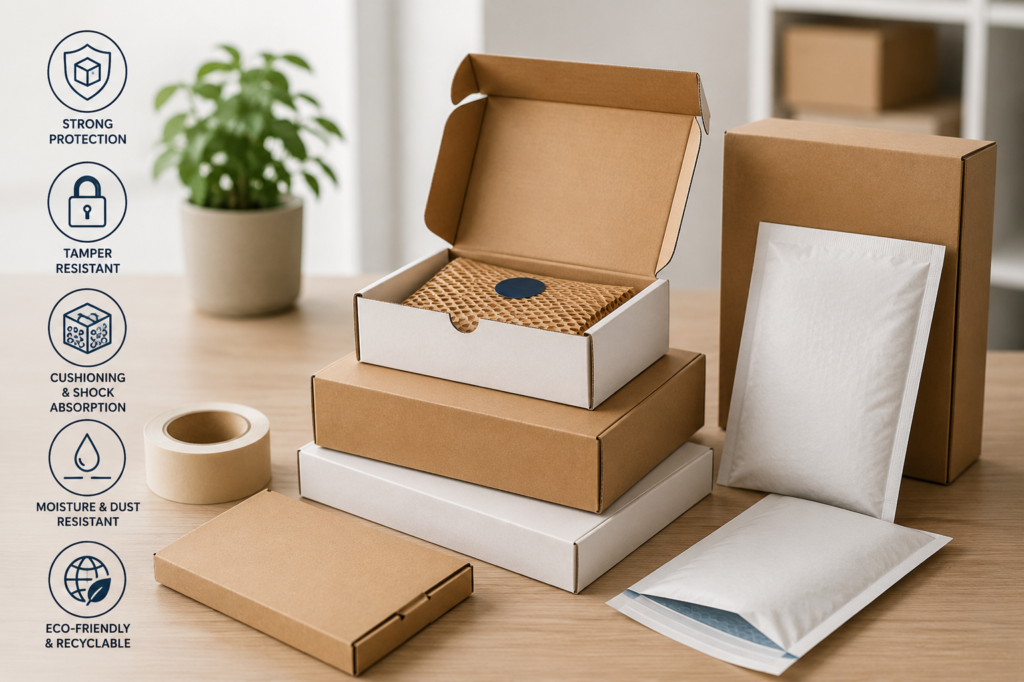
Some products don’t require a traditional carton.
Envelope boxes are designed for slimmer items and help avoid unnecessary bulk.
They are commonly chosen for:
- Documents
- Printed materials
- Certificates
- Promotional products
- Small electronic accessories
Their compact shape can also help keep shipping costs under control.
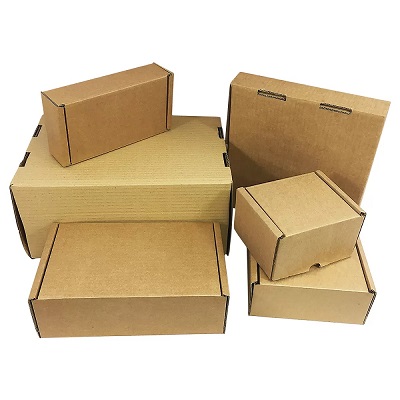
Cardboard Postal Boxes
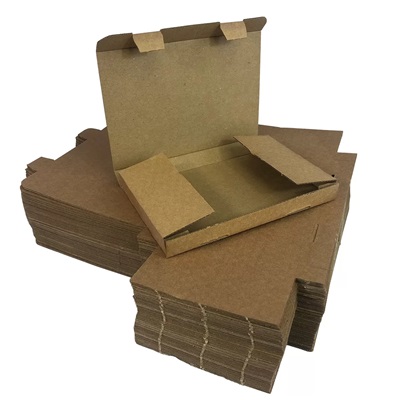
For many online retailers, cardboard postal boxes have become a dependable everyday packaging solution.
They offer enough strength for regular shipping while remaining lightweight and easy to store.
Common uses include:
- Retail orders
- Stationery
- Gifts
- Cosmetics
- Subscription products
Their popularity comes from their simplicity. They do the job well without making packing complicated.
Double-Wall Boxes
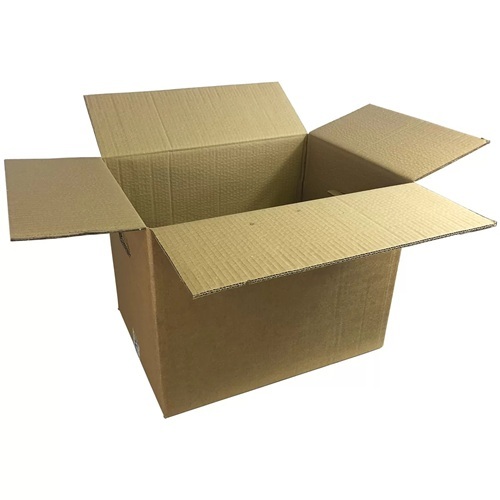
Sometimes a standard carton isn’t enough.
Heavier products often require additional strength, particularly when travelling long distances or passing through multiple handling points.
Double-wall boxes are frequently used for:
- Electronics
- Automotive parts
- Heavy products
- Fragile goods
The extra layer of corrugated board helps improve durability and reduce the risk of damage.
Do You Always Need Additional Packaging Supplies?
In most cases, yes.
Even the right-sized box benefits from suitable packaging supplies.
The exact materials will depend on the product, but common options include:
- Bubble wrap
- Kraft paper
- Foam protection
- Packing paper
- Void-fill materials
- Strong packing tape
The goal is not to use more packaging than necessary. It is simple to keep the product secure throughout its journey.
A well-packed product should feel stable inside the carton rather than loose and free to move around.
Quick Guide to Common Types of Boxes
| Box Type | Common Use |
| Postal Boxes | E-commerce and retail orders |
| Envelope Boxes | Flat products and documents |
| Cardboard Postal Boxes | General Shipping and Mailing |
| Double Wall Boxes | Heavy or fragile products |
| Archive Boxes | Document storage |
| Standard Cardboard Boxes | Everyday shipping and storage |
Can Choosing the Right Box Save Money?
It often can.
Many businesses focus on shipping rates without paying much attention to packaging. Yet oversized cartons usually require more filling materials, occupy more storage space, and may increase delivery costs.
When those extra costs are multiplied across hundreds of orders, they quickly add up.
Choosing the correct box size won’t solve every packaging challenge, but it is one of the simplest ways to improve efficiency without making major changes.
Final Thoughts
Choosing a cardboard box is not just about finding something that fits. It is about understanding how the product will be stored, handled, and transported before it reaches its destination. Whether you’re using envelope boxes, postal boxes, or cardboard postal boxes, the right size can make a noticeable difference. Products are easier to pack, better protected during transit, and more likely to arrive exactly as intended. Sometimes the smallest packaging decisions have the biggest impact.