A fire door only works if every single component gets fitted correctly. The door itself might carry the right rating stamped right on the edge yet a poorly fitted frame or the wrong hinges can undo that protection entirely. Buildings across the country face this exact problem more often than most people realize since a door that looks fine to an untrained eye can still fail catastrophically during an actual fire. That gap between appearance and genuine compliance is exactly why proper installation matters just as much as the door itself.
What Actually Makes A Door Count As A True Fire Door
A fire rated door gets built from specific materials designed to resist flames and smoke for a set period usually thirty or sixty minutes depending on the rating required. That resistance only holds up when the entire assembly works together properly. Intumescent seals around the edges expand under heat sealing the gap between door and frame. Smoke seals block toxic fumes from spreading through even small gaps. Hinges screws and closers all need to meet specific standards too since a weak point anywhere in that chain compromises the whole system regardless of how good the door itself might be.
Why Does Professional Installation Matter So Much For Fire Safety
Cutting corners during installation creates invisible risks that only reveal themselves during an actual emergency which is obviously the worst possible time to discover a mistake. Gaps around a frame that exceed regulation tolerances let smoke and flame spread faster than the door’s rating suggests it should. Incorrect hinge placement can prevent a door from closing fully which defeats the entire purpose of having a fire door in the first place. Qualified Fire door installers in Walsall bring the technical training needed to catch these details that an untrained contractor might easily overlook during a standard installation job.
What Regulations Govern Fire Door Installation In The UK
Building regulations set clear standards for fire door performance including specific requirements around gap tolerances between door and frame. Fire risk assessments required under current legislation hold building owners responsible for ensuring doors throughout a property meet proper standards not just on installation day but through ongoing maintenance and inspection. Landlords property managers and business owners all carry legal responsibility here which means compliance isn’t optional or something that can be quietly skipped to save on costs. Getting this wrong can result in serious legal consequences beyond just the obvious safety risk to occupants.
How Do Skilled Installers Ensure A Door Meets Every Requirement
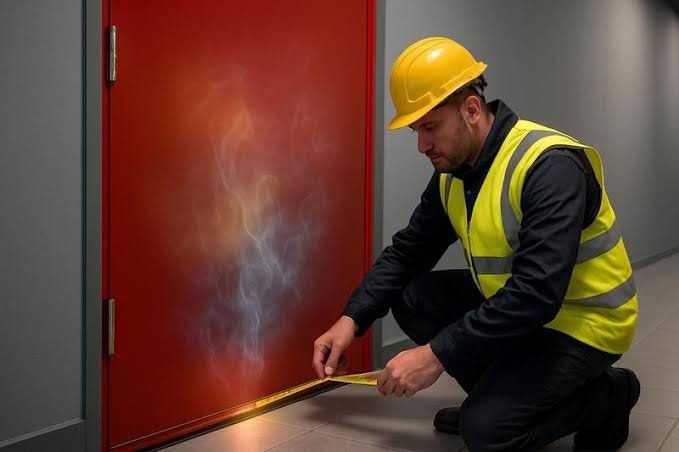
Measuring a frame accurately before ordering or fitting a door prevents the gap issues that cause so many fire doors to fail inspection later. Proper hardware selection matters enormously too since generic hinges or handles that lack the correct fire rating can undermine an otherwise properly installed door. Testing self closing mechanisms confirms a door actually shuts and latches fully every time rather than swinging partway closed and leaving a dangerous opening. Experienced Fire door installers in Walsall follow a checklist approach through each of these steps rather than treating installation as a quick job to rush through and move on from.
What Happens During A Typical Fire Door Installation Project
An initial survey identifies which doors throughout a building need replacement upgrading or simple adjustment to meet current standards. Measurements get taken precisely since even small discrepancies can create compliance issues once the door goes into its frame. Installation itself involves fitting the door hanging it correctly on properly rated hinges and sealing all edges with the right intumescent and smoke seal products. A final inspection confirms gaps sit within tolerance and that the door closes and latches correctly every single time before the job gets signed off as complete.
Why Do Commercial Properties Face Extra Scrutiny Around This Issue
Offices schools care homes and multi occupancy residential buildings all carry higher stakes when it comes to fire door compliance simply due to the number of people who might need to evacuate during an emergency. Regular fire risk assessments in these settings often flag doors that have degraded over time through wear damage or poorly executed repairs. Property managers responsible for these buildings frequently turn to professional installers to handle both new installations and the ongoing maintenance that keeps existing doors performing as intended year after year.
How Does Local Expertise Improve The Installation Process
Builders familiar with a specific region understand common building types local supply chains and the particular inspection standards that local fire authorities tend to emphasize during compliance checks. This local knowledge often speeds up projects considerably compared to bringing in an unfamiliar contractor from outside the area. Reliable Fire door installers in Walsall bring exactly this kind of regional familiarity which helps property owners navigate both the technical installation work and the surrounding compliance paperwork without unnecessary delays or confusion along the way.
What Should Property Owners Look For When Hiring An Installer
Proper certification and accreditation confirm an installer has been trained to current fire safety standards rather than simply picking up the trade informally. Insurance coverage protects a property owner if something goes wrong during the installation process itself. Portfolio examples and client references reveal how consistently a company delivers compliant work across different building types. A detailed written quote outlining materials labor and the specific fire rating being installed protects both parties from confusion or disputes once the work gets underway.
Final Thoughts On Fire Door Compliance
Fire doors exist to buy precious time during an emergency giving occupants a chance to evacuate safely before flames and smoke spread further through a building. That protection only holds up when installation gets handled correctly from the first measurement through the final inspection. Cutting corners here creates risks that stay invisible until the exact moment they matter most. Property owners who prioritize proper installation and ongoing maintenance protect far more than just a building. They protect the people inside it.
FAQS
How often should fire doors be inspected after installation?
Most guidance recommends checking fire doors at least every six months though high traffic commercial buildings often benefit from more frequent inspection.
Can an existing standard door be upgraded to meet fire rating standards?
Sometimes though full replacement often proves more reliable than attempting to retrofit fire resistance into a door not originally built for that purpose.
Who is legally responsible for fire door compliance in a rented property?
Landlords and property managers generally carry this responsibility though specific obligations can vary depending on the type of tenancy involved.
What signs indicate a fire door might not be performing correctly?
Visible gaps around the frame damaged seals or a door that doesn’t close and latch fully on its own are common warning signs.
Does fire door installation require specific certification?
Yes reputable installers typically hold recognized industry certification confirming their training meets current fire safety installation standards.